The African Report on Child Wellbeing 2026, published by the African Child Policy Forum, highlights the challenges faced by families in Ethiopia. The report notes that poverty, conflict, rising living costs, and inadequate public support are exacerbating the vulnerability of children. It estimates that only 11.5% of Ethiopians receive at least one social protection benefit, leaving most people without adequate protection against economic shocks.
The report identifies a significant gap in social protection coverage in Ethiopia. It notes that the number of primary-school-age children out of school in Ethiopia rose from 1.8 million in 2017 to 4.2 million in 2024. This increase is attributed to conflict and other factors that disrupt children's education. The report also highlights that about 60% of young children from poor families are not developmentally on track.
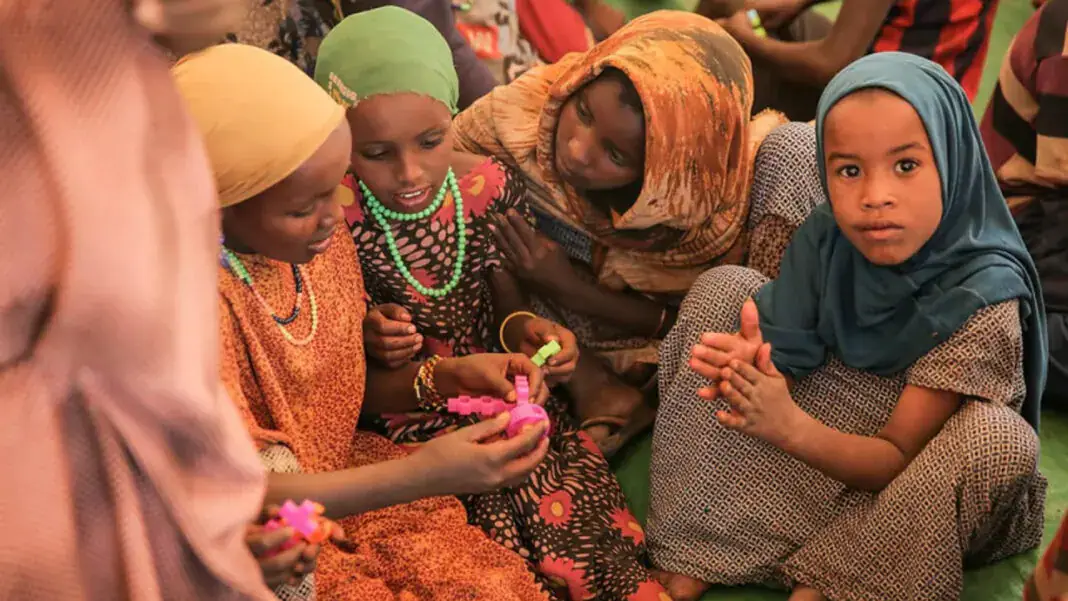
According to the report, economic hardship, conflict, and climate pressures are making it harder for families to provide children with basic necessities like food, clothing, education, and healthcare. Africa's average inflation rate reached 10.4%, and 56-65% of urban families in many countries depend on informal employment. In the five country case studies, about 40% of children lacked enough food, 43% lacked adequate clothing, and more than half lacked adequate healthcare.
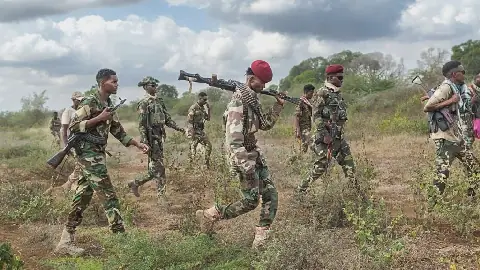
The report also highlights the impact of conflict and climate shocks on family vulnerability. Sub-Saharan Africa recorded 17.3 million new internal displacements in 2025, bringing the number of internally displaced people to 31.7 million. Additionally, 490 million children in 39 African countries face the highest climate risks, while 72 million African children are engaged in child labour.
The African Child Policy Forum urges governments to strengthen social protection for families affected by conflict and climate emergencies. The report recommends improving access to housing and basic services and increasing investment in family-focused support programmes. It also notes that laws and policies are ineffective without resources to ensure their implementation.
The report draws on continental data and case studies in Cameroon, Ghana, Morocco, Tanzania, and Zimbabwe. The research involved 200 families, 200 children aged 10 to 17, and 50 key informants from urban and rural communities. It estimates that 877 million Africans faced moderate or severe food insecurity in 2025, including 309 million people who were hungry.
The African Child Policy Forum emphasizes that resilience cannot replace public policy. The report calls on governments to expand family benefits and cash transfers, protect social protection budgets, and improve public spending accountability. It notes that African countries spend an average of 2.4% of GDP on social protection programmes, while 827 million people remain uncovered or inadequately covered.
Key points
- Only 11.5% of Ethiopians receive at least one social protection benefit.
- The number of primary-school-age children out of school in Ethiopia rose from 1.8 million in 2017 to 4.2 million in 2024.
- 877 million Africans faced moderate or severe food insecurity in 2025.
Reporting sources
- Ethiopia’s Child Protection Gap Exposed as 4.2 Million Remain Out of School · Capital Ethiopia