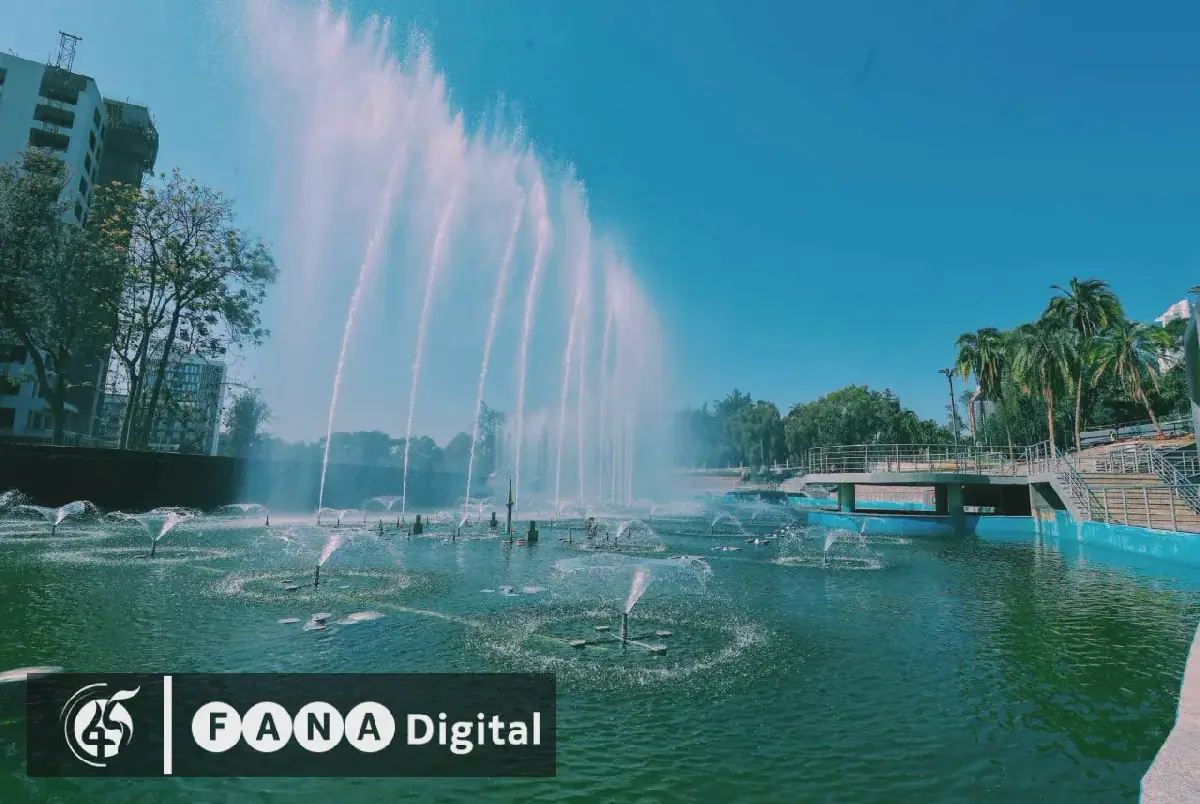
Addis Ababa, Ethiopia's capital city, is undergoing a significant transformation with a focus on modern urban development that combines infrastructure with natural beauty. The city's administration has prioritized the development of its riverfronts, aiming to create vibrant and eco-friendly spaces for residents. This initiative is part of a broader effort to enhance the city's aesthetic appeal and functionality. By harnessing its natural resources, Addis Ababa is setting a new standard for urban development in the region. The project involves the redevelopment of previously polluted and degraded areas along the rivers.
The riverfront development project, which recently saw the completion of a stretch along the Qecheneh River from Bamibis, is a notable example of this effort. The project has transformed neglected and polluted areas into green and recreational spaces. This transformation not only enhances the city's beauty but also provides residents with comfortable and natural environments. The development is part of a strategy to move away from traditional urban planning and embrace a more integrated approach that includes economic, social, and environmental benefits. The project showcases the city's commitment to sustainable development and environmental conservation.
Addis Ababa's riverfront development is not just about beautification; it also aims to create economic opportunities and improve the quality of life for its residents. By developing its riverfronts, the city is creating new spaces for leisure, work, and social interaction. These areas are expected to become hubs for tourism, commerce, and investment, further solidifying Addis Ababa's status as a diplomatic and tourism center in Africa. The project has the potential to increase the city's appeal to both locals and international visitors, providing a unique blend of natural beauty and urban functionality.
The transformation of Addis Ababa's riverfronts is also expected to have a positive impact on the local economy. The creation of new recreational and commercial spaces is likely to generate employment opportunities and stimulate economic growth. Local businesses and service providers are expected to benefit from the increased foot traffic and investment in the area. Furthermore, the development of the riverfronts is a step towards preserving the city's natural resources and mitigating the effects of environmental degradation. By protecting and enhancing its natural environment, Addis Ababa is ensuring a healthier and more sustainable future for its residents.
The success of Addis Ababa's riverfront development project depends on the continued care and management of these new spaces. The city's administration will need to work closely with the local community and stakeholders to ensure that the areas remain clean, safe, and accessible. This will require a coordinated effort to maintain the infrastructure, manage waste, and promote responsible use of the riverfronts. By engaging with residents and visitors, the city can foster a sense of ownership and responsibility for these new public spaces.
Addis Ababa's riverfront development project serves as a model for urban development in other cities. By prioritizing sustainability, environmental conservation, and community engagement, the city is demonstrating a new approach to urban planning. The project's focus on integrating natural and built environments sets a precedent for future development initiatives. As the city continues to grow and evolve, its riverfronts are likely to play an increasingly important role in shaping its identity and character.
In conclusion, Addis Ababa's riverfront development project is a significant step towards creating a more sustainable, beautiful, and functional urban environment. The project's impact will be felt for generations to come, providing a lasting legacy for the city's residents and visitors. With its focus on environmental conservation, economic development, and community engagement, the project is a testament to the city's commitment to building a better future for all.
Key points
- Addis Ababa's riverfront development project combines urban development with environmental conservation.