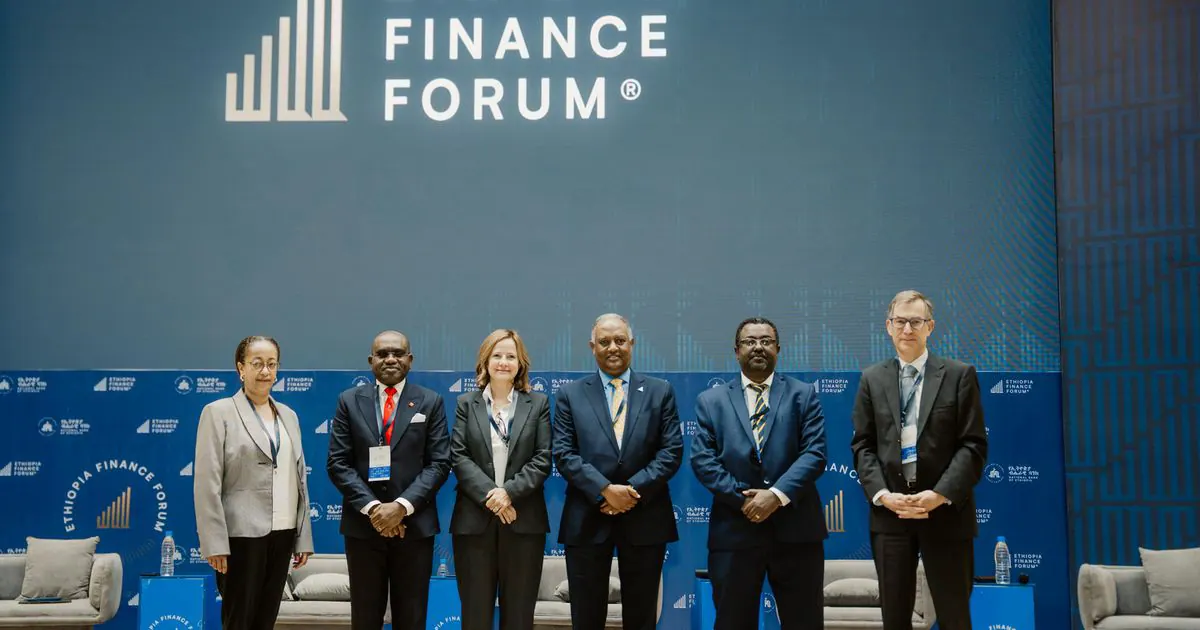
The National Bank of Ethiopia (NBE) is currently reviewing two formal applications for 100-percent foreign-owned greenfield subsidiaries, according to Frezer Ayalew, NBE Supervision Director. Speaking at the Ethiopian Finance Forum (EFF), Ayalew announced that several more foreign banks are actively conducting research, indicating strong interests of international capital in Ethiopia's macroeconomic stabilization. This development is seen as a powerful indicator of confidence in Ethiopia's ongoing macroeconomic reforms.
The dual applications under review represent the active deployment of capital under the historic Banking Business Proclamation No. 1360/2025. By opting for the greenfield subsidiary model, the applicant banks commit to establishing independent legal entities governed entirely by Ethiopian corporate law. This pathway demands substantial upfront foreign exchange commitments, with each institution required to inwardly remit a minimum paid-up capital of five billion Birr.
The modernized regulatory framework provides four distinct entry modalities for global lenders evaluating the market. Beyond establishing a wholly owned subsidiary, strategic foreign investors can opt to open a direct branch of their parent bank, provided the branch operates strictly as either a deposit-taking or non-deposit-taking entity. This allows foreign banks to choose the most suitable entry model for their operations in Ethiopia.
Alternatively, foreign institutions can pursue equity acquisitions, buying up to a 40 percent stake in an existing domestic bank. The total aggregate foreign ownership in any single local bank is strictly capped at 49 percent. This regulatory framework aims to balance the entry of foreign capital with the need to maintain domestic control and stability in the banking sector.
Foreign banks can also establish representative offices to manage liaison and research activities without engaging in direct commercial banking. This option allows foreign institutions to explore the Ethiopian market and build relationships with local partners before deciding on a more substantial investment.
The opening of Ethiopia's banking sector to foreign investors is seen as a significant step in the country's economic development. By attracting foreign capital and expertise, the government aims to enhance the efficiency and competitiveness of the domestic banking sector, ultimately benefiting the broader economy.
The review of the first two greenfield subsidiary applications marks a major milestone in Ethiopia's efforts to integrate into the global economy. With the country's macroeconomic reforms gaining traction, the stage is set for increased foreign investment in the banking sector, which is expected to have a positive impact on economic growth and development.
Key points
- Ethiopia's central bank is reviewing two applications for 100-percent foreign-owned greenfield subsidiaries.
- The modernized regulatory framework provides four distinct entry modalities for foreign banks.
- The minimum paid-up capital required for a greenfield subsidiary is five billion Birr.