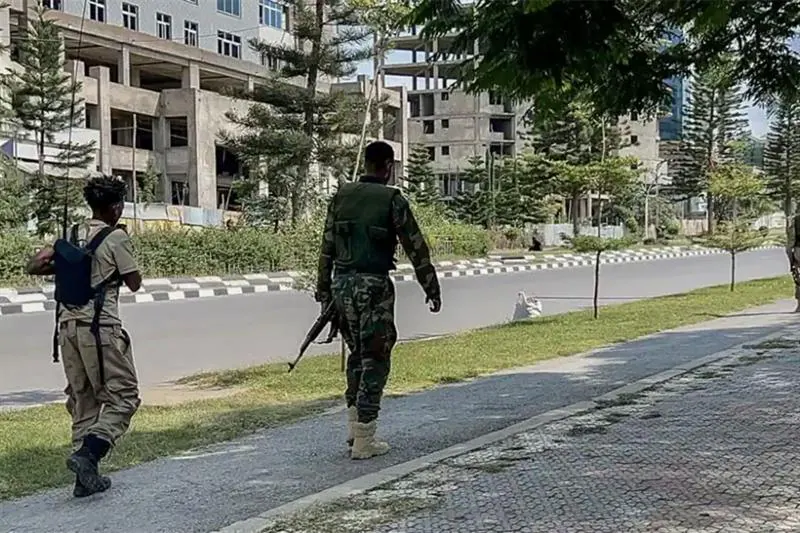
The conflict in northern Ethiopia has escalated, with fighting spreading to the Afar and Amhara regions. Tigrayan rebels seized airports in the region and clashed with federal forces in neighbouring Afar. The fighting has resulted in the suspension of flights to four airports, including Mekelle, Axum, Shire, and Lalibela. The situation has raised concerns over the stability of transport routes connecting landlocked Ethiopia to its main maritime gateway in Djibouti.
The Afar region's strategic importance extends beyond its border with Tigray, as it lies along major transport links between Ethiopia's central highlands and Djibouti. Developments in the region are significant for the movement of imports, exports, and supplies within Ethiopia. The region's administrative zones two and four have been affected, with Tigrayan forces reportedly entering these areas. The territorial claims could not be independently verified, but the situation has raised concerns over the potential disruption of trade routes.
The conflict-monitoring organization, the Armed Conflict Location & Event Data Project (ACLED), recorded drone strikes in Alamata and fighting in areas along the Tigray-Afar border on 22 September. Humanitarian workers also reported clashes around Abala and Erebti. The escalation has extended into neighbouring Amhara, with fighting reported along the Kobo-Tumuga and Zata-Dinqa-Sekota axes. The situation is making the conflict harder to contain, with airstrikes, communications disruptions, and political divisions exacerbating the crisis.
The trade routes through Afar are crucial for Ethiopia's economy, with the Addis Ababa-Djibouti corridor carrying more than 95 percent of Ethiopia's import and export trade by volume. The World Bank estimates that the corridor handles approximately 16.5 million tonnes of traffic annually, with the railway carrying around 1.2-1.6 million tonnes annually. Any disruption to these trade routes could delay deliveries and increase transport costs, with consequences extending beyond the immediate battle zones.
The situation on the ground is uncertain, with reports of fighting and internet disruption raising concerns about civilians' ability to communicate and obtain reliable information. Internet monitor NetBlocks reported connectivity disruption in northern Ethiopia, and residents have resorted to panic buying in Tigray, stocking up on essentials amid fears of renewed shortages. The United Nations, France, and the European Union have called for restraint and supported African Union mediation.
The escalation threatens the Pretoria Agreement signed in November 2022, which ended the previous two-year war. The latest fighting also reflects changed alliances, with the TPLF and an Amhara Fano movement announcing a coalition this month. The situation is being closely watched by the international community, with concerns over the potential humanitarian and economic consequences of the conflict.
The conflict has resulted in a significant humanitarian crisis, with civilians facing growing uncertainty and disruption. The international community is calling for restraint and an end to the violence, with the African Union playing a key role in mediation efforts. The situation remains fluid and uncertain, with concerns over the potential for further escalation and the impact on the region.
Key points
- The conflict in northern Ethiopia has spread to the Afar and Amhara regions, threatening trade routes to Djibouti.
- The Afar region's strategic importance extends beyond its border with Tigray, as it lies along major transport links between Ethiopia's central highlands and Djibouti.
- The escalation threatens the Pretoria Agreement signed in November 2022, which ended the previous two-year war.