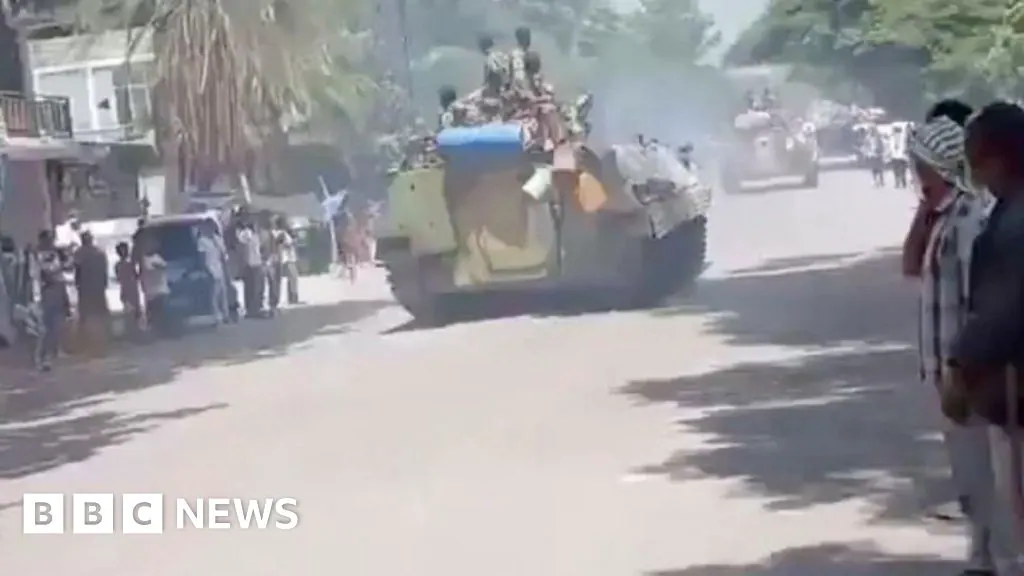
Ethiopia and Eritrea have cut diplomatic ties, escalating tensions between the two nations. The decision comes as renewed fighting in northern Ethiopia raises concerns of a broader regional conflict. Ethiopia announced it was closing its embassy in Eritrea's capital, Asmara, and ordered 10 Eritrean diplomats to leave within 48 hours, citing national security threats. Eritrea responded by severing diplomatic relations, stating it had no choice but to reciprocate.
The diplomatic confrontation follows a sharp deterioration in relations between the neighbors, with Ethiopia accusing Eritrea of supporting a new rebel alliance. Eritrea has repeatedly denied these allegations. The Eritrean foreign ministry described Ethiopia's decision to expel its ambassador as "astounding" and warned of "negative corollaries." The move marks a significant reversal from 2018, when Ethiopian Prime Minister Abiy Ahmed restored relations with Eritrea after two decades of hostility.
The conflict in northern Ethiopia involves Ethiopian federal forces battling fighters from the Tigray People's Liberation Front (TPLF) and its allies across parts of Tigray, Afar, and Amhara. Ethiopia has also expelled an Egyptian diplomat, giving him 48 hours to leave the country. Egypt responded by ordering an Ethiopian embassy official to leave within the same period. Relations between Ethiopia and Egypt have been strained due to Ethiopia's Grand Ethiopian Renaissance Dam (GERD) on the Blue Nile.
The African Union has urged Ethiopia, Eritrea, and Egypt to exercise restraint and resolve their differences through diplomatic channels. The UN has warned that the deteriorating security situation is severely disrupting humanitarian work in northern Ethiopia. UN spokesman Stéphane Dujarric stated that drone activity and air strikes are putting civilians, vital infrastructure, and aid operations at risk.
The TPLF joined six other armed movements to form an alliance aiming to remove Prime Minister Abiy Ahmed's government from power. A pro-government militia commander alleged that Eritrean soldiers were involved in the fighting, but this has not been independently verified. Eritrea's Information Minister Yemane Gebremeskel denied involvement in the conflict, suggesting that Ethiopia's governing party was blaming neighboring countries to divert attention from internal issues.
The conflict has resulted in significant humanitarian concerns, with tens of thousands of people estimated to have fled their homes in Afar. Both the Ethiopian government and the TPLF accuse each other of starting the latest hostilities. The African Union mediator previously estimated that around 600,000 people died during the 2020-2022 Tigray war. Federal forces and their allies appear to have made gains in southern Tigray and are advancing towards Mekelle, the regional capital.
The situation remains volatile, with the UN calling for all sides to guarantee safe and unhindered access to people in need. The international community is watching closely, as the conflict's escalation could have far-reaching consequences for the region. Key efforts are needed to address the humanitarian crisis and promote diplomatic resolution to the conflict.
Key points
- Ethiopia and Eritrea have cut diplomatic ties amid escalating conflict in northern Ethiopia.
- The conflict involves Ethiopian federal forces battling the Tigray People's Liberation Front (TPLF) and its allies.
- The situation has significant humanitarian implications, with tens of thousands displaced and concerns over access to aid.