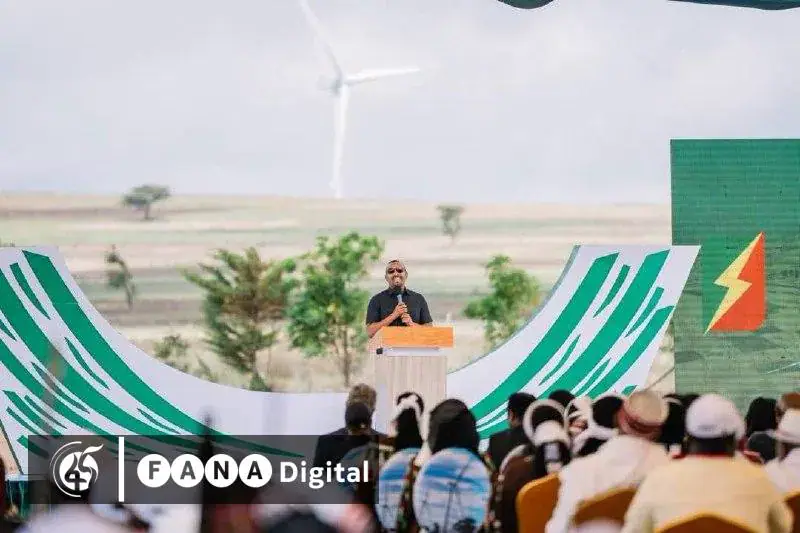
Ethiopia has made significant strides in expanding its renewable energy sector with the launch of the 100-megawatt Assela Wind Farm. The project is part of the country's efforts to harness its natural resources to generate clean and reliable energy. As one of the most populous countries in Africa, Ethiopia faces significant challenges in providing energy access to its over 130 million citizens, with many rural communities relying on wood and charcoal for their daily needs.
The Assela Wind Farm is a crucial component of Ethiopia's strategy to reduce its dependence on fossil fuels and promote sustainable energy development. The project follows the successful completion of other wind farm initiatives, including the Ashegoda, Adama 1 and 2, and Aysha 1 wind farms. These projects have helped Ethiopia establish itself as a leader in renewable energy in Africa. According to Prime Minister Abiy Ahmed, the Assela Wind Farm is expected to be profitable within two years and will not burden future generations with debt.
The Assela Wind Farm is expected to play a vital role in supporting the growth of Ethiopia's industrial sector, including the expansion of industrial parks and factories. The project will provide a reliable source of energy, enabling businesses to operate efficiently and create new job opportunities. Furthermore, the wind farm will help reduce Ethiopia's reliance on imported fossil fuels, which are subject to volatile price fluctuations. This will have a positive impact on the country's economy and help mitigate the effects of climate change.
Ethiopia's commitment to renewable energy has earned it international recognition for its efforts to combat climate change. The country has pledged to reduce its greenhouse gas emissions and has made significant progress in promoting sustainable development. The Assela Wind Farm is a testament to Ethiopia's dedication to harnessing its natural resources to drive economic growth and improve the lives of its citizens.
The Assela Wind Farm has the potential to make a significant impact on Ethiopia's economy and environment. The project is expected to attract investment, create new job opportunities, and promote economic growth. Additionally, the wind farm will help reduce the country's carbon footprint and contribute to a cleaner and healthier environment. As one of the largest wind farms in Africa, the Assela Wind Farm is a significant milestone in Ethiopia's journey towards sustainable energy development.
Ethiopia's renewable energy sector has received significant attention from international investors, with the country seeking to capitalize on its natural resources to drive economic growth. The Assela Wind Farm is part of a broader strategy to promote investment in the energy sector and develop the country's infrastructure. With its abundant natural resources and commitment to sustainable development, Ethiopia is well-positioned to become a major player in the global renewable energy market.
The launch of the Assela Wind Farm marks a significant milestone in Ethiopia's efforts to promote sustainable energy development and reduce its reliance on fossil fuels. The project is expected to have a positive impact on the country's economy, environment, and citizens, and serves as a model for other countries in the region. As Ethiopia continues to invest in renewable energy, it is likely to play an increasingly important role in shaping the future of sustainable development in Africa.
Key points
- The Assela Wind Farm has a 100-megawatt capacity and is expected to be profitable within two years.
Reporting sources
- ለትውልድ ምንዳ የምናወርስበት የአሰላ የንፋስ ኃይል ማመንጫ · Fana Broadcasting Corporate