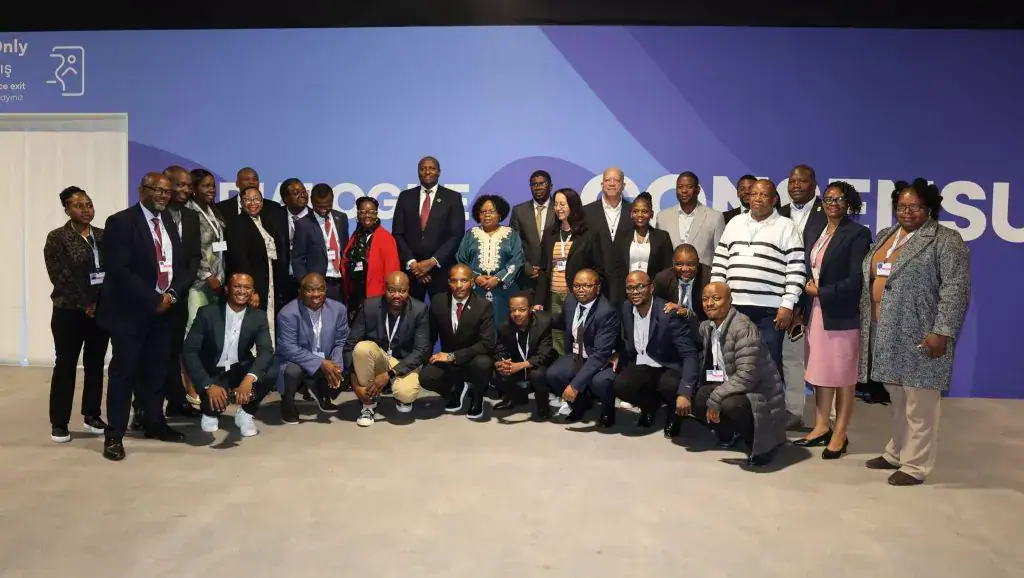
At 15 years old, Hlelolwenkhosi Nsibandze from Eswatini has made a significant impact at the African Group of Negotiators meeting on the sidelines of COP31 in Antalya, Türkiye. He emphasized that hungry children cannot be expected to become the leaders of tomorrow. Nsibandze drew a direct connection between climate change, food insecurity, and children's ability to develop and fulfill their potential. His address was a result of a special invitation from the AGN chair, making him the first child delegate to be invited to address the usually closed meeting.
Nsibandze, a pupil of Evelyn Baring High School, used the platform to call for children to be included in climate decision-making processes. He insisted that policies affecting them should not be developed without their participation. In an interview with TRT News, he highlighted hunger and malnutrition as serious challenges in Eswatini, stating that more than half of the country's children were either poor or malnourished. He also pointed to the effects of extreme heat and changing weather patterns on agriculture.
Nsibande explained that farmers in Eswatini were struggling to understand and adapt to changing seasons. He mentioned that heatwaves had struck the whole country for about two weeks. He added that limited awareness of climate change among farmers was compounding the problem. A neighbouring farmer had considered abandoning farming due to the effects of changing climatic conditions. Nsibande challenged world leaders to account for commitments made at previous climate conferences.
Nsibande questioned whether promises had translated into meaningful assistance for smaller African countries such as Eswatini. He asked the AGN chair what commitments from the previous five COP meetings had been fulfilled. He noted that the impact of international climate action was not being felt equally across African countries. Nsibande also raised concern about the limited number of African countries with policies specifically addressing child hunger and malnutrition.
Nsibande's research identified 23 countries with such policies, and the AGN chair expressed a desire to increase that number to at least 35 by the next COP. The young advocate's participation included engagements with senior continental leaders, including Mozambique President Daniel Chapo, Ethiopian Prime Minister Abiy Ahmed Ali, and United Nations Economic Commission for Africa Executive Secretary Claver Gatete. Through his participation, Nsibande sought to ensure that climate discussions recognized the everyday realities of children affected by hunger, poverty, and climate-related challenges.
Nsibande's journey to COP31 followed an official send-off in Eswatini on November 6, where Deputy Prime Minister Thuli Dladla challenged him to carry the hopes and concerns of children across the country and the region to the international platform. By the end of his first six days, Nsibande had moved from being a young delegate observing a global conference to becoming a voice heard in high-level African climate discussions. He is also World Vision Eswatini ENOUGH Campaign ambassador.
Key points
- Eswatini's Hlelolwenkhosi Nsibandze calls for children's nutrition to be prioritized in climate action at COP31.
- Nsibandze highlights the challenges of hunger and malnutrition in Eswatini, where over half of the children are affected.
- The 15-year-old advocate urges world leaders to account for commitments made at previous climate conferences.
Reporting sources
- Hungry kids cannot be leaders – Hlelolwenkhosi · Swazi Observer