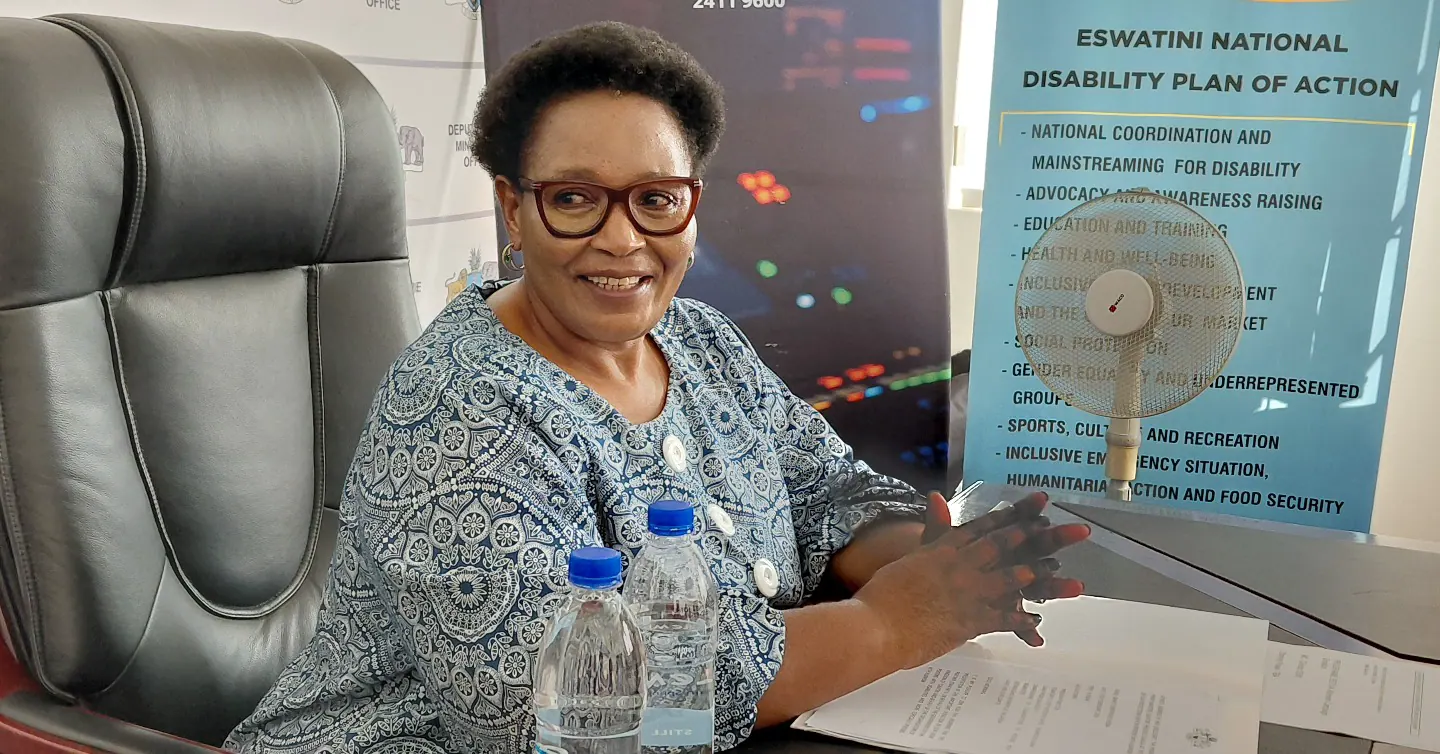
The Deputy Prime Minister's office in Eswatini has reported 4,478 teenage pregnancy cases between January and September. Manzini region recorded the highest number with 1,214 cases, followed by Hhohho with 1,182, Shiselweni with 1,061, and Lubombo with 1,021 cases. These statistics were presented by Department of Gender and Family Issues Gender Coordinator Nomzamo Dlamini during a regional conference on anti-teenage pregnancy.
Dlamini emphasized that preventing teenage pregnancy requires the involvement of the entire society, including parents, families, schools, communities, government, traditional and faith leaders, development partners, and young people. She noted that prevention should begin before a girl becomes pregnant, including open communication between parents and children, accurate information, life skills, responsible decision-making, and creating supportive environments.
According to Dlamini, UNFPA data has linked adolescent pregnancy to socioeconomic inequality, with early childbearing more common among young women from poorer households. Adolescents continue to face barriers to reproductive health information and services. UNICEF has identified teenage pregnancy as a major barrier to girls' education locally, which can disrupt a girl's education at a critical stage of her life.
However, Eswatini's National School Pregnancy Prevention and Management Policy allows pregnant learners and teenage mothers to remain in or return to school. Dlamini stressed that families and communities must strengthen efforts to prevent unintended pregnancies, while young mothers must be supported to continue their education and rebuild their futures.
A study conducted by One Billion Rising Eswatini and Journey of Hope for Girls and Women in Eswatini found that 93.3% of pregnancies among girls under 18 were unplanned, while minors accounted for 21% of all pregnancies recorded. The study also revealed that 72.5% of unintended pregnancies in urban areas were linked to intimate partner violence, while 20.7% of unintended pregnancies in rural areas resulted from rape or sexual violence.
One Billion Rising Africa Regional Coordinator for Eswatini Colani Hlatjwako stated that the country is facing a serious teenage pregnancy crisis. She called for intensified engagement with girls both in and out of school, but stressed that prevention programmes must also involve boys and young men. Hlatjwako emphasized that young people need meaningful conversations on sexual responsibility, consent, gender-based violence, and the consequences of sexual relationships involving minors.
Hlatjwako further called for a broader understanding of sexual violence, arguing that awareness campaigns should address coercion, manipulation, and other non-physical forms of abuse. She stressed that responsibility for preventing sexual violence and teenage pregnancy should not fall disproportionately on girls, saying the actions of adults and older partners must also form part of the national response.
Key points
- Eswatini recorded 4,478 teenage pregnancy cases between January and September.
- The country's National School Pregnancy Prevention and Management Policy allows pregnant learners and teenage mothers to remain in or return to school.
- A study found that 93.3% of pregnancies among girls under 18 in Eswatini were unplanned.