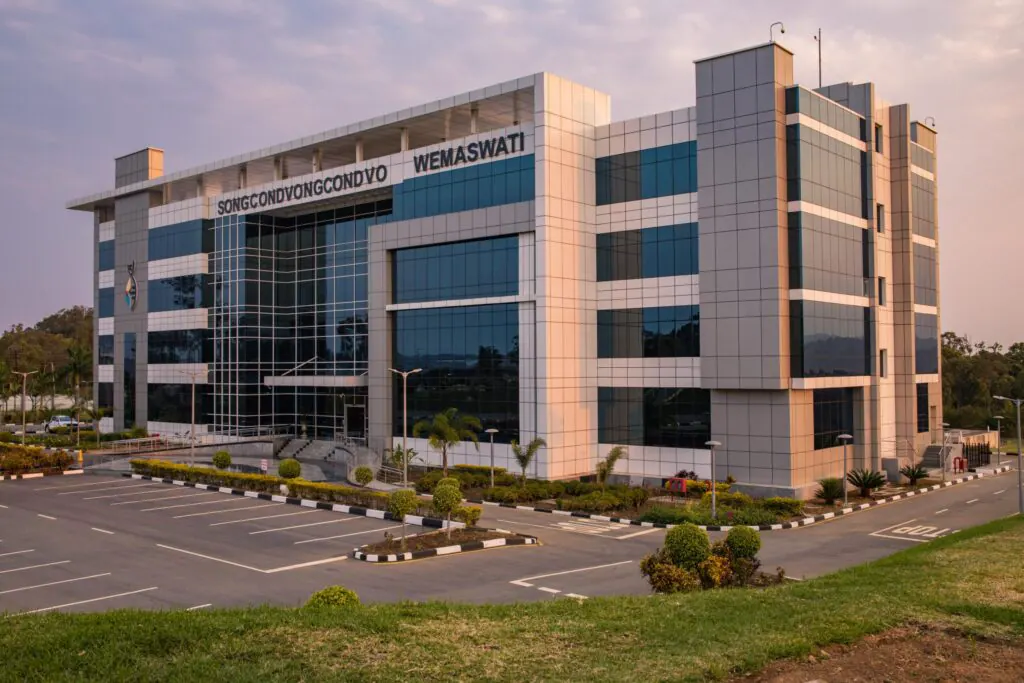
Insiders at the Royal Science and Technology Park (RSTP) in Eswatini have come forward to highlight years of governance failures that have led to repeated disruptions of the country's digital infrastructure. According to sources, the problems include a three-year absence of a substantive CEO, unresolved cybersecurity issues, and dwindling technical expertise. These factors have created vulnerabilities that have been exploited, leading to the latest disruption of government systems.
The lack of a substantive CEO has been a significant issue, with the previous CEO's contract not being renewed in July 2023. Since then, the park has had three acting CEOs, with the current one being Madoda Mdziniso. The recruitment process for a new CEO had identified Jeremiah Munembe as the preferred candidate, but his appointment was rejected by Cabinet, which prioritized local candidates for strategic leadership positions.
Sources at RSTP pointed out that security and networking infrastructure requires continuous licensing, maintenance, and specialist oversight. However, some of these requirements have not been met, despite their importance to the systems that government depends on. Specifically, Cisco licences used to protect and operate government networks have lapsed, and warnings about the need to maintain these systems have been ignored.
The consequences of these governance failures have been severe, with government systems experiencing prolonged disruptions affecting services such as revenue collection, vehicle registration, and tender processing. Insiders warned that the resulting weaknesses exposed government infrastructure to increasingly serious cyber risks, including the threat of ransomware. Although the latest incident is not a ransomware attack, according to RSTP Senior Communications Manager Senzo Malaza, the deeper question remains: why critical government infrastructure has repeatedly reached a point where serious failures can occur.
Insiders argue that the answer lies largely in how RSTP has been governed, funded, and technically managed. They point to a dangerous gap between the specialised technology entrusted to the institution and the technical capacity available within its present management structure. The acting CEO and CFO, who constitute the institution's senior management, are not technical specialists in the systems at the centre of the crisis.
The lack of technical expertise has been a long-standing issue, with RSTP losing much of the expertise that previously maintained its infrastructure following the departure of trained engineers and technical partners. Engineers from Eswatini Posts and Telecommunications Corporation (EPTC) and MTN Eswatini were brought in to assist, but their intervention was constrained by limited knowledge of RSTP's complete system architecture.
The crisis at RSTP highlights the need for a broader examination of the institution and its governance structure. Insiders argue that many of the same vulnerabilities that led to previous disruptions remain unaddressed. The institution's ability to manage and protect critical government infrastructure is at risk, and urgent action is needed to address the governance failures and technical shortcomings that have led to this point.
Key points
- The Royal Science and Technology Park has been without a substantive CEO for over three years, leading to a leadership vacuum and technical capacity gaps.
- Unresolved cybersecurity issues and lapsed Cisco licences have exposed government infrastructure to increasingly serious cyber risks.
- The institution's governance failures and technical shortcomings have led to repeated disruptions of government digital infrastructure.