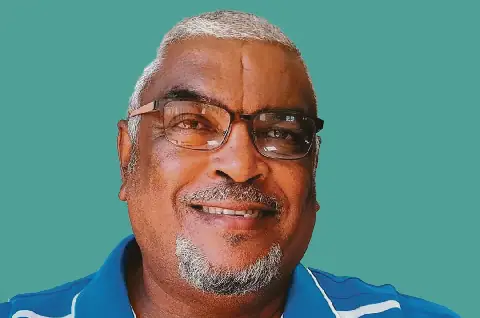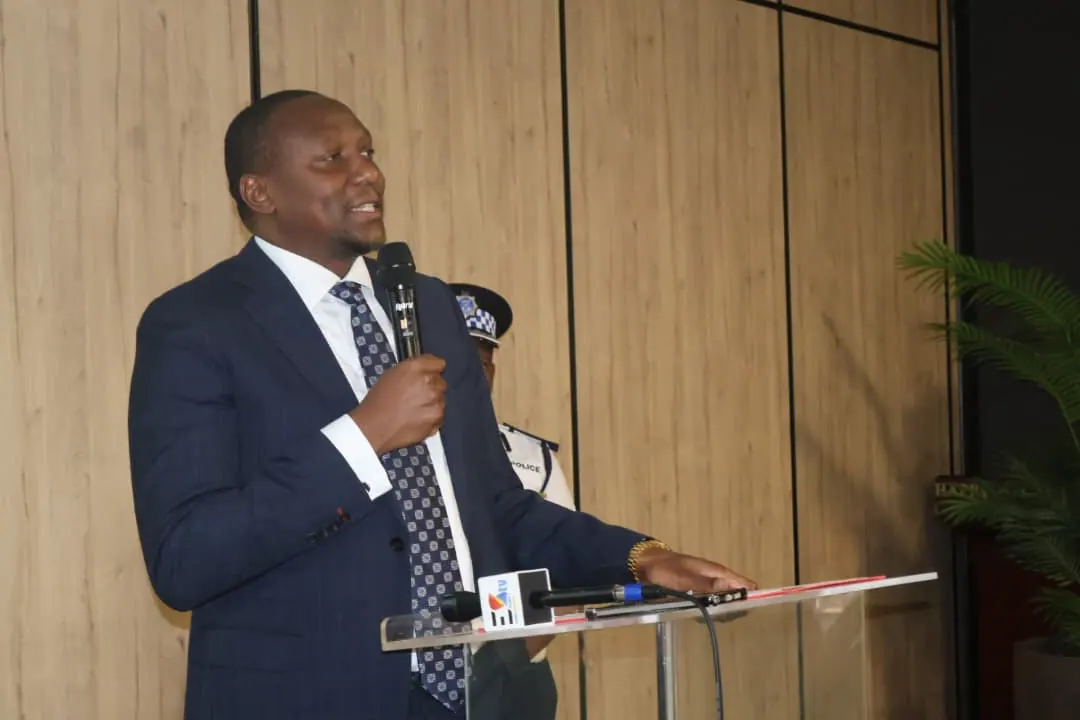
Prime Minister Russell Mmiso Dlamini of Eswatini has expressed his disapproval of the current parliamentary proceedings in the country. According to the Prime Minister, what passes for debate in Parliament is not actually a debate, but rather lawmakers shouting and making personal attacks. This criticism was made during the Kingdom Leadership and National Transformation meeting at the Happy Valley Hotel, an event hosted by Campus Crusade for Christ Eswatini.
The Prime Minister emphasized that genuine legislative debate should focus on discussing constructive ideas aimed at national development and nation-building. He noted that the current environment lacks the necessary maturity and civility required to serve the country effectively. Dlamini called for a change, stating that what is needed is civilization, and that parliamentarians must understand their core purpose and prioritize the nation's greater good over self-serving interests.
During his address, Prime Minister Dlamini issued a stern call to action, demanding the lawful disruption of inefficient systems to drive national economic transformation. He stated that while no policy framework is beyond improvement, current governance structures provide a solid base for progress, requiring principles to be translated from mere aspirations into disciplined action. The Prime Minister emphasized that Eswatini is at a crucial crossroads, facing a choice between continuing to manage present limitations or summoning the courage, imagination, and discipline required to build a greater country.
Prime Minister Dlamini noted that Africa has long possessed extraordinary wealth, including land, minerals, energy resources, human capital, and markets. However, he stated that the continent's people have remained spectators to exploitation while looking abroad for solutions that lie within native hands. The Prime Minister asserted that this mindset must change, and that development cannot be imported indefinitely. He emphasized that foreign investment and international partnerships are necessary but must complement rather than supplant national effort.
The Prime Minister's address aligned with the royal mandate, highlighting instructions from His Majesty King Mswati III urging the country to think boldly about development, industrialization, and capital mobilization. Dlamini stated that national transformation begins in the mind and requires renewed national confidence, welcoming foreign technology and knowledge while building internal capacity to own, finance, and grow productive assets. He warned against relying on imported political or economic models, stating that history offers no assurance of their success.
Prime Minister Dlamini condemned perpetual consultation, personality recycling, and the degradation of public debate into insults, threats, and division. He stated that while a difference of opinion is healthy, contempt is not, and that national interest must override personal, political, and institutional ambitions. The Prime Minister warned that no national renewal can survive pervasive corruption, which consumes vital resources intended for education, health, infrastructure, and job creation.
The event also featured a keynote address by Senior Vice President of Campus Crusade International Professor Delanyo Adadevoh. Professor Adadevoh reflected on his previous visits to Eswatini in 1986 and 2002, including meeting His Majesty King Mswati III. He recommended that nations adopt generational plans rather than rely solely on standard three-to-five-year strategic plans, emphasizing the need for long-term vision in national development.
Key points
- The Prime Minister of Eswatini, Russell Mmiso Dlamini, criticizes parliamentary proceedings for lacking constructive debate and maturity among lawmakers.
- Dlamini calls for a change in the parliamentary environment, emphasizing the need for civilization and a focus on national development and nation-building.
- The Prime Minister demands the lawful disruption of inefficient systems to drive national economic transformation and warns against relying on imported political or economic models.