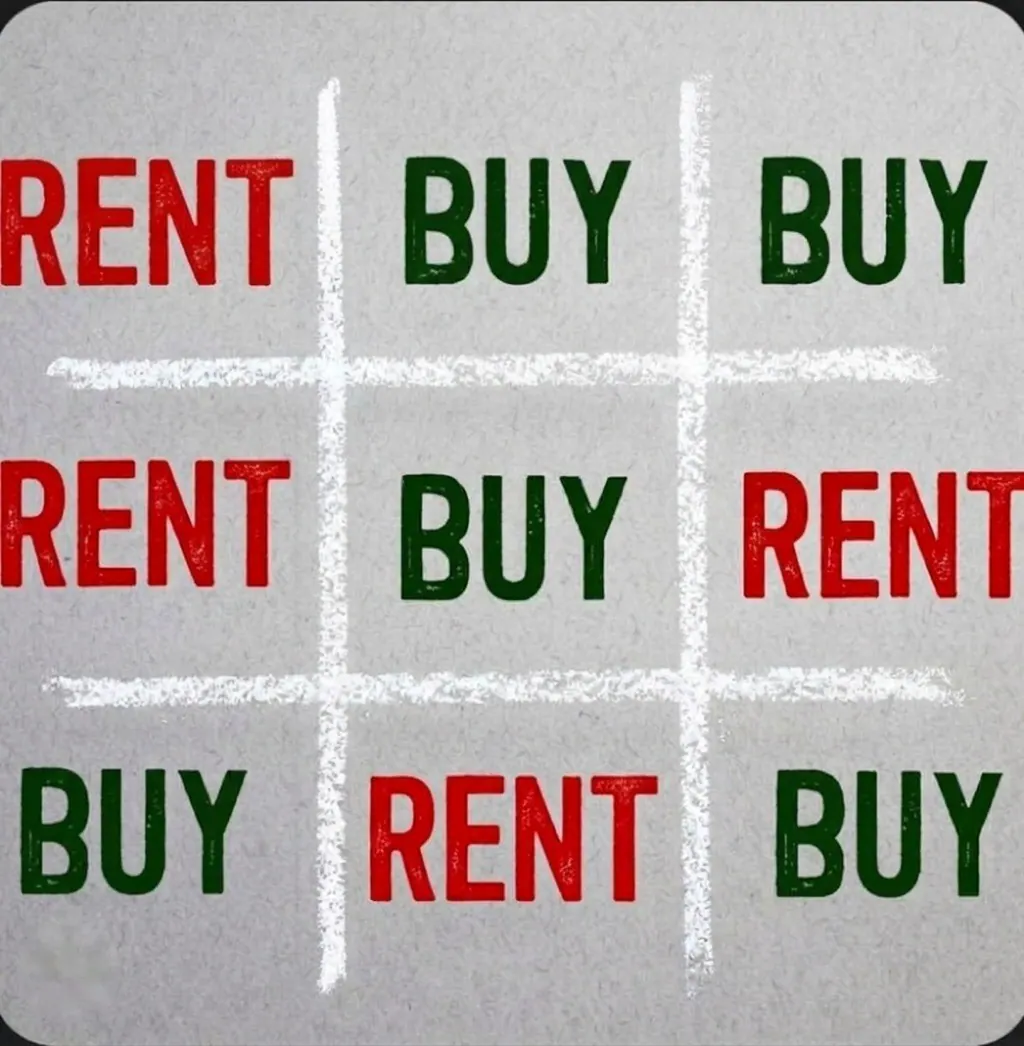
In Eswatini, individuals with a monthly budget of E5,000 for housing are faced with a crucial decision: whether to rent a home or use that amount towards owning a property. This dilemma highlights the trade-offs between two distinct financial paths. On one hand, E5,000 can secure a comfortable rental home in a desirable area. On the other hand, it can be part of a monthly payment towards buying a property through a rent-to-buy arrangement or a home loan.
However, having E5,000 available every month does not guarantee immediate access to a home loan. Buying a home typically involves a deposit, purchase price, interest rate, loan period, and additional costs such as insurance, rates, maintenance, and legal fees. As a result, that E5,000 would be part of a much larger financial commitment, requiring careful consideration of long-term implications. It is essential to understand that buying a home is a long-term investment, rather than an instant purchase.
The primary difference between renting and buying lies in what happens to one's money over time. When renting, individuals pay for the right to live in someone else's property. In contrast, part of a monthly home loan payment can go towards building equity in a property that will ultimately be owned. Nevertheless, buying may not be the better choice for everyone, as renting can make sense depending on individual circumstances.
For instance, renting might be suitable for those who already own a home elsewhere but have relocated for work or have unstable income. Some individuals might prefer not to take on the responsibility of maintaining a property. Additionally, renting while saving can be a viable strategy; if a suitable home can be found for less than E5,000, the difference can be used to build up savings for a future deposit or other financial goals.
On the other hand, buying a home may be a better option for those who have saved a reasonable deposit, plan to stay in the area for several years, and can comfortably afford the full monthly cost of owning a property. For some buyers, building a property portfolio is a significant goal, where one home can eventually generate rental income or grow in value over time.
Ultimately, when faced with a monthly housing budget of E5,000, the question is not simply whether renting or buying is better. Instead, individuals should consider which option makes sense for their current financial situation and long-term goals. It is crucial to understand what one is paying for, what can be realistically afforded, and what works best for individual circumstances.
By carefully evaluating these factors, Eswatini residents with a monthly budget of E5,000 can make informed decisions about their housing options. Whether choosing to rent or buy, the key is to select the path that aligns with one's financial goals and personal priorities, ensuring a secure and sustainable housing situation.
Key points
- E5,000 can be used for either renting or buying a home in Eswatini, but it is crucial to consider individual financial circumstances and long-term goals.