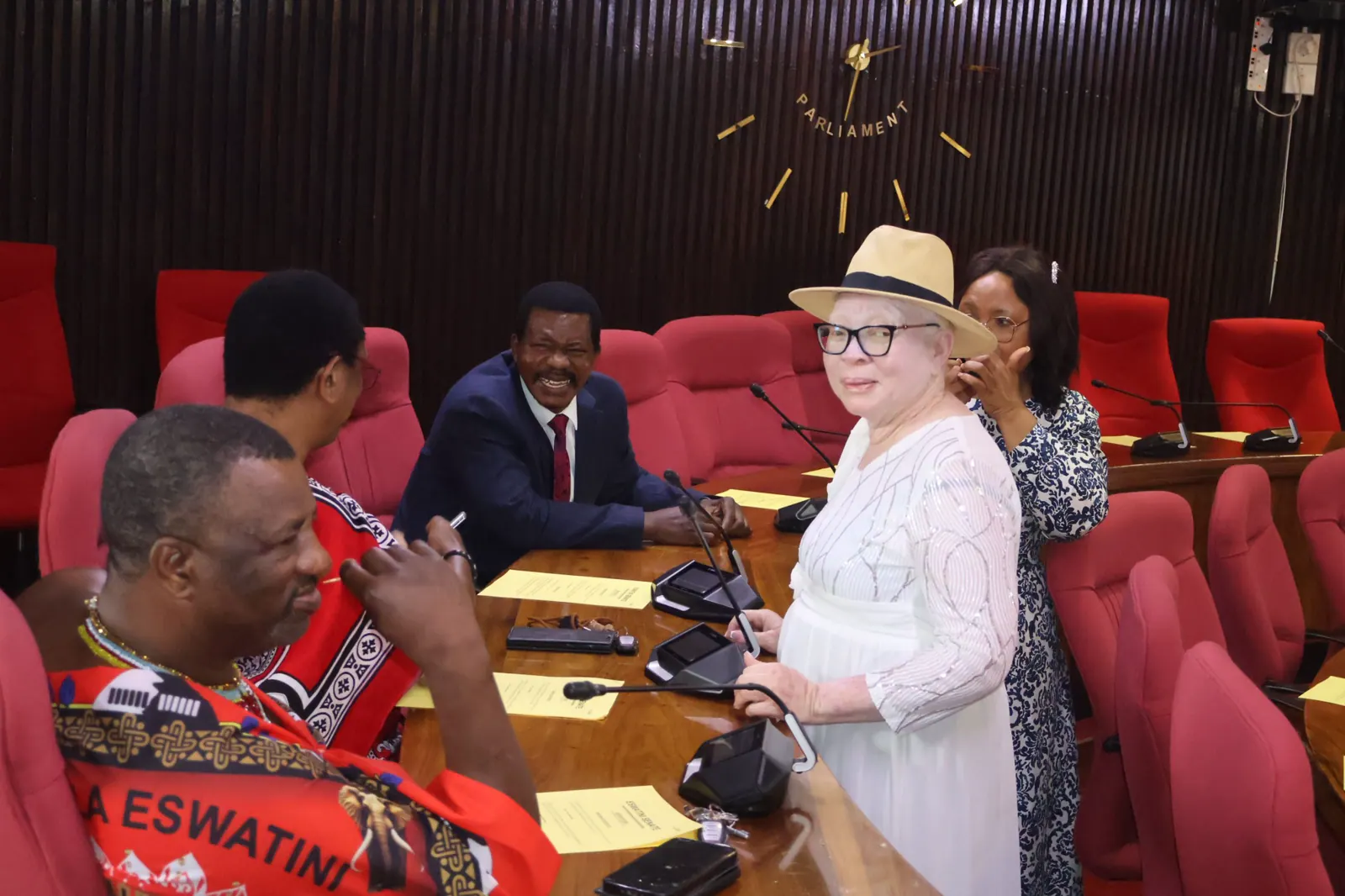
Members of Parliament in Eswatini have called for the E2.4 billion National Housing and Infrastructure Programme to be reserved for local contractors. The programme, which will be financed through a loan from the Development Bank of Southern Africa, aims to construct housing units and related projects. The MPs rejected the appointment of a foreign main contractor, instead suggesting that the project be divided among emaSwati-owned construction companies.
The MPs insisted that the project should create meaningful opportunities for small and medium-sized enterprises, rather than concentrating the work and financial benefits in the hands of a few companies. They argued that the project presents an opportunity to stimulate the local economy, create employment, and revive struggling construction companies. The legislators made these submissions during a session where the Minister for Finance, Neal Rijkenberg, unpacked the Development Bank of Southern Africa Loan Bill.
The Bill seeks to authorise the minister to raise a loan of up to E2.4 billion from the Development Bank of Southern Africa and provides for the financing of the National Housing and Infrastructure Programme. The programme excludes bulk infrastructure as stipulated in the financing agreement. Kubuta MP Masiphula Mamba called for assurances that the project would benefit local contractors, suppliers, and SMEs.
Mamba questioned whether the Eswatini Housing Board intended to award the construction work to a single contractor and requested a feasibility study to provide clarity on the areas selected for the project. He drew a comparison with an earlier feasibility study presented by the Deputy Prime Minister's Office, which identified Nkwene Inkhundla as having the highest levels of poverty in the country. Mamba also questioned whether the proposed housing programme would adequately address the housing needs of low-income communities.
Ngudzeni MP Charles Ndlovu questioned the timing of the proposed loan, arguing that the country should prioritise stalled community projects, including roads and infrastructure, before taking on additional debt. Ndlovu expressed concern that the E2.4 billion loan would increase the country's debt stock while communities continued to experience inadequate service delivery. He also questioned the intended market for the houses.
Sigwe MP David 'Cruiser' Ngcamphalala called for the involvement of the Construction Industry Council in the planning and implementation of the project, stressing that local businesses should be given an opportunity to participate. Mafutseni MP Sabelo Mtetwa supported the Bill but warned against appointing a main contractor, arguing that such an arrangement could create the perception that the project was designed to benefit a particular company at the expense of other emaSwati.
Several MPs, including Nkilongo MP Petros Sibandze and Lobamba Lomdzala MP Marwick Khumalo, also called for the removal of foreign main contractors, arguing that they were undermining the growth and survival of locals. The MPs raised concerns about the outflow of money from the country, citing reports that foreign companies controlled a significant share of the construction industry.
Key points
- Eswatini MPs demand that the E2.4 billion National Housing and Infrastructure Programme be reserved for local contractors.
- The programme aims to construct housing units and related projects, excluding bulk infrastructure.
- The MPs rejected the appointment of a foreign main contractor, citing concerns about the outflow of money from the country.