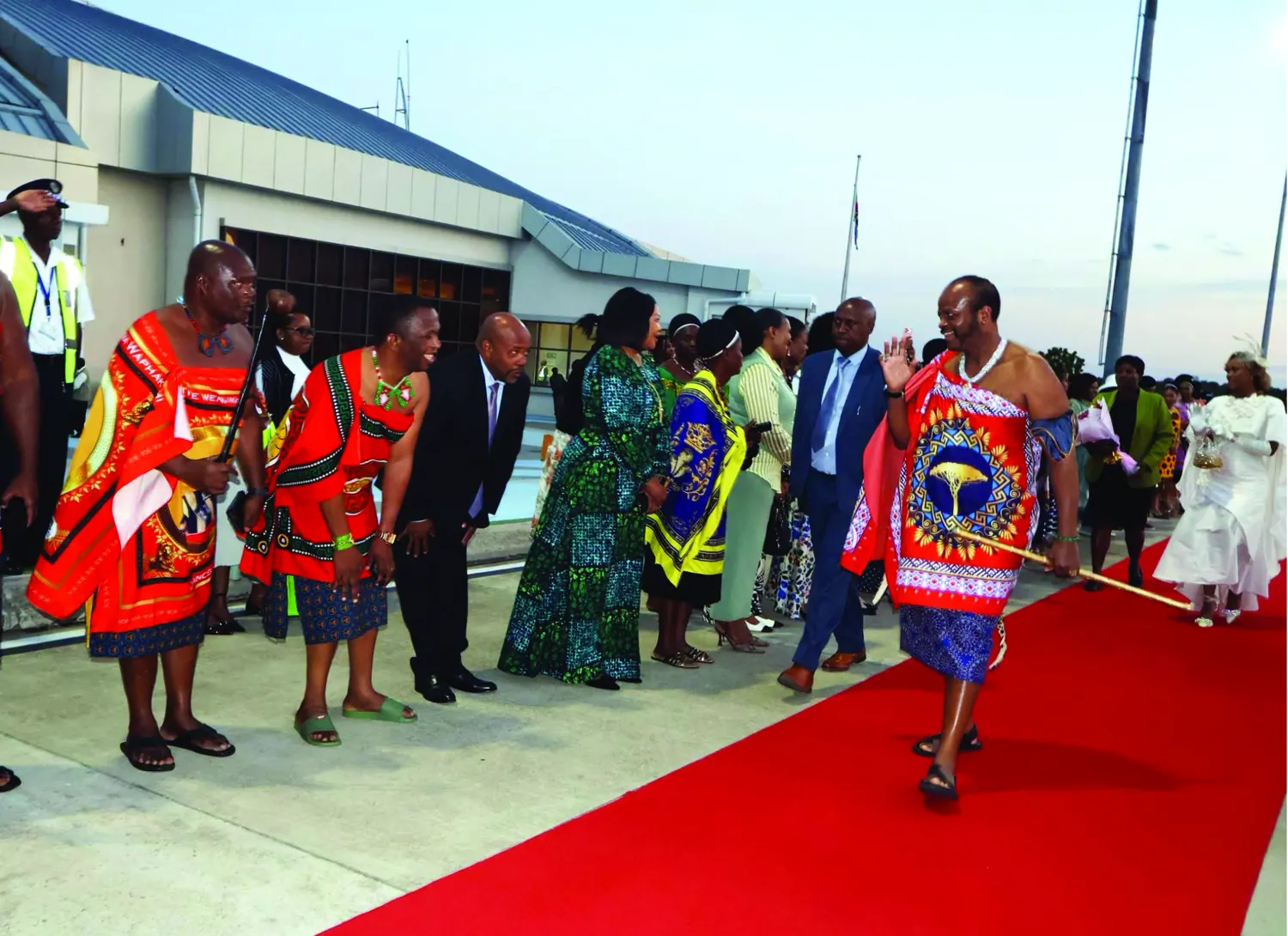
Eswatini and Lesotho are set to enhance their cooperation in trade, cultural exchange, and other areas of mutual interest. The two kingdoms have agreed to assess their progress annually, following discussions between their leaders. This development was announced by His Majesty King Mswati III after his visit to Lesotho, where he attended the Diamond Jubilee Independence celebrations. The king's visit aimed to strengthen the existing relationship between the two nations and identify practical avenues for cooperation.
The areas of cooperation between Eswatini and Lesotho will include trade and cultural exchange, among others. Progress will be reviewed annually to assess the milestones achieved. According to King Mswati III, this initiative will create opportunities for closer economic and cultural relations between the two kingdoms. Both countries share longstanding historical ties and are members of regional and continental organisations, including the Southern African Development Community (SADC), the African Union (AU), and the African Continental Free Trade Area (AfCFTA).
King Mswati III described his visit to Lesotho as successful, highlighting the peace and stability enjoyed by the Basotho people. He noted that the two countries have an opportunity to build on their existing relationship by identifying areas where cooperation could deliver tangible benefits. The king also emphasised the importance of cultural identity, citing Lesotho's use of the Jubilee celebrations to showcase its identity, culture, and aspirations for the future.
The visit also carried an element of reciprocity, as King Letsie III had previously joined Emaswati during Eswatini's 40/58 Ruby Jubilee celebrations. King Mswati III, who was accompanied by Inkhosikati LaNgangaza, described the visit as a way of returning the gesture. He commended Lesotho for its contribution to the political, economic, and social development of Southern Africa over the past 60 years.
Lesotho has played a significant role in regional integration, being one of the founding members of the Southern African Development Coordination Conference (SADCC) in 1980, which later became SADC in 1992. The country has also contributed to human capital development, particularly through academic institutions in the Roma Valley, which have produced ministers and senior civil servants who have contributed to the development of countries, including Eswatini and Botswana.
King Mswati III also highlighted Lesotho's contribution to regional development and economic cooperation, citing the Lesotho Highlands Water Project, soil and water conservation programmes, and the country's textile manufacturing sector as examples. Upon his return to Eswatini, the king was welcomed by Emakhosikati, Emazinyane, and members of the royal family, as well as Cabinet ministers, Members of Parliament, and members of various advisory councils.
The strengthened ties between Eswatini and Lesotho are expected to promote economic growth, cultural exchange, and cooperation between the two nations. The annual reviews will ensure that progress is tracked and areas for improvement are identified. The cooperation between the two kingdoms is seen as a positive step towards deeper regional integration and cooperation in Southern Africa.
Key points
- Eswatini and Lesotho agree to deepen cooperation in trade, culture, and other areas.
- The two kingdoms will assess their progress annually to identify areas for improvement.
- The strengthened ties are expected to promote economic growth, cultural exchange, and cooperation between Eswatini and Lesotho.