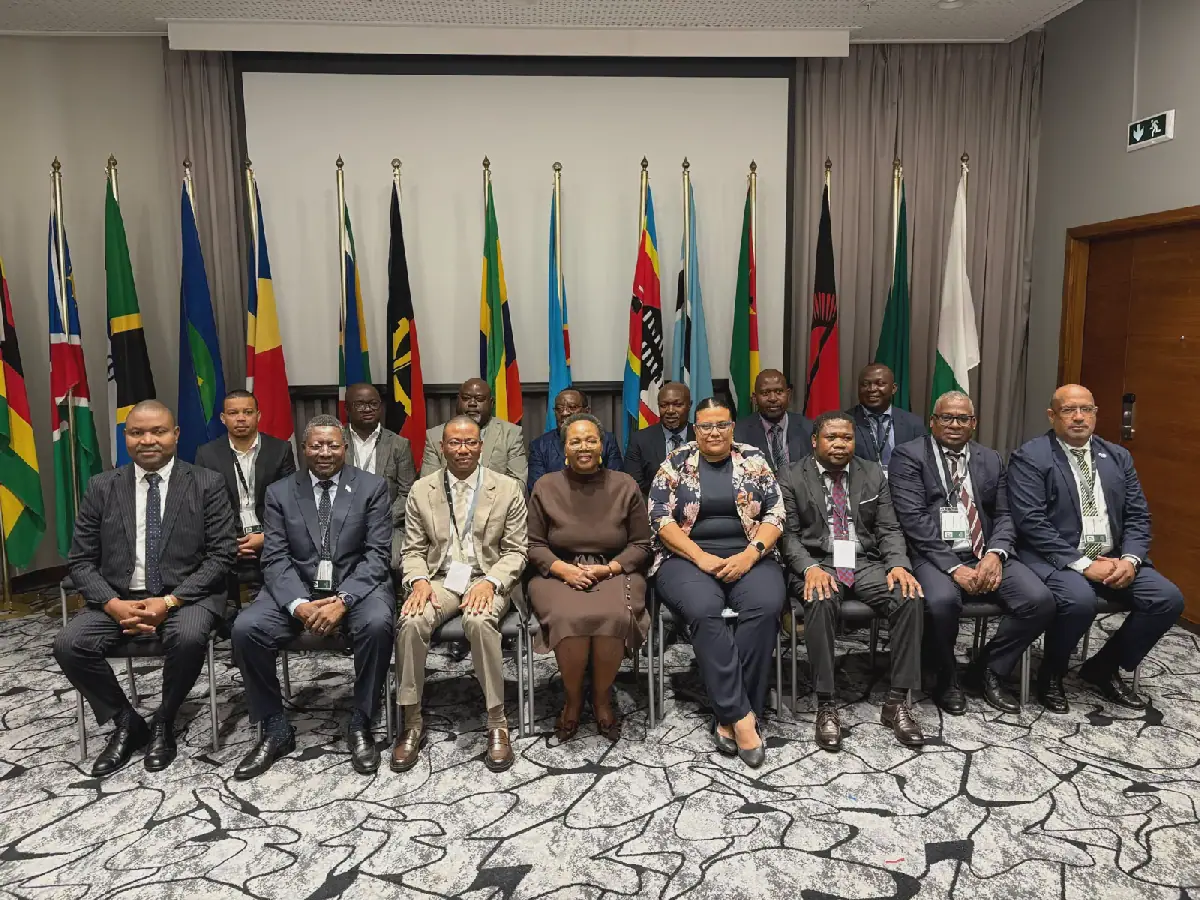
The Eswatini Electricity Company (EEC) has reaffirmed its commitment to developing a well-integrated, efficient, and sustainable regional electricity market as Eswatini hosts the 61st Southern African Power Pool (SAPP) Executive Committee Meeting. The meeting, held at Hilton Garden Inn, brings together chief executives and senior leaders of electricity utilities from across Southern Africa. EEC Acting Managing Director Mphumuzi Maziya emphasized the importance of regional integration in the electricity sector.
Maziya stated that the meeting provides an invaluable opportunity for member utilities to strengthen partnerships, share expertise, and develop collective solutions to industry challenges. The electricity sector is a critical driver of economic growth, industrialization, and social development in the region. The meeting brings together leaders and key decision-makers to deliberate on matters fundamental to the future of energy security, regional cooperation, and sustainable electricity development in Southern Africa.
Southern African countries face common challenges in the power sector, including generation constraints, transmission limitations, rising demand, and the need for large investments in new infrastructure. Regional interconnection allows countries to share surplus power, support each other during outages, and reduce the cost of maintaining reserve capacity. SAPP was established to coordinate the planning and operation of the regional power system and facilitate electricity trade among member utilities.
Through SAPP, member countries work together to plan generation and transmission projects, harmonize operating procedures, and trade power across borders. The Executive Committee, comprising chief executives of member utilities and participating institutions, guides policy, operations, and strategic direction for the organization. The 61st meeting in Eswatini will consider key issues affecting the regional power system, including system reliability, transmission capacity, power trading arrangements, and long-term energy planning.
Maziya encouraged delegates to exchange ideas and strengthen professional relationships during the meeting. He emphasized that platforms like SAPP provide opportunities to identify practical interventions that advance shared regional objectives. Eswatini is interconnected with neighboring countries, allowing for the sharing of surplus power and support during outages.
The meeting demonstrates a shared commitment to strengthening regional electricity cooperation, ensuring that collective energy resources are effectively harnessed for the benefit of the people. SAPP member utilities and participating institutions are represented at the meeting, showcasing their dedication to regional integration and cooperation in the electricity sector.
The 61st SAPP Executive Committee Meeting in Eswatini will contribute to the development of a more integrated regional market, addressing common challenges and promoting sustainable electricity development in Southern Africa. Key issues, such as system reliability and transmission capacity, will be discussed to advance shared regional objectives and ensure energy security.
Key points
- Eswatini Electricity Company reaffirms commitment to regional electricity market development at 61st SAPP meeting.
- Southern African countries face common challenges in the power sector, including generation constraints and transmission limitations.
- SAPP facilitates electricity trade among member utilities, promoting regional integration and cooperation in the electricity sector.
Reporting sources
- Southern Africa utilities confront mounting electricity challenges · swazidailynews.com