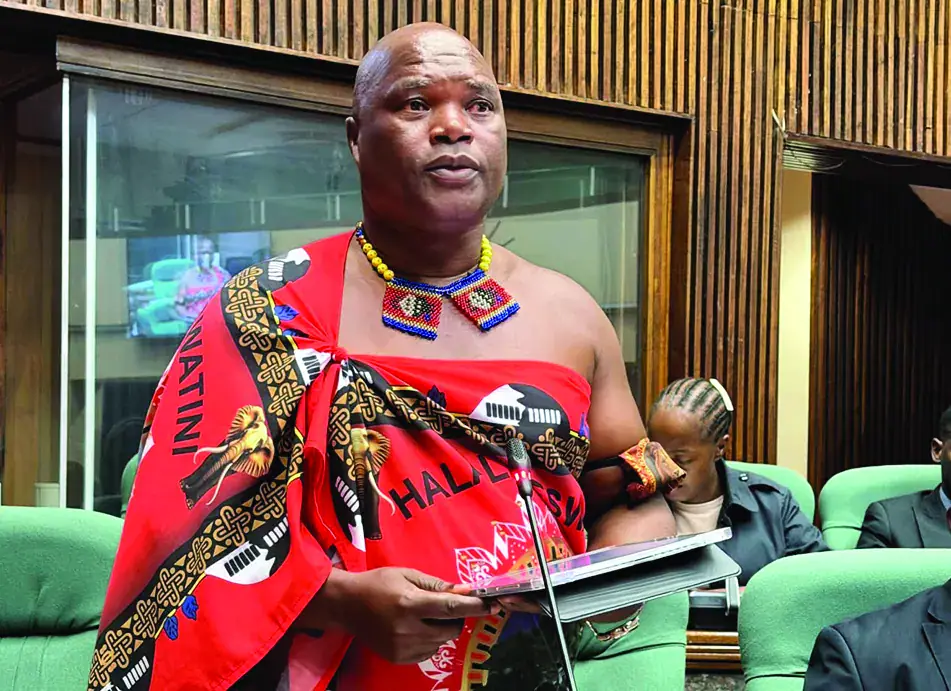
The Eswatini government has received 143 appeals from civil servants following the 2025 public service salary review. Public Service Minister Mabulala Maseko announced that a total of E160 million has been provisionally set aside to address the financial implications of successful appeals. This information was revealed during the ministry's second quarter report debate in Parliament. The minister emphasized that an independent consultant may be engaged to handle the appeals to ensure fairness and impartiality.
Minister Maseko explained that the provisional E160 million allocation was based on the number of appeals received during the 2016 salary review. However, the amount could be adjusted depending on the outcome and financial implications of the current appeals. The ministry is still processing appeals submitted before the August 31 deadline, including those received on the final day. This process is part of the government's efforts to address concerns raised by civil servants regarding their working conditions and salaries.
The salary review process is also being informed by engagements with public sector unions to understand the working conditions of civil servants. Minister Maseko stated that the ministry had visited workplaces under the ministries of health and education, together with the Swaziland National Association of Teachers (SNAT). During these visits, they observed that some employees were working under unfavourable conditions. Further visits to workplaces and engagements with ministers are planned to gain a better understanding of the challenges faced by public servants.
Minister Maseko highlighted discussions around Chapter E and various allowances, emphasizing that the government remains committed to working with public sector unions for the progress of the country. The government has also reduced its expenditure on overtime payments for immigration officers to E12 million following an agreement with the National Public Service and Allied Workers Union (NAPSAWU) to introduce a 25% allowance. This agreement has helped alleviate the financial burden on the government.
The reduction in overtime payments was a significant challenge for the ministry of home affairs, with some payments dating back to 2016. Minister Maseko explained that the overtime payments had placed a substantial financial burden on the government, which previously spent about E20 million on the payments. The new arrangement allows the government to use the savings to address other financial needs within the public service.
The government is also consulting on plans to give temporary teachers who have worked on contracts for more than five years permanent positions. Minister Maseko added that the ministry continues to fill vacant positions through the Civil Service Commission. Furthermore, the government has made efforts to increase its pension fund from E43 billion to E43.6 billion despite facing challenges. The minister expressed confidence that this increase will contribute towards improving the fund.
The government remains committed to addressing issues affecting public servants, including concerns surrounding the filling of vacant teaching posts. Minister Maseko emphasized the need for a fair and efficient process for handling appeals and addressing the challenges faced by civil servants. The government's efforts aim to promote peace and stability within the public service while ensuring that the needs of civil servants are addressed.
Key points
- The Eswatini government has set aside E160 million for successful salary review appeals.
- The government has reduced overtime payments for immigration officers to E12 million.
- Plans are underway to give temporary teachers who have worked for over five years permanent positions.