The Eswatini Electricity Company (EEC) has provided further clarification on its proposed expenditure, particularly on capital projects, information technology systems, and employee overtime, amid public scrutiny over its application for an electricity tariff increase. EEC's proposed capital investment of E183.4 million over the two-year tariff period aims to strengthen the company's operational support infrastructure, improve business systems, enhance cybersecurity, and ensure continuity of critical business operations. This investment is crucial as EEC continues to expand its customer base and manage increasingly complex electricity networks.
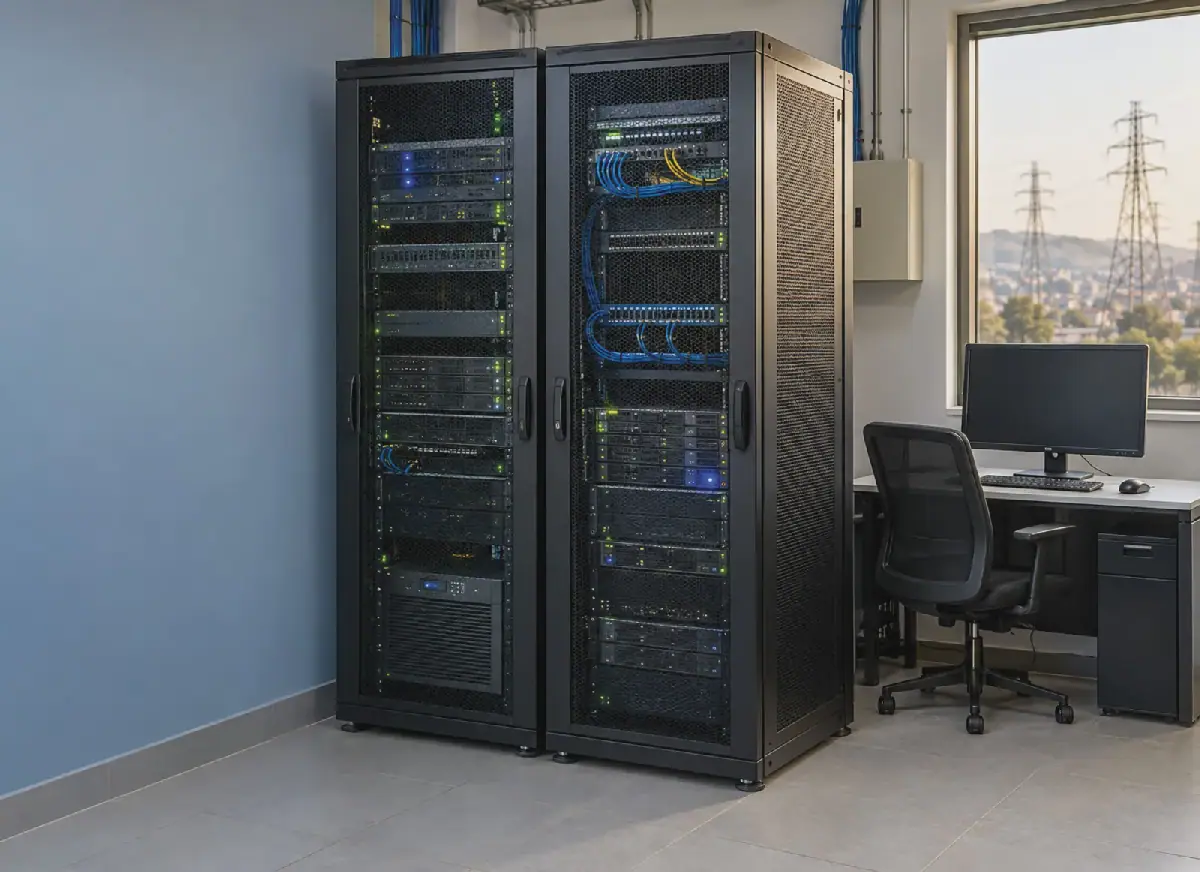
The proposed capital investments include enterprise systems modernisation, server infrastructure replacement, cybersecurity enhancements, disaster recovery infrastructure, energy trading and outage management, and other support infrastructure. These investments seek to address ageing technology, fragmented information systems, and cybersecurity vulnerabilities that could affect the quality and reliability of services delivered to customers. EEC's enterprise systems upgrade and integration will cover upgrades and improvements to various business systems, including the electronic procurement system and customer mobile application.
A significant portion of the proposed investment, E40 million, will be allocated to enterprise systems upgrade and integration. This will support the development of a customer mobile application and upgrades to prepaid electricity, customer relationship management, and storage systems. The objective is to improve integration between business systems, reduce manual processes, and provide a more seamless experience for customers and employees. Additionally, E30 million will be invested in server rationalisation to replace ageing production servers.
EEC's proposed investment in computer hardware and software systems is necessary due to the existing business systems being implemented at different times using different technologies and suppliers. This has resulted in reliance on manual processes, fragmented information, and operational inefficiencies. The proposed investment will address these challenges through several key initiatives, including cybersecurity improvements and disaster recovery infrastructure. E14.5 million will be allocated to strengthen EEC's protection against cyber threats.
The proposed disaster recovery hot site will provide an alternative facility from which critical systems can be restored in the event of a major system failure or disaster. This is essential for maintaining business continuity and ensuring that essential services, including electricity operations, billing, and prepaid vending, can recover quickly from disruptions. EEC's capital expenditure is not recovered immediately through electricity tariffs as a once-off cost; instead, qualifying assets are capitalised with their costs recognised over their useful lives through depreciation.
EEC has addressed concerns that support costs are increasing while investment in the distribution network is declining. The figures quoted compare two different things: the operating costs of EEC's support divisions and EEC-funded additions to distribution assets. Investment in the distribution network is not declining; network assets funded through government grants for rural electrification and through customer contributions for new connections are excluded from the application.
EEC remains committed to ensuring that capital investments are prudent, necessary, and deliver measurable operational value. The proposed expenditure is submitted to the Eswatini Energy Regulatory Authority (ESERA) for independent scrutiny and approval. Key aspects of the proposed capital spending and IT investment plans have been clarified, demonstrating EEC's efforts to enhance operational efficiency and customer experience.
Key points
- EEC proposes E183.4 million capital investment over two years to upgrade IT systems, cybersecurity, and support infrastructure.
- The proposed investment aims to address ageing technology, fragmented information systems, and cybersecurity vulnerabilities.
- EEC's capital expenditure is not recovered immediately through electricity tariffs as a once-off cost.
Reporting sources
- Overview on capital spending, IT investment and overtime costs · Swazi Observer