Eskom's new nuclear build programme, drawing on the power utility's experience operating the Koeberg nuclear plant, is estimated to cost between R471bn and R1.66-trillion. The programme comprises 4,800MW of pressurised water reactors and 400MW of small modular reactors. The proposed new nuclear build will have a lifespan of 60 years and an energy availability factor of between 90% and 92%.
The feasibility study submitted to electricity and energy minister Kgosientsho Ramokgopa earlier this month highlights the project's strengths, weaknesses, opportunities, and threats. Eskom lists the project's affordability and financing exposure as one of the weaknesses, citing substantial upfront capital expenditure and prolonged pre-revenue development and construction periods.
To mitigate these weaknesses, Eskom plans to deploy a disciplined, risk-adjusted, and market-tested financial model that would be progressively refined as the programme matured. The model will define the proposed funding structure, revenue framework, off-take arrangements, and risk allocation principles, and will be stress-tested against various factors such as foreign exchange movements and interest-rate volatility.
The new nuclear build programme is a central pillar of the R2.33-trillion 2025 Integrated Resource Plan, which targets 5,200MW of new nuclear capacity by 2039. The programme would support long-term socioeconomic advancement through specialised employment, engineering capability, manufacturing opportunities, and job creation.
Eskom's feasibility study cautions against judging the cost of building nuclear plants in isolation, stating that a nuclear power plant is a long-life infrastructure asset whose value is realised over decades through reliable energy production and reduced exposure to fuel-price volatility.
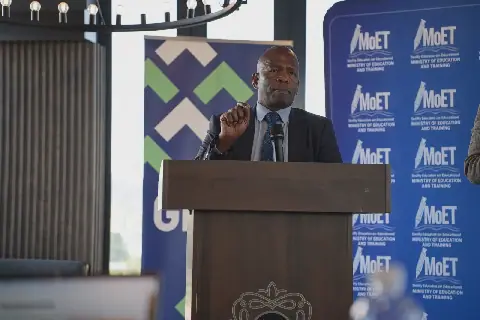
Minister Kgosientsho Ramokgopa announced his intention to make the required ministerial determination to kick-start the procurement process, following consultation with the minister of finance. The determination will authorise new electricity generation capacity, transmission infrastructure, or ancillary services to maintain an uninterrupted electricity supply and energy security.
The department's business case for a new nuclear build programme says the technology's long-term benefits will secure the country's energy future, citing South Africa's operating experience, uranium resources, and established legislative and regulatory framework. A delay in the nuclear expansion programme would reduce the availability of dispatchable capacity, increasing reliance on gas-fired generation.
Key points
- The estimated cost of Eskom's new nuclear build programme ranges from R471bn to R1.66-trillion.
- The programme's feasibility study highlights affordability and financing exposure as significant weaknesses.
- A delay in the nuclear expansion programme could increase reliance on gas-fired generation.
Reporting sources
- # 2 Eskom’s new nuclear build might fetch R1.6-trillion bill · The Sunday Times