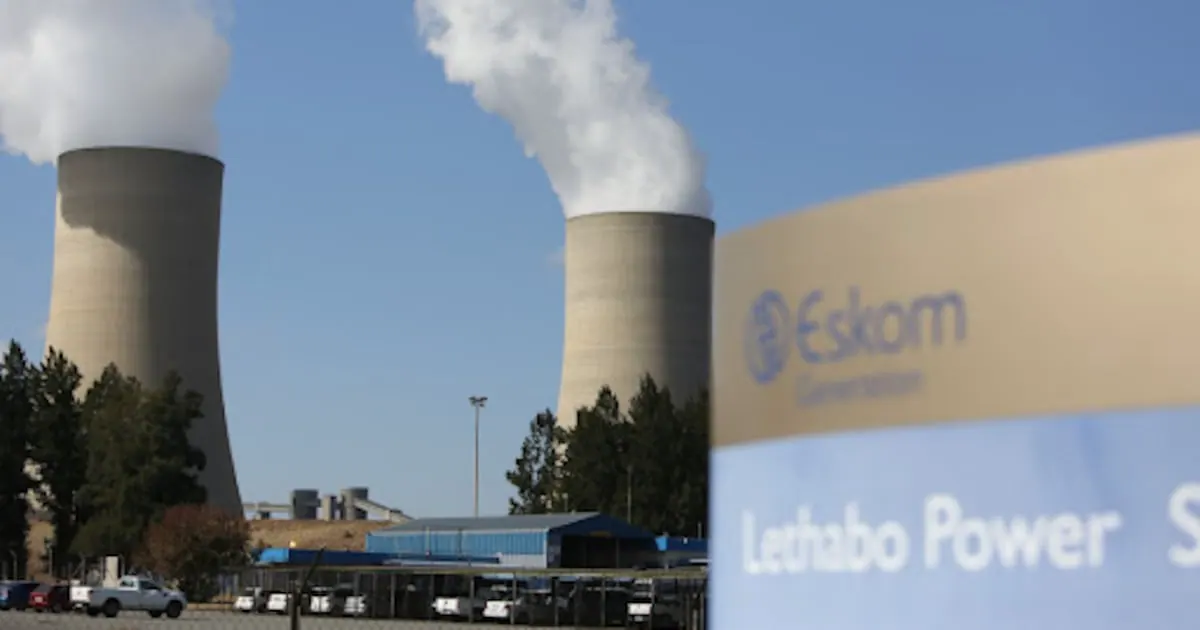
South Africa's state-owned power utility, Eskom, has proposed a new strategy to boost revenues by offering discounted electricity to energy-intensive users, including data centres and metal refineries. The plan involves selling electricity at a third of the average tariff, a rate considered exceptionally low by international standards. This move is expected to increase Eskom's electricity sales to 7.5% of total grid electricity for new data centres and bitcoin mines, with a similar amount allocated to metal refineries.
The proposal has raised concerns about its potential impact on the country. While it may attract investments and boost exports, it is unlikely to create significant job opportunities. The metal refineries, which are among the largest energy consumers, currently employ around 100,000 people, accounting for just over 0.5% of total employment. Similarly, the proposed data centres are expected to create fewer than 10,000 new jobs. This has led to criticism that the plan is not a path to inclusive growth.
Eskom's new strategy is seen as a way to address some of its current challenges. The company hopes to use the increased revenue to pay for fixed off-take agreements with coal suppliers, as declining demand for grid electricity has left it paying for coal it does not need. Additionally, the plan would allow Eskom to justify operating its older coal plants beyond their planned closure in 2030. This would also help secure Eskom's near-monopoly in the electricity market for the foreseeable future.
However, the plan also poses significant risks and costs to the rest of the economy. The proposal relies on a forecast by the new grid operator that it will have 2GW of excess capacity until March 2027, but this forecast is subject to a high degree of uncertainty. Furthermore, Eskom plans to add 4.3GW in demand by 2029, which is more than the putative excess supply this year. This has raised concerns about the potential for an electricity shortage and the impact on the economy.
The plan also ignores the economic and healthcare costs of Eskom's older power plants, which are heavily polluting and contribute to climate change. Eskom has acknowledged that these plants cannot meet current environmental standards, which is why it had agreed to close them by 2030. However, the new plan would allow Eskom to extend the life of these plants, which could lead to rising breakdowns in generation, higher pollution, and exposure to carbon taxes on exports.
South Africa's emissions per million rand of GDP are already twice as high as the norm for upper-middle-income countries. The plan has been criticized for prioritizing Eskom's interests over those of the country as a whole. Neva Makgetla, a senior researcher with Trade & Industrial Policy Strategies, has expressed concerns that Eskom's plan will entrench its monopoly power and deepen the fundamental contradiction in South Africa's current electricity strategy.
Ultimately, the success of Eskom's plan will depend on various factors, including the growth of the data centre and metal refinery sectors. However, the plan's risks and costs have raised concerns among critics, who argue that it prioritizes Eskom's interests over those of the country as a whole. The plan's impact on the environment, public health, and the economy will need to be carefully monitored.
Key points
- Eskom's plan poses significant risks and costs to the rest of the economy, including increased pollution and reliance on older power plants.
- The plan is unlikely to create significant job opportunities, despite attracting investments and boosting exports.
- Eskom's new strategy will entrench its monopoly power, deepening the fundamental contradiction in South Africa's current electricity strategy.