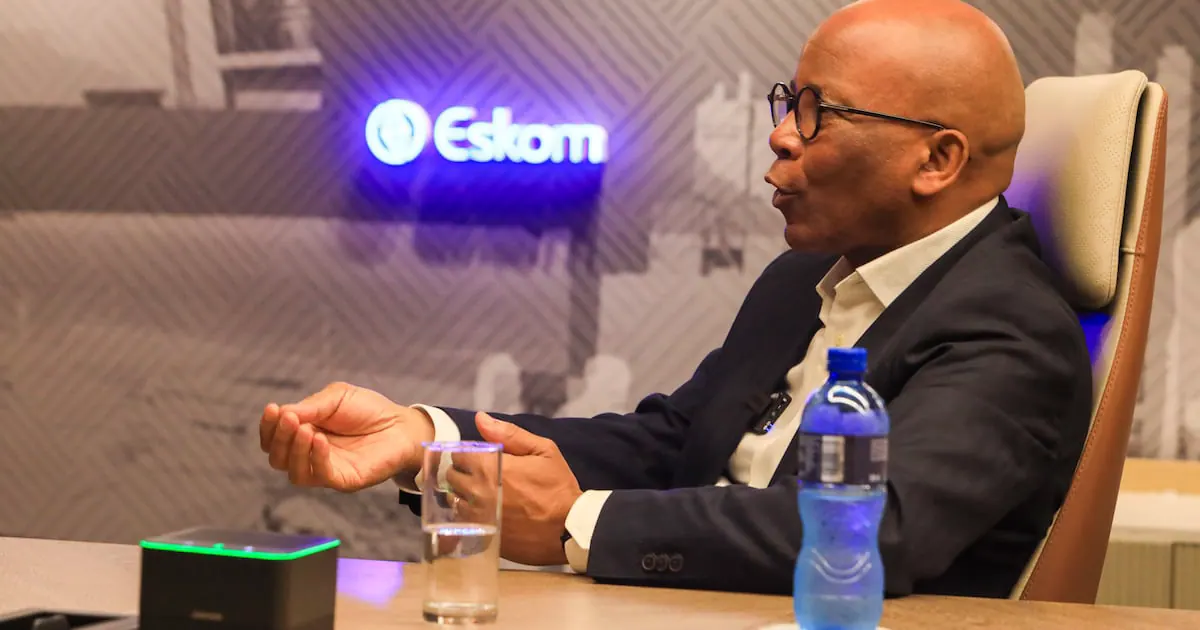
The future of Mteto Nyati as chair of the Eskom board is uncertain following his public statements on the government's approach to separating the transmission unit from Eskom. Nyati warned about the financial implications of this move for the utility, sparking criticism from those who advocate for a greater role of the private sector in energy generation. Some have even called for his removal, arguing that his statements contradict President Cyril Ramaphosa's promises on creating an independent transmission company.
The issue at stake is not whether one supports renewable energy or coal-fired power stations, but rather the need to ensure that leaders of state-owned entities can exercise independent judgment in the best interests of the company. The Companies Act and good governance principles require directors to do so. The King 4 Report on Corporate Governance emphasizes that shareholders have no legal or fiduciary responsibilities to the companies they invest in, meaning the state has no fiduciary responsibility, but the directors of state-owned entities do.
Nyati's statements were seen as dissent, a fundamental aspect of a healthy democracy. Dissent is defined as holding or expressing a strong disagreement with an official decision or policy supported by those in authority. While Nyati wasn't strictly dissenting, he was speaking up in the best interests of Eskom, as required by corporate law and good governance principles. His right to express his views is worth defending, as dissent can prevent society from making large mistakes.
The importance of dissent in a healthy democracy has been highlighted by American legal scholar Cass Sunstein. He argues that conformists often prioritize their own interests, while dissenters can benefit others. In many situations, dissenters can prevent societal mistakes by speaking up. Nyati's actions can be seen in this light, as he prioritized the interests of Eskom.
Despite later meeting with President Ramaphosa and seemingly finding common ground, there is still a sentiment that Nyati should not be reappointed as chair of the board due to his initial statements. This has raised concerns about the potential consequences for South Africa if Nyati is not given another term. The country has experienced many challenges in recent years, and removing Nyati could send a chilling message to leaders of state-owned entities.
The potential consequences of not reappointing Nyati are significant, as it could undermine the independence of directors in state-owned entities. This could have far-reaching implications for governance and the economy. It is essential to prioritize good governance principles and ensure that directors can exercise independent judgment in the best interests of the company.
Jabulani Sikhakhane, a former spokesperson for the finance minister, National Treasury, and South African Reserve Bank, has weighed in on the issue. As editor of The Conversation Africa, he argues that removing Nyati would be a mistake. Sikhakhane's comments highlight the need for a nuanced discussion on the role of directors in state-owned entities and the importance of dissent in a healthy democracy.
Key points
- Eskom chair Mteto Nyati's future is uncertain after expressing concerns over government's approach to separating the transmission unit from Eskom.
- The issue at stake is the need to ensure that leaders of state-owned entities can exercise independent judgment in the best interests of the company.
- Removing Nyati could undermine the independence of directors in state-owned entities and have far-reaching implications for governance and the economy.