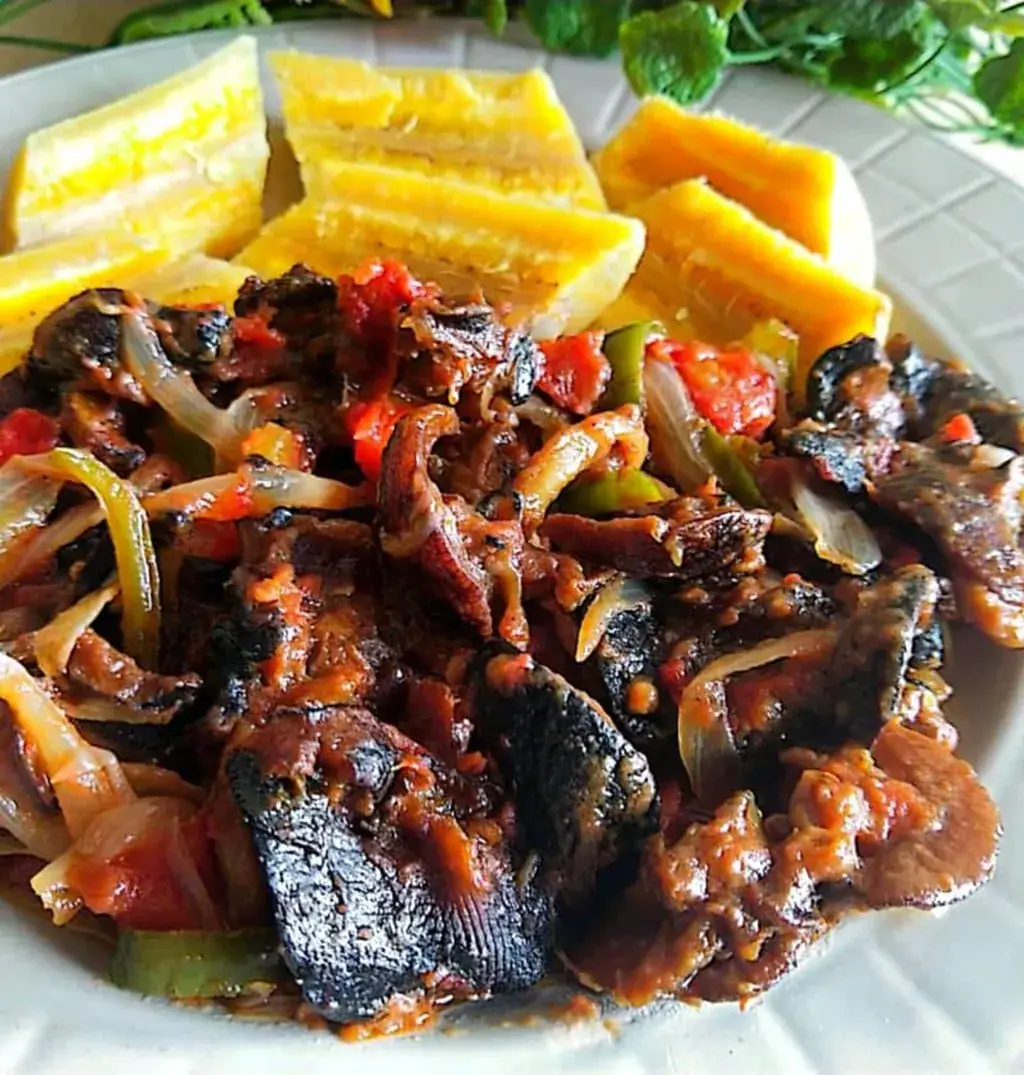
In Benin, snails are a delicacy enjoyed by many for their unique flavor and nutritional value. Rich in protein and minerals, snails are a valuable addition to a balanced diet. According to Dr. Serge Patrick Zinvoédo, a nutritionist and dietician, snails are an excellent source of protein, essential for muscle growth and tissue renewal. This makes them an ideal food for athletes and individuals with muscle deficits.
Snails contain various minerals, including iron, zinc, magnesium, and calcium, which are vital for maintaining good health. Iron helps form hemoglobin, while zinc supports immune function and wound healing. Magnesium is essential for various bodily functions, and calcium is crucial for bone health. Additionally, snails are a good source of vitamins A, B, and D, which are important for children and the elderly.
While snails offer several nutritional benefits, their preparation and consumption require attention to detail. In Benin, snails are often served with atassi, a mixture of rice and beans, and sometimes accompanied by fried snails. However, Dr. Zinvoédo warns against certain food combinations that can be detrimental to health. He advises moderation and careful consideration of the ingredients used in snail preparation.
The method of preparation is also crucial to ensure safe consumption. Dr. Zinvoédo recommends using ingredients like parsley, celery, and garlic to enhance the flavor and nutritional value of snails. These ingredients can help eliminate excess protein in the blood and prevent kidney disease. Moreover, it is essential to clean and cook snails thoroughly to reduce the risk of microbiological contamination.
Snails from unsanitary environments may be exposed to bacteria, parasites, or contaminants, making proper cleaning and cooking crucial. A thorough cooking process can minimize the risks associated with snail consumption. When prepared and consumed responsibly, snails can be a nutritious and flavorful addition to a balanced diet.
Dr. Zinvoédo emphasizes the importance of varying the accompaniments to snail dishes to maintain a balanced diet. He also advises against overconsumption, as excessive snail consumption can lead to increased creatinine levels and kidney problems. Creatinine is a waste product resulting from muscle metabolism, and high levels can indicate kidney dysfunction.
In conclusion, snail consumption in Benin offers numerous nutritional benefits, but it is essential to exercise caution when preparing and consuming them. By following proper food safety guidelines and varying accompaniments, individuals can enjoy snails as a nutritious and flavorful part of their diet. With their high protein and mineral content, snails can be a valuable addition to a balanced diet.
Key points
- Dr. Serge Patrick Zinvoédo advises moderation and careful consideration of ingredients when consuming snails.
- Snails are rich in protein, minerals, and vitamins, making them a nutritious addition to a balanced diet.
- Proper preparation and cooking of snails are crucial to minimize the risk of microbiological contamination.