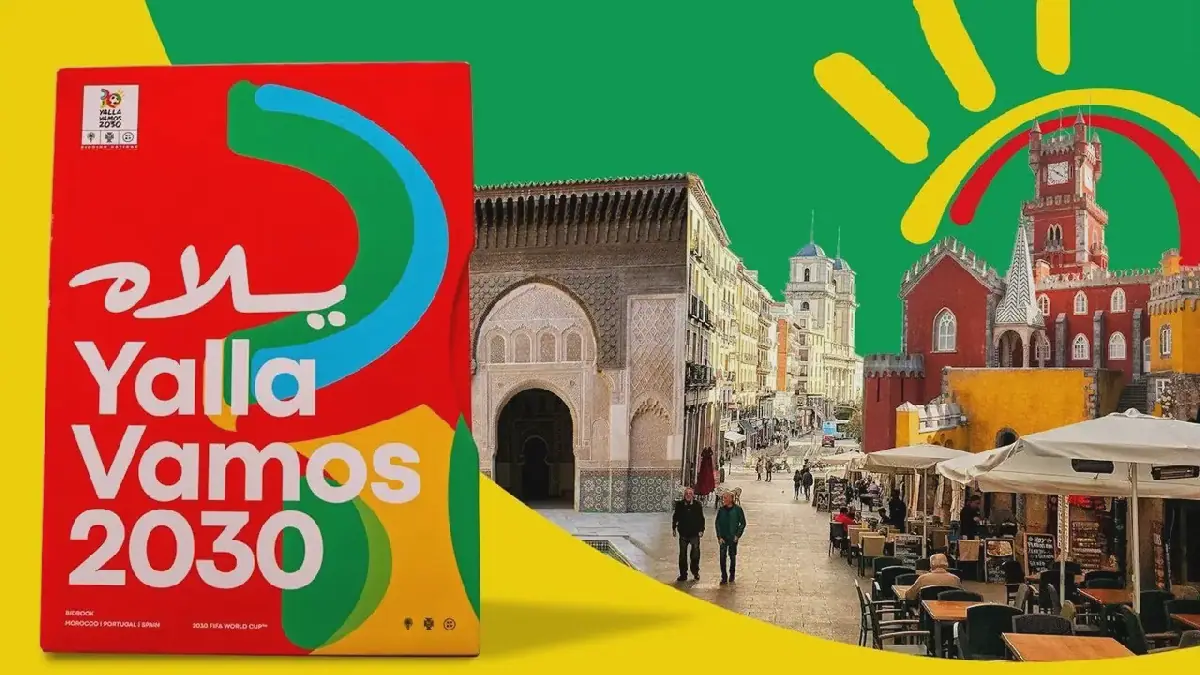
The dispute between Morocco and Spain over the 2030 World Cup hosting rights has taken a turn for the worse, with Spanish politicians using strong-arm tactics to pressure FIFA into awarding the final to Spain. The tensions come as Morocco has reiterated its readiness to host the final at the Hassan II Stadium in Benslimane, sparking concerns among Spanish politicians who feel their country's influence is waning.
The Spanish government, particularly the People's Party, has expressed deep-seated concerns about losing the upper hand in the joint bid with Portugal. Alberto Núñez Feijóo, the leader of the People's Party, has threatened to withdraw from the hosting duties if the final is awarded to Morocco. This reaction reflects Spain's anxiety about being eclipsed by Morocco's ambitious plans and massive infrastructure investments.
Morocco's bid for the 2030 World Cup has gained significant momentum, with the country's authorities assuring that the Hassan II Stadium will be ready by 2028. The stadium is part of a broader infrastructure development plan aimed at showcasing Morocco's capabilities as a major host nation. This has raised the stakes for Spain, which has traditionally considered itself the leading force behind the joint bid.
The involvement of FIFA in the process has added another layer of complexity to the dispute. The organization has been conducting inspection tours of the proposed host venues in Morocco, Spain, and Portugal. These tours are crucial in determining which country will be awarded the hosting rights for the 2030 World Cup.
Morocco's preparations for the World Cup have been underway for some time, with construction work on the Hassan II Stadium expected to begin soon. The stadium is being built to meet the highest international standards and is expected to be one of the largest and most modern in the world. This has raised expectations that Morocco could be a strong contender for the hosting rights.
The dispute between Morocco and Spain over the 2030 World Cup hosting rights has significant implications for the world of football. The outcome will not only determine which country will host the tournament but also reflect the shifting balance of power in international football. Morocco's growing influence in the sport has been evident in recent years, and a successful World Cup bid would further cement its position as a major player.
The controversy surrounding the 2030 World Cup hosting rights has sparked a heated debate about the use of strong-arm tactics in international sports diplomacy. The Spanish government's threats to withdraw from the hosting duties have been criticized as an attempt to bully FIFA into awarding the final to Spain. This approach has raised concerns about the integrity of the bidding process and the potential consequences for the sport as a whole.
Key points
- Morocco's readiness to host the 2030 World Cup final at the Hassan II Stadium has sparked concerns among Spanish politicians who feel their country's influence is waning.
Reporting sources
- لا تنفع لغة التهديد.. والابتزاز يعكس عجز إسبانيا عن مواجهة طموح المغرب · almountakhab.com