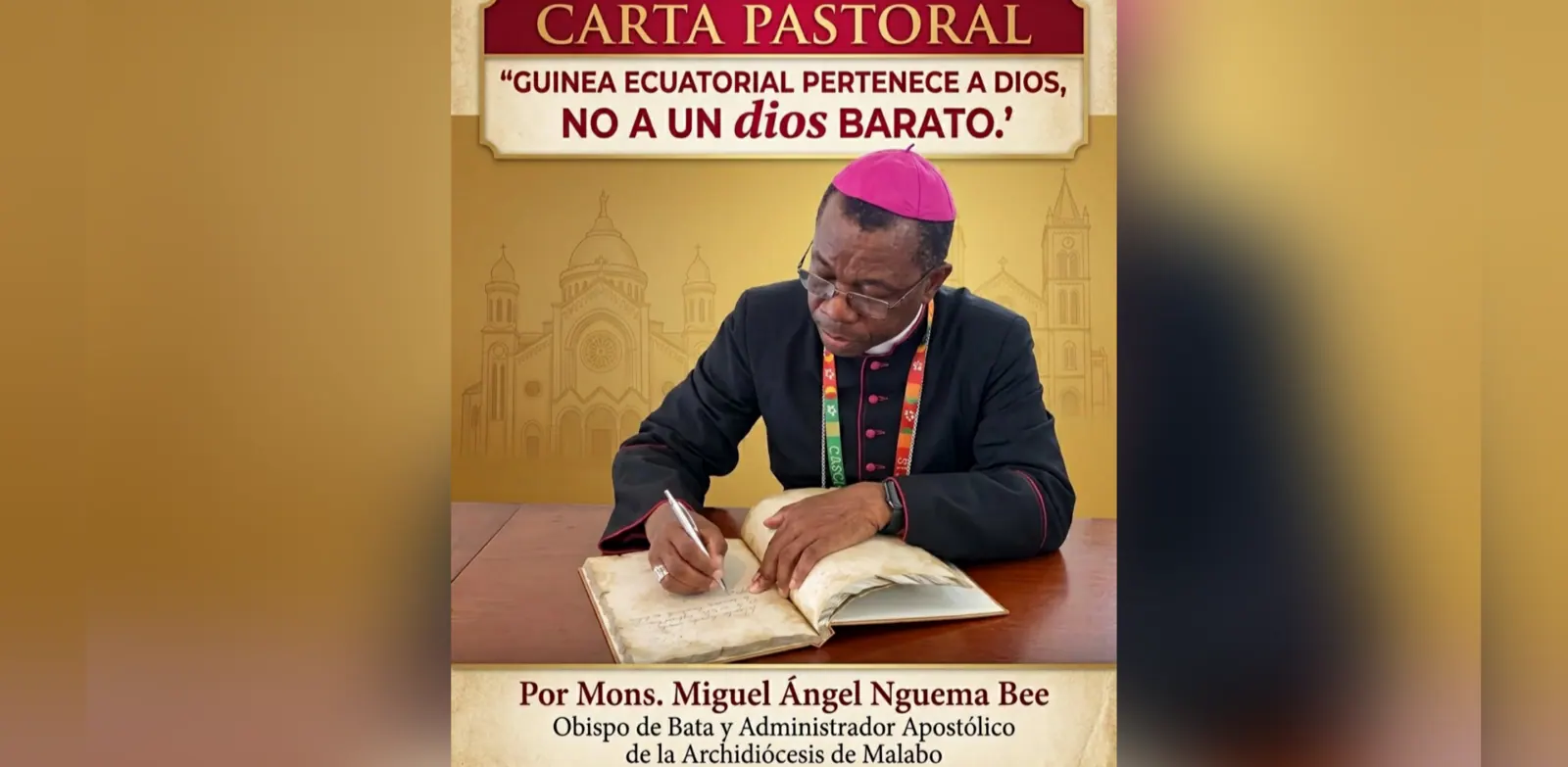
The Bishop of Bata Diocese and Apostolic Administrator of Malabo Archdiocese, Monseñor Miguel Ángel Nguema Bee, has expressed concern over the growing presence of sects and new religious movements in Equatorial Guinea. In a pastoral letter titled "Equatorial Guinea belongs to God, not a cheap god," he called on Christians to exercise discernment and deepen their faith. The letter, published on the 29th of the month in Bata, highlights the risks of confusion, manipulation, and exploitation of vulnerable individuals.
Monseñor Nguema Bee's letter specifically addresses the use of Catholic symbols, names, and vestments by certain groups, which he believes can cause confusion among citizens. He also warns against the mixing of religious practices, superstitions, and magical elements. According to the bishop, the Christian faith cannot be reduced to formulas or rituals aimed at achieving specific results. He emphasizes that "God is not a commodity" and that individuals should not be exploited economically by taking advantage of their spiritual needs.
The pastoral letter also contains a direct appeal to the public authorities of Equatorial Guinea. While recognizing the freedom of worship and religion enshrined in the country's Fundamental Law, the bishop stresses that its exercise must be carried out within the legal framework and with respect for the rights of others. He requests that the authorities take due attention to these situations and adopt measures, where necessary, to ensure responsible and respectful exercise of religious freedom.
Monseñor Nguema Bee's statement comes amid growing concerns about the proliferation of sects and new religious movements in Equatorial Guinea. The bishop's letter aims to raise awareness among Christians and the general public about the potential risks associated with these groups. By speaking out, he hopes to promote a more informed and critical approach to faith and spirituality.
The Catholic Church in Equatorial Guinea has a significant following, and the bishop's statement is likely to resonate with many citizens. The country's authorities have not yet responded to the bishop's appeal, but it is expected that they will take his concerns into consideration. The issue of sect proliferation is a complex one, requiring a thoughtful and multi-faceted response.
Monseñor Nguema Bee's pastoral letter is a significant intervention in the public debate about sects and new religious movements in Equatorial Guinea. By emphasizing the importance of responsible and respectful exercise of religious freedom, he aims to promote a culture of tolerance and coexistence. The bishop's statement has been welcomed by some as a timely and necessary intervention.
The issue of sect proliferation in Equatorial Guinea remains a pressing concern, with many citizens vulnerable to exploitation by unscrupulous groups. Monseñor Nguema Bee's statement serves as a reminder of the need for vigilance and critical thinking in matters of faith and spirituality. The Catholic Church and other stakeholders will likely continue to engage with the authorities and the public on this issue.
Key points
- Monseñor Miguel Ángel Nguema Bee urges Equatorial Guinea's authorities to address sect proliferation.
- The bishop warns against the mixing of religious practices, superstitions, and magical elements.
- The pastoral letter aims to promote responsible and respectful exercise of religious freedom.