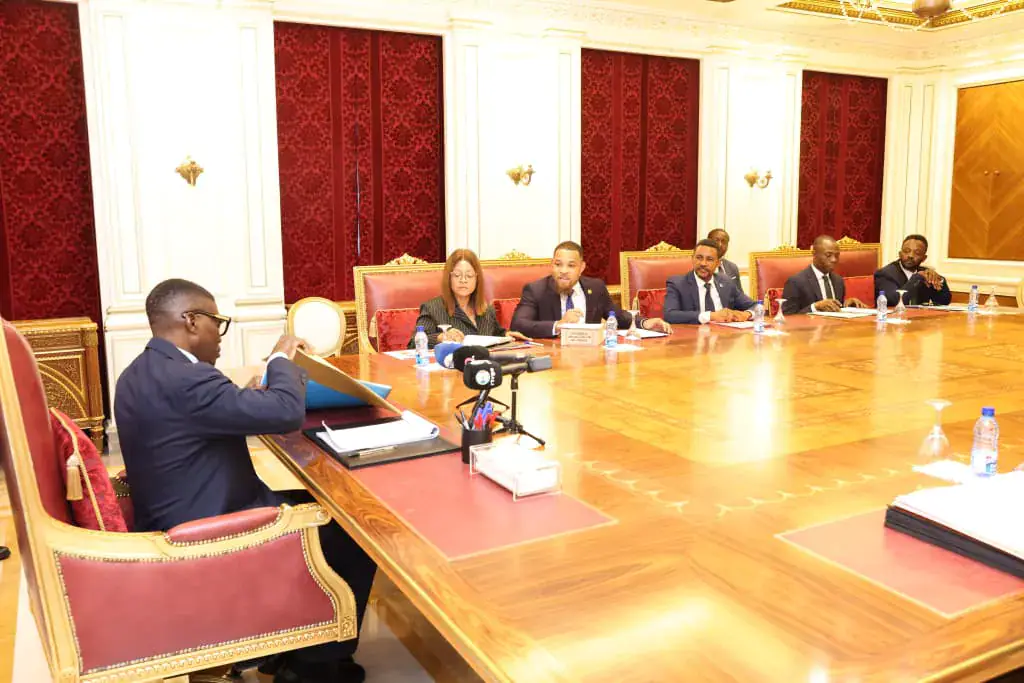
The government of Equatorial Guinea has announced plans to establish museums in Malabo, Bata, and La Ciudad de Paz to preserve the country's archaeological heritage. The decision was made during a meeting at the Palacio del Pueblo de Malabo, where officials informed the vice president about the state of conservation and location of archaeological findings from Corisco. The meeting also discussed the custody of 12 boxes containing these materials, which are currently held by the Centro Cultural Ecuatoguineano.
The archaeological findings, which include ceramics, tools, and other artifacts, were discovered during excavations on the island of Corisco. The excavations, conducted by the Equatoguinean government and Spanish researchers from the Consejo Superior de Investigaciones Científicas (CSIC), uncovered a significant necropolis dating back to between 50 BC and 1200 AD. The artifacts provide valuable insights into the daily activities, cultural practices, and organizational structures of ancient populations in the region.
The discovered artifacts include iron tools, axes, spears, bracelets, necklaces, and ceramics, which demonstrate the use of metalworking techniques before colonization. Vice President Nguema Obiang Mangue has emphasized the importance of protecting these historical findings and making them accessible to the public. To achieve this, he has ordered the organization of a national tour to identify antiquities held by private individuals who are willing to sell them to the state.
The government has instructed that any potential acquisitions must undergo specialized evaluation to determine their authenticity, origin, and value. This initiative aims to strengthen the recovery, conservation, and dissemination of Equatorial Guinea's historical and archaeological heritage. The government also seeks to prevent the loss or export of culturally significant items and promote a greater understanding of the country's history and traditions among younger generations.
The planned museums in Malabo, Bata, and La Ciudad de Paz will provide a platform for showcasing the country's rich cultural heritage. The museums will not only display the archaeological findings but also provide educational programs and activities to raise awareness about the importance of preserving cultural heritage. By investing in the preservation of its archaeological heritage, Equatorial Guinea aims to promote cultural tourism and economic development.
The collaboration between the Equatoguinean government and Spanish researchers has been instrumental in uncovering the country's rich archaeological history. The findings on Corisco island have shed new light on the lives of ancient populations in Central Africa and have significant implications for our understanding of the region's cultural and historical development. The government's commitment to preserving these findings and making them accessible to the public is a positive step towards promoting cultural heritage and national identity.
The creation of the museums is expected to have a positive impact on the country's cultural and economic development. By preserving and showcasing its archaeological heritage, Equatorial Guinea can attract cultural tourists and promote a greater understanding of its history and traditions. The government's initiatives to recover, conserve, and disseminate the country's cultural heritage demonstrate a commitment to preserving the nation's history and promoting national identity.
Key points
- The government of Equatorial Guinea plans to establish museums in Malabo, Bata, and La Ciudad de Paz to preserve the country's archaeological heritage.
- The museums will showcase artifacts discovered during excavations on Corisco island, including ceramics, tools, and other historical items.
- The government's initiatives aim to promote cultural heritage, prevent the loss of culturally significant items, and foster a greater understanding of the country's history and traditions.
Reporting sources
- El Gobierno proyecta la creación de museos en Malabo, Bata y La Ciudad de Paz para conservar el patrimonio arqueológico nacional · AHORAEG Guinea Ecuatorial - Diario online líder de noticias