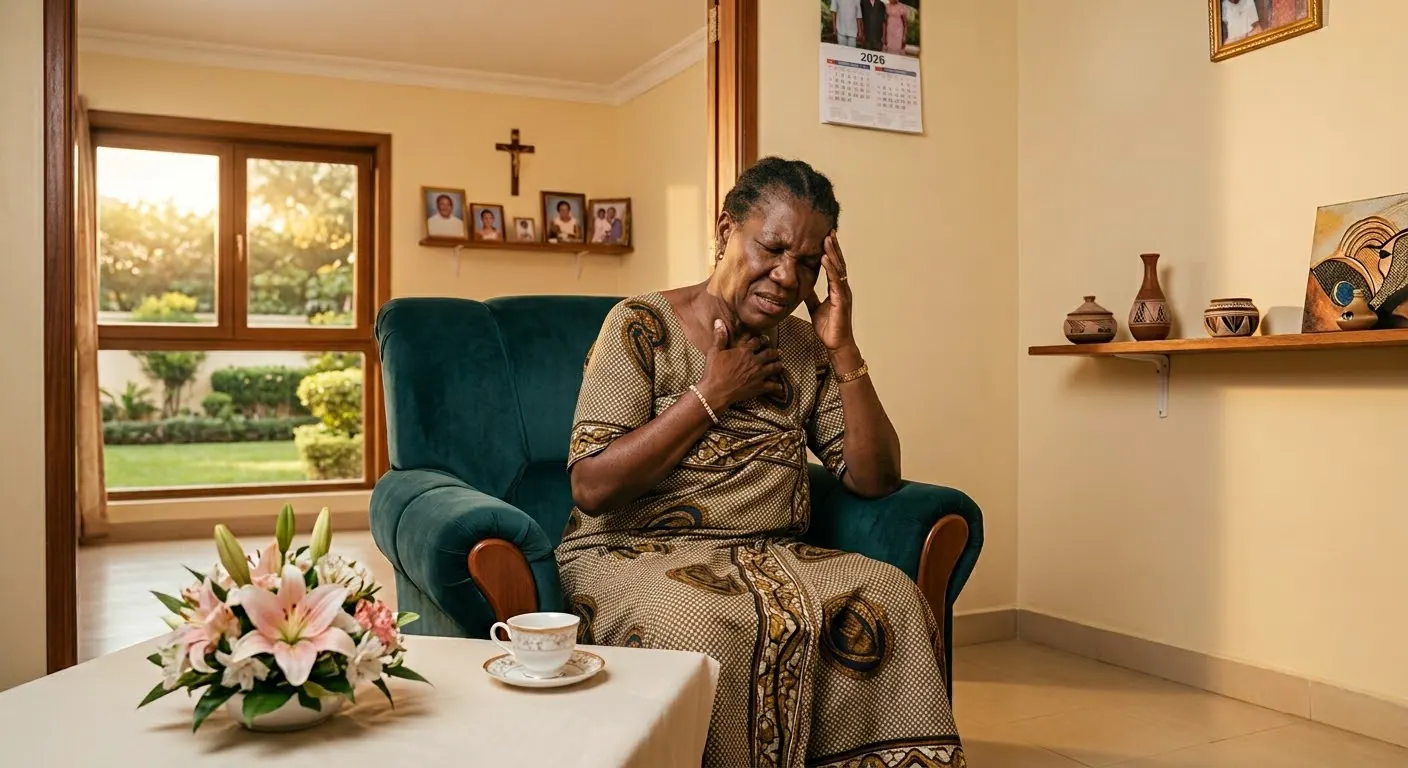
In Equatorial Guinea, a common phrase "Ya se me pasará" or "it will pass" often leads citizens to delay seeking medical care when they experience symptoms of an illness. This attitude, according to health professionals, can exacerbate conditions that could have been treated more simply if addressed promptly. Gonzalo María Mba Eyang, Director General of Coordination for the Fight Against Sexually Transmitted Diseases, HIV/AIDS, Tuberculosis, and Hepatitis, has called on the population to change this behavior.
Mba Eyang attributes this practice to cultural beliefs, myths, and self-medication at home. Many people also seek care at pharmacies or unqualified clinics, only to later visit a hospital when their condition worsens. This can lead to more complicated treatments and poorer health outcomes. The delay in seeking medical care can allow diseases to progress, making treatment more challenging.
The consequences of delayed medical care can be severe. When a child presents with a fever, some parents may opt to buy medication on credit from a pharmacy rather than visiting a hospital due to concerns about payment. However, this approach can lead to more severe health problems. Mba Eyang emphasizes that timely medical care is crucial for effective treatment.
To address these issues, the government has implemented the Plan de Mejora Urgente de los Hospitales Públicos (Urgent Improvement Plan for Public Hospitals). This plan ensures that citizens receive medical attention promptly, regardless of their ability to pay. Patients can be provided with a payment plan if they are unable to pay immediately.
The plan aims to provide universal access to medical care, reducing the reliance on unqualified clinics and pharmacies. By seeking medical care promptly, citizens can receive effective treatment and avoid more severe health complications. Health officials stress that this approach can significantly improve health outcomes.
Mba Eyang and other health officials are working to raise awareness about the importance of seeking medical care promptly. They emphasize that this approach can help prevent the progression of diseases and improve treatment outcomes. By changing this cultural attitude, Equatorial Guinea can improve its healthcare system and reduce the burden of preventable illnesses.
The government and health officials are committed to improving the healthcare system in Equatorial Guinea. By implementing the Plan de Mejora Urgente de los Hospitales Públicos and promoting a culture of prompt medical care, they aim to reduce the incidence of preventable illnesses and improve health outcomes for citizens.
Key points
- Health officials in Equatorial Guinea are urging citizens to seek medical attention immediately when symptoms arise.
- The delay in seeking medical care can allow diseases to progress, making treatment more challenging.
- The government has implemented a plan to provide universal access to medical care, reducing the reliance on unqualified clinics and pharmacies.