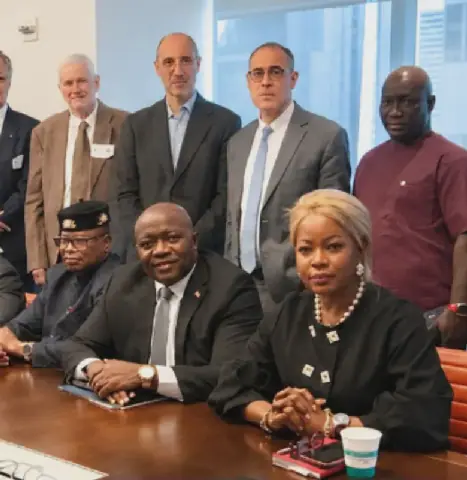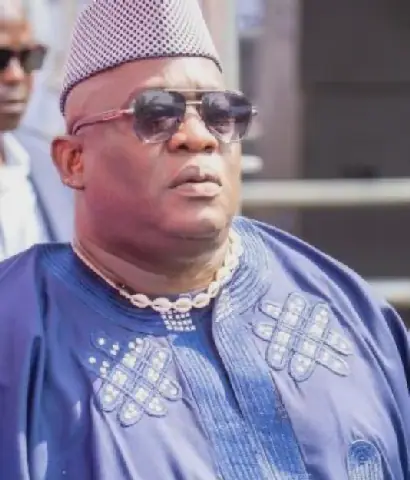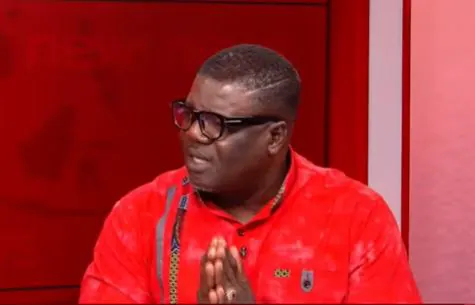
Member of Parliament for South Dayi, Rockson-Nelson Dafeamekpor, has stated that the Economic and Organised Crime Office (EOCO) should have obtained approval from the Speaker of Parliament before attempting to arrest Manhyia South MP Nana Agyei Baffour Awuah at the Accra High Court. This position was made public through a post on social media, following the emergence of videos depicting the alleged arrest. Dafeamekpor emphasized that such actions are governed by Article 117 of the Constitution.
According to Dafeamekpor, the Constitution outlines a specific procedure for dealing with parliamentarians, which includes approaching the Speaker for permission before any action can be taken. He argued that this protocol is essential and must be adhered to, stressing that where a law provides a procedure for a right to be exercised, only that procedure must be followed. This, he believes, is crucial in maintaining the dignity and protocol between the House and law enforcement agencies.
Dafeamekpor expressed concerns that if such incidents continue, they could harm Parliament's standing, especially at a time when Ghana is hosting an ECOWAS Parliament conference in Accra. He made it clear that his objection was not to any lawful investigation of Baffour Awuah but to the procedure employed by EOCO. He insisted that if Baffour Awuah is alleged to have committed an offence, the law should follow the lawful procedure.
The incident in question involved an alleged attempt by EOCO to arrest Baffour Awuah within the court precincts. While Dafeamekpor described this as "absolutely unacceptable," the circumstances of the incident and EOCO's position have not been fully established. Baffour Awuah's lawyers have disputed EOCO's claims regarding invitations sent in February, adding another layer of complexity to the situation.
In response to the incident, the Interior Ministry spokesperson suggested that pursuing Baffour Awuah through Parliament would have made the arrest process more decorous. This implies that there are protocols in place for dealing with MPs that law enforcement agencies must follow. EOCO, on the other hand, has stated that the MP's status does not place him beyond the law, justifying their actions as lawful.
The incident has sparked a broader conversation about the protocols for arresting MPs and the relationship between law enforcement agencies and Parliament. Dafeamekpor warned that Parliament will resist any breaches of the established protocol for arresting MPs. This indicates a readiness on the part of Parliament to defend its privileges and ensure that its members are treated in accordance with the law and established procedures.
As the situation continues to unfold, various stakeholders have weighed in on the matter. Lawyers, politicians, and other interested parties have expressed their views on the protocol for arresting MPs and the actions of EOCO in this instance. With the 7-month-old EOCO invitation letter surfacing, it remains to be seen how this incident will be resolved and what implications it will have for future interactions between law enforcement and parliamentarians.
Key points
- EOCO must approach the Speaker of Parliament before seeking to arrest an MP.
- The incident has highlighted the need for law enforcement agencies to follow established protocols when dealing with parliamentarians.
- Parliament has expressed its readiness to resist breaches of the protocol for arresting MPs.