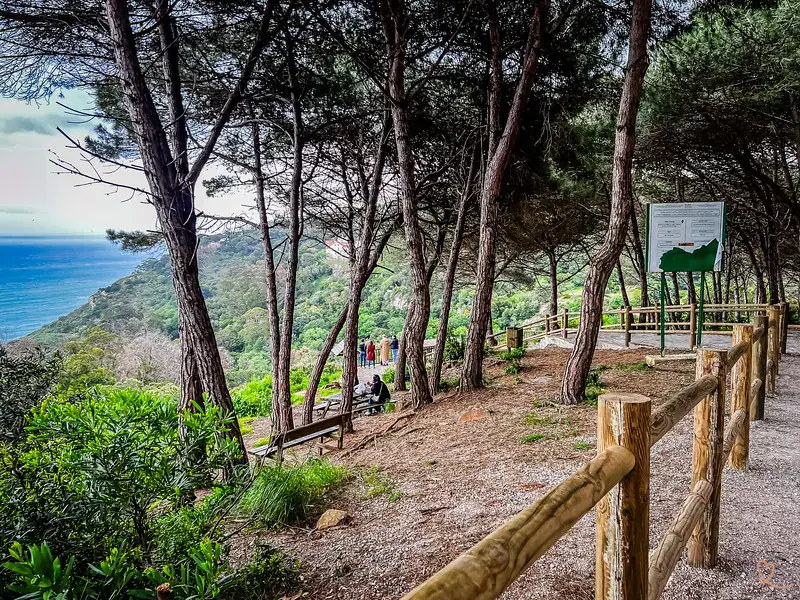
A recent field visit by the Environmental Observatory's monitoring committee in Tangier revealed alarming signs of rapid urban sprawl threatening the city's forests. On November 7, 2026, the committee inspected areas including Ramilat, Danabou, Cap Spartel, Medaouna, and Aslouquia. The team observed three large residential clusters with buildings up to three stories high, constructed within or on the outskirts of the forest. This transformation from a natural forest to a built-up area is happening at an unprecedented pace.
The committee's findings extend beyond existing structures, with visible land divisions and plots for sale, indicating a looming expansion of informal construction. This could lead to parts of the forest being converted into speculative real estate. Furthermore, the team noted the presence of concrete walls, metal fences, and poultry farms within the forest, which isolate natural habitats, disrupt wildlife movement, and mar the landscape.
The environmental group also documented the removal of topsoil from the forest, with evidence suggesting it was being sold. This direct assault on the forest's ecosystem jeopardizes its ability to regenerate and maintain biodiversity. The cumulative impact of these infractions, according to the observatory, threatens to fragment Tangier's forests into isolated pockets, gradually eroding their capacity for renewal and ecological resilience.
The monitoring committee's visit highlighted the severity of the situation, with widespread disregard for environmental regulations. The construction of residential buildings, farms, and dumping grounds within the forest has resulted in a patchwork of isolated areas, disrupting the natural habitat and threatening local wildlife. This unchecked development has significant implications for the long-term health of Tangier's ecosystems.
The Environmental Observatory has called for immediate action to address the crisis, urging a joint official inspection to verify the extent of the damage. The group is demanding that authorities halt all illicit construction, enforce environmental regulations, and impose penalties on those responsible. Without urgent intervention, the observatory warns that the consequences for Tangier's environment and biodiversity will be severe.
The rapid urbanization of Tangier's forests has significant implications for the city's ecological future. As the urban sprawl continues to encroach on natural habitats, the risk of irreversible damage to the environment grows. The Environmental Observatory's findings serve as a stark reminder of the need for effective conservation measures and enforcement of environmental laws to protect Tangier's unique ecosystems.
The situation in Tangier's forests underscores the need for a coordinated response from authorities, environmental groups, and local communities to address the crisis. The Environmental Observatory's call for action highlights the importance of collaboration and collective responsibility in safeguarding the city's environmental heritage. Key stakeholders must work together to develop and implement effective conservation strategies, ensuring the long-term protection of Tangier's forests and biodiversity.
Key points
- The Environmental Observatory has identified three large residential clusters with buildings up to three stories high within Tangier's forests.
- The rapid urbanization of Tangier's forests threatens to fragment and isolate natural habitats, disrupting local ecosystems and biodiversity.
- The Environmental Observatory is calling for immediate action to halt illicit construction, enforce environmental regulations, and impose penalties on those responsible.