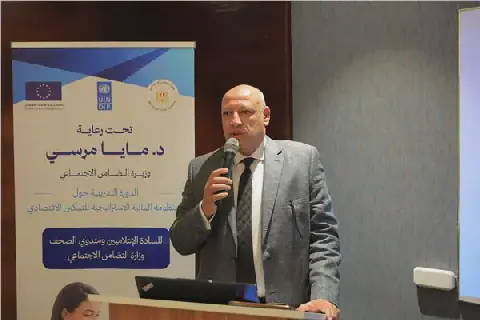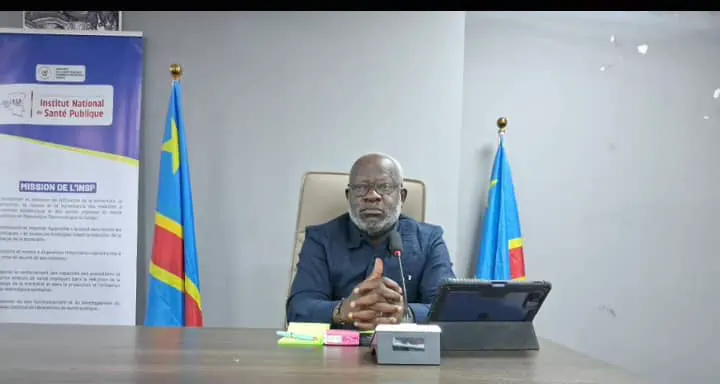
The Democratic Republic of Congo is facing a significant challenge in containing the Ebola outbreak, with environmental factors playing a crucial role. According to Professor Pierre-Albert Ngueliele, deforestation and mining activities are among the primary environmental factors associated with the epidemic. He made these remarks during a conference-training session held in Kinshasa, where he emphasized the need to address these underlying issues to prevent future outbreaks.
Professor Ngueliele highlighted deforestation as the leading cause of the Ebola outbreak, followed closely by mining activities. He stressed that emergency interventions to contain the outbreak must be accompanied by measures to preserve the environment. This includes strengthening public policies against accelerated deforestation and anarchic mining practices. The professor's comments underscore the importance of integrating environmental considerations into efforts to combat epidemics.
The conference-training session aimed to shed light on the interconnectedness of human health, the environment, and economic activities. In the DRC, the preservation of forest spaces and the exploitation of natural resources pose significant challenges. Professor Ngueliele's presentation emphasized that the fight against epidemics must take into account the environmental dimension, particularly in areas where human activities significantly alter ecosystems.
The Ebola outbreak in the DRC has been linked to various environmental factors, including deforestation and mining. These activities have led to the destruction of forests, savannas, and rivers, creating an environment conducive to the spread of diseases. Professor Ngueliele's comments highlight the need for a comprehensive approach to addressing the outbreak, one that includes measures to mitigate the impact of human activities on the environment.
The DRC has faced persistent challenges in preserving its forest spaces and managing the exploitation of its natural resources. The country's rich natural heritage is under threat from deforestation, mining, and other human activities. By acknowledging the link between environmental degradation and the Ebola outbreak, the government and international partners can work together to develop sustainable solutions.
Professor Ngueliele's call for a stronger policy response to environmental degradation is timely. The DRC must develop and implement effective policies to regulate mining activities and prevent deforestation. This will require a concerted effort from government agencies, civil society, and local communities to ensure that economic development is balanced with environmental protection.
The intersection of human health, environment, and economic activities is a critical area of focus for the DRC. By addressing the environmental factors contributing to the Ebola outbreak, the country can make progress in preventing future epidemics. The government's commitment to environmental protection and sustainable development will be essential in this endeavor.
Key points
- Deforestation and mining activities are key environmental factors linked to the Ebola outbreak in the DRC.
- Professor Pierre-Albert Ngueliele emphasizes the need for emergency interventions to be accompanied by measures to preserve the environment.
- The DRC must develop effective policies to regulate mining activities and prevent deforestation to prevent future outbreaks.