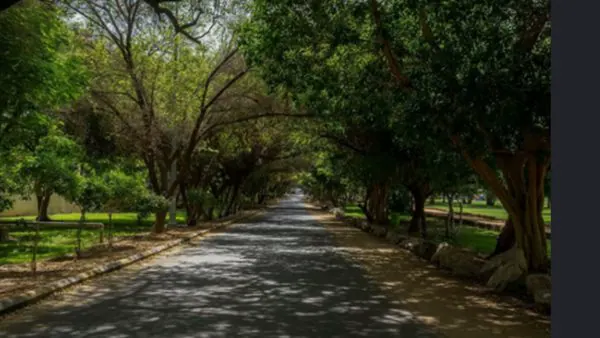
Dr. Abdel Maseeh Simaan, a professor of environmental research at Ain Shams University, emphasized the importance of adhering to scientific criteria when selecting tree species suitable for Egypt's environment. He noted that some tree species are not compatible with Egypt's local climate, while others can withstand pollutants and dust. Dr. Simaan recommended tree species such as eucalyptus, willow, and ficus for their ability to tolerate environmental conditions and pollutants.
Dr. Simaan highlighted that tree selection should vary depending on the specific region, with industrial areas and desert roads requiring specific tree species that can withstand polluted conditions and act as wind barriers. He stressed the need for afforestation plans to be based on scientific studies that determine the suitable tree species for each area, rather than relying on planting a single species in all locations.
The professor emphasized that the success of afforestation initiatives is not solely measured by the number of trees planted, but rather by their ability to sustain and grow, maintaining the green cover. He noted that providing regular water sources and scientific care are essential factors in preserving trees, warning that excessive watering can be detrimental, just like insufficient water.
Dr. Simaan suggested relying on treated wastewater, specifically tertiary-treated safe wastewater, for irrigating new plantations, aiming to conserve freshwater resources and optimize their use. He emphasized that a sustainable water source is a fundamental requirement for the success of afforestation plans and the continued growth of trees.
The environmental expert explained that replacing a mature tree that has been removed does not occur immediately, noting that a replacement tree may take 5 to 10 years to reach a similar level of foliage density and shade provided by the original tree. He stressed the importance of balancing necessary removals with planting alternatives while preserving mature trees whenever possible.
Dr. Simaan called for increased environmental awareness in schools and institutions, encouraging students to participate in planting, pruning, and caring for trees. He proposed placing informative signs near street trees, including the tree's name, watering schedule, and fertilization requirements, to educate citizens and students about different species and their care.
The professor highlighted the significance of public participation in protecting trees, noting that citizens' sense of ownership over trees motivates them to care for and preserve them. He cited a previous experience where residents were involved in purchasing seedlings for a nominal fee of one Egyptian pound, leading to increased community involvement in protecting and caring for the trees.
Key points
- Environmental experts emphasize the importance of selecting suitable tree species for Egypt's climate to effectively combat pollution.
- Afforestation plans should be based on scientific studies to ensure the long-term sustainability of tree growth and environmental benefits.
- Public participation and environmental awareness are crucial for the success of afforestation initiatives and protecting Egypt's green spaces.