Kenya's Energy Cabinet Secretary Opiyo Wandayi has defended the government's decision to import fuel through a government-to-government (G-to-G) deal, launched in 2023. Wandayi stated that the arrangement has helped maintain a steady supply of fuel, reduced demand for foreign currency, and supported the Kenyan shilling. The G-to-G deal was introduced to address a sharp shortage of US dollars that threatened fuel and other vital imports when the Ruto administration took office in September 2022.
At the time, Kenya's monthly fuel import bill was approximately $500 million, accounting for about 35% of total imports. Oil marketers were required to settle purchases in dollars within five days of cargo arrival, putting pressure on the country's foreign-exchange reserves. The G-to-G deal aimed to alleviate this pressure by allowing Kenya to add roughly $500 million to its foreign-exchange reserves each month.
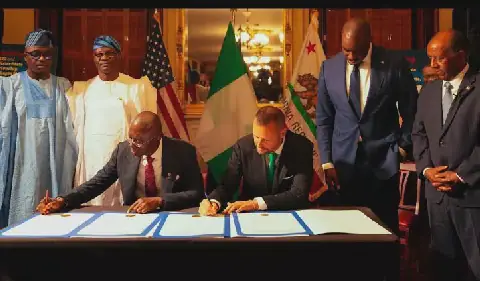
On March 10, 2023, the government signed Master Framework Agreements with Aramco Trading Fujairah FZE, ADNOC Global Trading Ltd, and ENOC Singapore to supply refined petroleum on 180-day credit. This structure was intended to lessen dollar demand and enable Kenya to build up its foreign-exchange reserves. As a result, renegotiated freight and premium rates decreased, with the premium for Super Petrol dropping from $97.50 to $84 per tonne, diesel from $118 to $78, and Jet A1 from $114.25 to $97.
Under the G-to-G framework, payments are made in Kenyan shillings and secured by 180-day letters of credit. Wandayi stated that this mechanism has consistently ensured a steady supply of fuel and helped stabilize the US-dollar/Kenyan-shilling exchange rate. The arrangement has also allowed Kenya to maintain a stable fuel supply, which is essential for the country's economy and transportation sector.
Wandayi added that the G-to-G deal is part of Kenya's strategic regional ambitions to become a logistics hub. The plan is to channel refined petroleum through the Northern Corridor to serve East Africa and the Great Lakes region. This move is expected to boost Kenya's economy and reinforce its position as a regional leader in trade and commerce.
The defence of the G-to-G deal comes amid renewed scrutiny of the arrangement, following comments from Ugandan President Yoweri Museveni on fuel imports via Kenyan middlemen. Despite this, Wandayi remains confident that the G-to-G deal has been beneficial for Kenya, citing improved fuel supply, lower premiums, and reduced pressure on foreign-exchange reserves.
The G-to-G fuel import arrangement has been in operation since 2023, and its impact on Kenya's economy and fuel supply has been significant. With the deal in place, Kenya has been able to maintain a stable fuel supply, reduce its demand for foreign currency, and support its foreign-exchange reserves. As the country continues to navigate the complexities of the global fuel market, the G-to-G deal is likely to remain an essential component of its energy strategy.
Key points
- The G-to-G fuel import deal has helped Kenya maintain a steady supply of fuel, reduce demand for foreign currency, and support its foreign-exchange reserves.
- The arrangement has also enabled Kenya to add roughly $500 million to its foreign-exchange reserves each month.
- The G-to-G deal is part of Kenya's strategic regional ambitions to become a logistics hub, with plans to channel refined petroleum through the Northern Corridor to serve East Africa and the Great Lakes region.