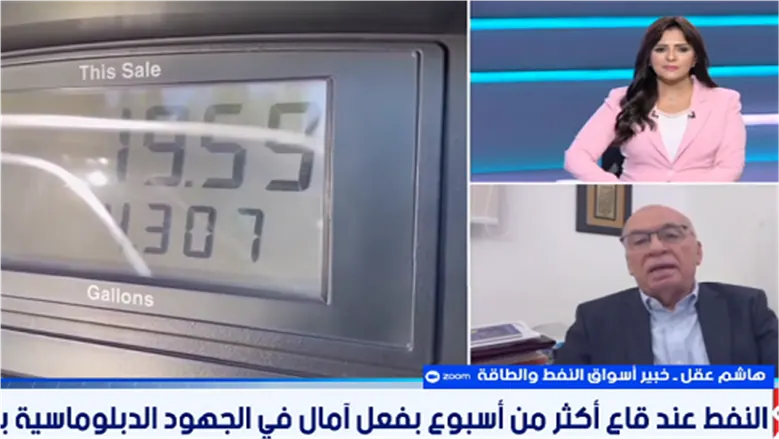
A prominent energy expert, Hisham Aql, has warned that the global energy crisis has evolved from a simple spike in oil prices to a comprehensive crisis encompassing shipping, insurance, transportation, and tanker availability. He noted that the difficulty in delivering oil products to consumers, particularly in Europe and East Asia, has led to a shortage and sharp price increases. This crisis has far-reaching implications for the global economy.
According to Aql, the cost of shipping a barrel of oil has skyrocketed from $3-4 to nearly $12, while some large tanker rates have reached $700,000 per day due to increased navigation risks. The crisis is most pronounced in the shortage of petroleum derivatives, particularly diesel, which has been exacerbated by the disruption of 5 million barrels of derivatives from the Gulf region. Additionally, 30-40% of Russian oil refineries have been shut down, reducing refining capacity.
Europe is facing significant pressure due to a shortage of gas, according to Aql. In contrast, Asian countries such as Japan and South Korea have resorted to securing gas supply deals. European countries are seeking to diversify their sources by increasing imports from the United States, Algeria, and African countries. This shift in strategy aims to mitigate the impact of the energy crisis on the region.
Aql emphasized that the surge in energy and gas prices exacerbates inflation and living costs, prompting governments to increase support, which may lead to higher budget deficits and debt. He noted that central banks face a challenging equation, as raising interest rates to curb inflation may lead to reduced investment and growth, while maintaining low interest rates may fuel inflationary pressures.
The ongoing energy crisis has significant implications for the global economy, with Aql warning that it may lead to a recession. He stressed that the situation is dire, with many countries struggling to cope with the shortage of essential energy supplies. The crisis has highlighted the need for countries to diversify their energy sources and reduce their reliance on imported fuels.
Aql's warnings come as the global energy landscape continues to deteriorate. The crisis has far-reaching implications for the global economy, with many countries facing significant challenges in securing essential energy supplies. The situation is likely to remain volatile, with prices expected to fluctuate in response to changing market conditions.
As the energy crisis deepens, governments and policymakers are under pressure to respond effectively to the situation. Aql's comments highlight the need for a coordinated response to address the crisis, which requires a comprehensive approach that balances the need to ensure energy security with the imperative to mitigate the impact of the crisis on the global economy.
Key points
- Europe faces significant pressure due to a shortage of gas.
- Asian countries such as Japan and South Korea have resorted to securing gas supply deals.
- The energy crisis has significant implications for the global economy, with many countries facing challenges in securing essential energy supplies.