The recent revocation of a 10% IRS tax reduction on moderate rents in Portugal has prompted landlords to consider withdrawing their properties from the rental market. According to a barometer by the Lisbon Property Owners Association (ALP), 35.5% of respondents admitted to considering removing their properties from the rental market, while 14.8% are contemplating selling them. This development has significant implications for the rental market in Portugal.
The ALP barometer, which collected 759 responses between November 20 and 23, also found that 36.3% of respondents are considering delaying new contracts or revising their investments and renovations. Luís Menezes Leitão, president of the ALP, stated that landlords are not only expressing discontent with the tax increase but are also reconsidering the presence of their properties in the market. This shift in sentiment may have far-reaching consequences for the rental market.
The uncertainty surrounding the rental market is further exacerbated by concerns about the new Simplified Regime of Accessible Renting (RSAA). According to the barometer, 75.4% of respondents believe that the tax benefits of the RSAA will also be altered or revoked. José Luís Carneiro, secretary-general of the PS, had previously suggested that the RSAA could be an alternative for landlords affected by the revocation of the 10% tax.
However, the ALP notes that the proposed alternative has a credibility problem, given that the 10% tax was revoked just six months after its introduction, despite being slated to remain in effect until the end of 2029. Luís Menezes Leitão questioned how citizens could be convinced to adhere to new fiscal incentives when previous ones had demonstrated fragility. This skepticism may hinder the effectiveness of the RSAA.
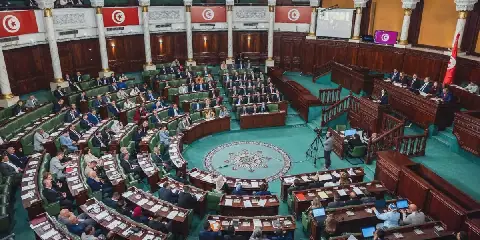
The ALP attributes the loss of confidence among property owners to the PS, citing a "central political responsibility" for the situation. The association also notes that the Chega party, which supported the revocation, will have to explain its decision. According to the ALP, the Assembly of the Republic can revoke a fiscal incentive but cannot restore the confidence that its decisions have compromised.
The barometer also found that 92.8% of respondents reported a significant decrease in confidence, with 64.6% stating that their confidence had been "shattered." When asked about the primary effect of successive changes in fiscal and rental policies, 44.2% pointed to increased rents or decreased available housing, while 40.5% cited the loss of confidence in market rules.
The ALP emphasizes that the barometer's results are based on voluntary responses and are not representative of the entire population of Portuguese property owners. The association notes that the responses regarding property withdrawal, sale, or investment are declared intentions rather than actual decisions. Nevertheless, the findings suggest a significant shift in sentiment among landlords, which may have implications for the rental market in Portugal.
Key points
- Landlords in Portugal are considering exiting the rental market after the government revoked a 10% IRS tax reduction on moderate rents.
Reporting sources
- Fim da taxa de IRS de 10% leva senhorios a ponderar sair do arrendamento · Vida Imobiliária