A recent study conducted at the neurology department of Ignace Deen University Hospital in Conakry, Guinea, has shed light on the epidemiological, clinical, and etiological aspects of encephalitis in the region. The research, which reviewed 1,267 patient files from January 1, 2020, to December 31, 2023, identified 42 cases of encephalitis. This represents a hospital frequency of 13.1% among infectious pathologies. The study's findings emphasize the need for improved diagnostic tools and timely treatment.
The study's demographic analysis revealed that the mean age of patients was 42.8 years, with a range of 6-69 years, and a male predominance of 61.9%. The primary reasons for consultation were fever (92.9%), altered consciousness (85.7%), and seizures (73.8%). The average consultation delay was 9.3 days, indicating a notable delay in seeking medical attention. Medical history among patients was dominated by gastritis (26.2%), hypertension (21.4%), and HIV (16.7%).
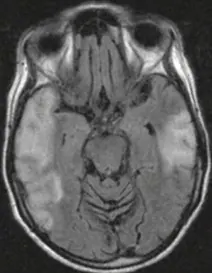
Imaging studies, including CT and MRI scans, showed distinct patterns. Temporal (50%) and diffuse (42.9%) hypodensities predominated on CT scans, while MRI revealed temporal (26.1%) and diffuse (35.7%) hyperintensities. Cerebrospinal fluid (CSF) analysis revealed pleocytosis (78.3%) and hyperproteinorachia (52.3%), further supporting the diagnosis of encephalitis.
The study's etiological analysis found that viral etiologies predominated (47.6%), with HSV-1 being the most common (33.3%). These findings are consistent with previous studies in the region and highlight the importance of considering viral encephalitis in the differential diagnosis. The study's results also underscore the need for improved access to diagnostic tools, such as PCR and MRI, to facilitate timely and accurate diagnosis.
The clinical presentation of encephalitis in the study population was characterized by a range of symptoms, including fever, altered consciousness, seizures, and focal neurological deficits. The study's findings emphasize the importance of a high index of suspicion for encephalitis in patients presenting with these symptoms. Early diagnosis and treatment are critical in improving outcomes for patients with encephalitis.
The study's authors note that the findings have significant implications for public health policy and clinical practice in Guinea and the wider region. Strengthening access to diagnostic tools and improving the quality of care for patients with encephalitis are essential steps in reducing the burden of this disease. Further research is needed to better understand the epidemiology and etiology of encephalitis in Sub-Saharan Africa.
The study's results are consistent with previous research on encephalitis in tropical regions. The findings highlight the need for continued surveillance and research into the causes and consequences of encephalitis in Guinea and the wider region. By improving our understanding of this disease, healthcare providers and policymakers can develop more effective strategies for prevention, diagnosis, and treatment.
Key points
- Viral etiologies, mainly HSV-1, are the most common cause of encephalitis in Conakry, Guinea.
- The study highlights the need for improved access to diagnostic tools, such as PCR and MRI, to facilitate timely and accurate diagnosis.
- Encephalitis affects a young adult population in Conakry, with a male predominance and notable consultation delay.