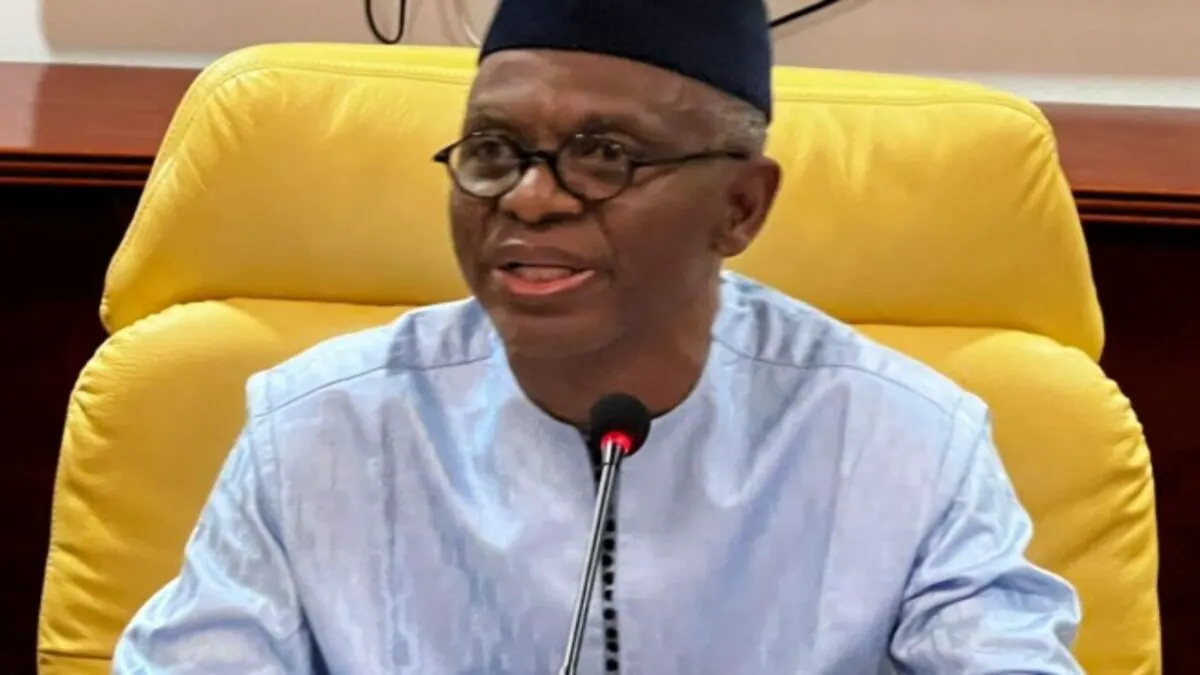
The Emir of Kano, Alhaji Muhammadu Sanusi II, has expressed concerns over the prolonged detention of former Kaduna State governor, Nasir El-Rufai, sparking debate over Nigeria's anti-corruption efforts. In an interview with Channels Television, Sanusi questioned the consistency of the anti-corruption campaign, citing El-Rufai's case as an example. El-Rufai has been in detention for seven months without being convicted. Sanusi's remarks have raised questions about the effectiveness of Nigeria's institutions in investigating and prosecuting corruption cases.
Sanusi argued that enacting laws to combat corruption was not enough without effective enforcement by institutions responsible for investigating, prosecuting, and trying corruption cases. He alleged that some corruption cases had been dropped due to the suspects' political connections or influential backing. This, he said, had created a perception that the anti-corruption campaign was not being applied consistently. Sanusi's comments have sparked a renewed debate over the role of politics in Nigeria's anti-corruption efforts.
The Emir of Kano cited El-Rufai's case, describing the former governor as his brother, and questioned why he had allegedly been denied bail. Sanusi's concerns over El-Rufai's detention have raised questions about the fairness of the trial process. El-Rufai is facing trial over allegations including corruption and money laundering. His detention has sparked concerns over the use of prolonged detention as a tool for silencing political opponents.
Sanusi said developments such as El-Rufai's case could lead members of the public to question the motive behind some anti-corruption proceedings. He asked whether the anti-corruption campaign was genuinely aimed at tackling corruption or was being used as a political tool. Sanusi's comments have sparked a renewed debate over the need for transparency and accountability in Nigeria's anti-corruption efforts.
The Emir of Kano said Nigeria would make little progress until politicians and those in positions of authority, including those responsible for the judiciary, decided to apply the laws for which they were enacted. Sanusi emphasized the need for institutions to be independent and effective in enforcing the laws. He warned that without this, people with the right political connections could evade accountability.
Sanusi added that while reviewing the laws was a positive step, greater attention should also be given to the institutions responsible for enforcing them. He emphasized the need for a comprehensive approach to tackling corruption, including strengthening institutions and ensuring accountability. Sanusi's comments have sparked a renewed debate over the need for institutional reform in Nigeria.
El-Rufai's experience has made him reconsider some of his relationships, noting that some friends and associates remained silent during his trial. His case has sparked concerns over the impact of prolonged detention on individuals and their families. The case has also raised questions about the effectiveness of Nigeria's justice system in ensuring fairness and accountability.
Key points
- Emir Sanusi questions the consistency of Nigeria's anti-corruption campaign, citing El-Rufai's prolonged detention as an example.
- Sanusi emphasizes the need for effective enforcement of laws by institutions responsible for investigating, prosecuting, and trying corruption cases.
- The Emir of Kano calls for a comprehensive approach to tackling corruption, including strengthening institutions and ensuring accountability.