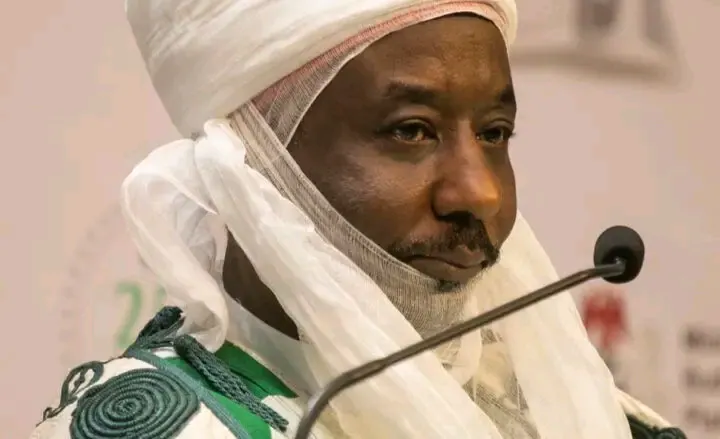
The Emir of Kano, Muhammadu Sanusi II, has expressed concerns over Nigeria's anti-corruption efforts, highlighting the continued detention of former Kaduna State governor, Nasir El-Rufai. In an interview with Channels Television, Sanusi emphasized that having laws against corruption is not enough; institutions responsible for investigation, prosecution, and adjudication must ensure proper implementation. He cited El-Rufai's seven-month detention without conviction as a case in point. Sanusi's comments come amid growing concerns about the consistency and fairness of Nigeria's anti-corruption campaign.
Sanusi stressed that some corruption cases have been dropped due to suspects' political connections or their belonging to the "right political environment." He noted that this has raised questions about whether the anti-corruption campaign is being applied consistently or used against political opponents. The Emir's concerns echo those of many Nigerians who are skeptical about the government's commitment to fighting corruption. Sanusi's comments have sparked a renewed debate about the need for institutional reforms to ensure that anti-corruption laws are enforced fairly and consistently.
The Emir specifically mentioned El-Rufai's case, saying his prolonged detention could fuel public concerns about the motive behind the prosecution. Sanusi questioned whether the anti-corruption campaign is genuinely aimed at fighting corruption or if it is being used as a tool for political persecution. He emphasized that political office holders and the judiciary must ensure that laws are used for their intended purposes. Sanusi's remarks have been seen as a challenge to the government's anti-corruption efforts, particularly in light of El-Rufai's continued detention.
Sanusi called for greater attention to the institutions enforcing anti-corruption laws, rather than focusing solely on reviewing existing legislation. He noted that the laws are only effective if the institutions responsible for implementing them are strong and independent. The Emir's comments highlight the need for institutional reforms to ensure that anti-corruption efforts are effective and sustainable. Sanusi's remarks have sparked a renewed debate about the need for comprehensive reforms to Nigeria's anti-corruption architecture.
The Emir made these comments on the sidelines of the launch of The Unexplained Wealth Trilogy, authored by Senior Advocate of Nigeria (SAN), Wahab Shittu, in Lagos. Sanusi's concerns about Nigeria's anti-corruption efforts have been echoed by many Nigerians who are calling for greater transparency and accountability in government. The Emir's comments have also sparked a renewed debate about the need for institutional reforms to ensure that anti-corruption laws are enforced fairly and consistently.
Sanusi emphasized that the handling of some corruption cases has raised questions about the consistency and fairness of Nigeria's anti-corruption campaign. He noted that some cases have been dropped due to suspects' political connections, while others have been pursued with vigor. The Emir's comments highlight the need for a more nuanced approach to fighting corruption, one that takes into account the complexities of Nigeria's political landscape.
The detention of Nasir El-Rufai has sparked concerns about the government's commitment to fighting corruption and the use of detention as a tool for political persecution. Sanusi's comments have added to the growing debate about the need for institutional reforms to ensure that anti-corruption laws are enforced fairly and consistently. The Emir's remarks have also sparked calls for greater transparency and accountability in government.
Key points
- Emir Sanusi questions Nigeria's anti-corruption efforts citing ex-governor Nasir El-Rufai's prolonged detention.
- Sanusi emphasizes the need for institutional reforms to ensure that anti-corruption laws are enforced fairly and consistently.
- The Emir calls for greater attention to the institutions enforcing anti-corruption laws, rather than focusing solely on reviewing existing legislation.