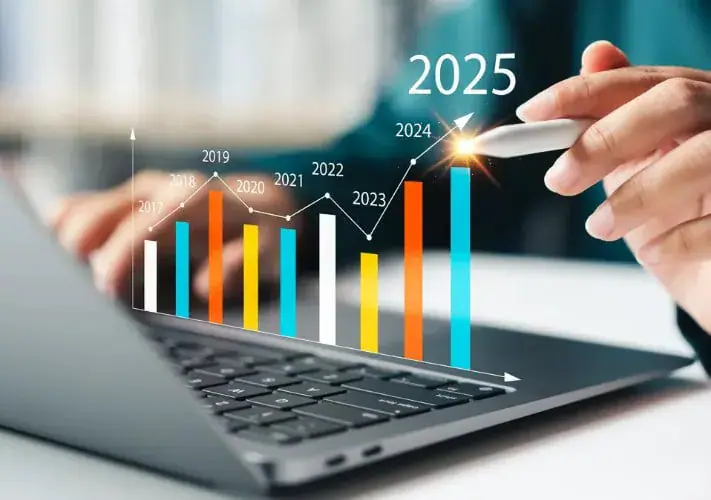
A recent study by the BRICS+ Thinking research center predicts that emerging economies will account for over half of the global GDP by 2034, with their share rising to 53% from 39% currently. This shift reflects the gradual transfer of economic weight from advanced countries to Asia. The study attributes this growth to narrowing productivity gaps and improving currency values. As a result, emerging economies are expected to play a more significant role in the global economy.
The report, cited by Reuters, forecasts that the BRICS+ group, comprising Brazil, Russia, India, China, South Africa, and new members, will increase its share of global GDP to 40% by 2050, up from 28% currently. According to Jim O'Neill, former Goldman Sachs economist and co-author of the report, this shift will make the global economic landscape more complex for policymakers. He emphasizes the need for a more open approach to emerging economies and their growing role.
India is expected to be one of the top performers among emerging economies in the coming decades. The report predicts that India's economy will reach $19.5 trillion by 2050, five-and-a-half times its current size. Indonesia and Mexico are also expected to join the list of the world's top 10 economies, while Italy is likely to drop out and Germany will slip from third to fourth place.
The report's long-term growth projections align with those of the International Monetary Fund, but with a greater focus on demographic trends, investments, and productivity. The estimates assume that the real value of emerging economies' currencies will appreciate as their income levels and economic growth improve. The calculations are based on 2021 prices and prevailing exchange rates.
The study highlights the significant implications of this shift for the global economy. As emerging economies continue to grow, they are likely to play a more substantial role in international trade, investment, and decision-making. This, in turn, may lead to changes in global economic governance and the way international institutions operate.
The growth of emerging economies is also expected to have a significant impact on the global balance of power. As countries like India, China, and Brazil continue to expand their economies, they are likely to exert greater influence on global affairs. This shift may lead to a more multipolar world, with emerging economies playing a more significant role in shaping international relations.
The report's findings emphasize the need for policymakers to adapt to the changing global economic landscape. As emerging economies continue to grow, they will require greater representation and involvement in international decision-making. The study's authors argue that a more inclusive and representative global economic order is necessary to reflect the growing importance of emerging economies.
Key points
- Emerging economies are expected to account for 53% of global GDP by 2034.
- The BRICS+ group is forecast to increase its share of global GDP to 40% by 2050.
- India, Indonesia, and Mexico are expected to be among the top performers among emerging economies.