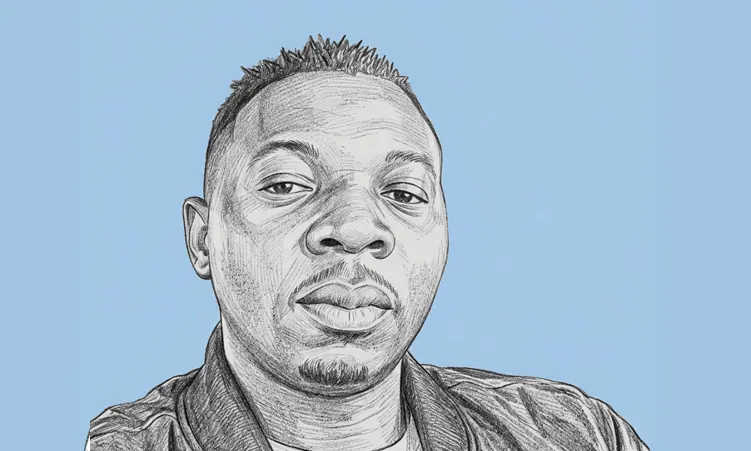
The integration of artificial intelligence in Namibia's music industry has sparked a heated debate, with some artists and fans condemning its use while others fear discussing it. However, music producer and industry expert, [name not provided], believes that Namibia should not fear AI in music, but rather learn to use it responsibly and allow artists and young creators to innovate. With AI increasingly becoming a part of the global music industry, Namibia needs to move beyond fear and have an open conversation about its possibilities.
The expert, who has been involved in music production since 2009, has witnessed technology continuously transforming music production. A personal experience that changed his thinking was his attitude towards auto-tune, which he initially avoided but later realized was limiting his creativity. This experience taught him that technology itself is not the problem, but how it is used. He now sees AI as another creative tool that can help young musicians with ideas, producers with arrangements, and artists with different sounds and styles.
AI can assist songwriters, producers, and artists, but the human creator still provides the concept, message, direction, and final creative decisions. A local example is DJ Lics from Katima Mulilo, who uses AI to create music while developing his own lyrical ideas. His music has attracted attention and given people something to listen to, discuss, and dance to. His songs address subjects such as love, family, and everyday life, demonstrating why AI-assisted music should not be automatically dismissed.
The expert raises an important question: why do people's attitudes change when they discover that AI was used in a song's creation? A listener may enjoy a song, dance to it, and share it, but once they discover AI was involved, they may reject it. The song itself has not changed, only the listener's perception of the production process. This is why the expert believes that AI-assisted music should be judged based on its creative outcome and responsible use of technology.
The fear of being judged or rejected may prevent some Namibian musicians from openly acknowledging their use of AI. This fear can prevent meaningful discussion and learning, and the expert believes that Namibia needs to have a mature conversation about AI in music. AI is not going away, and avoiding the conversation will only hinder the industry's growth and innovation.
The expert's call to action is to encourage Namibian musicians and music enthusiasts to embrace AI as a creative tool. By doing so, they can explore new sounds, styles, and production techniques, ultimately contributing to the growth and development of the music industry. It is essential to focus on the creative outcome and responsible use of AI, rather than fearing its use.
Ultimately, the integration of AI in Namibian music is an opportunity for growth, innovation, and creativity. By having an open and mature conversation about AI, Namibia can ensure that its music industry remains relevant and competitive in the global market. The expert's message is clear: it is time for Namibia to embrace the future of music and harness the potential of AI.
Key points
- Namibian music industry urged to adopt AI as a creative tool
- AI-assisted music should be judged based on its creative outcome and responsible use of technology
- Fear of being judged or rejected prevents some musicians from openly acknowledging AI use