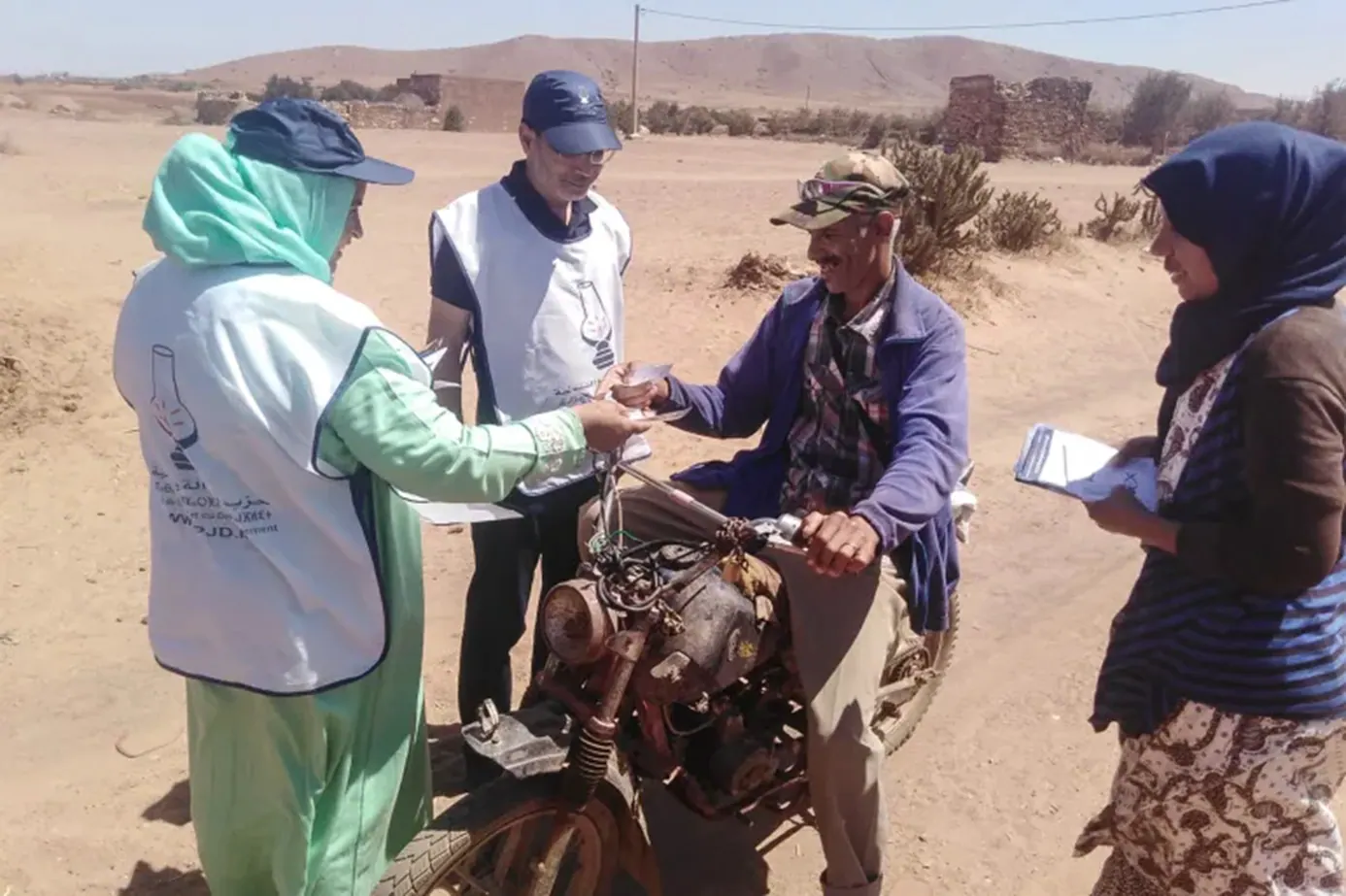
In Morocco, elections tend to focus on areas with high concentrations of vulnerable populations, including the poor, illiterate, and elderly. These areas often include popular markets, informal settlements, and neighborhoods with high levels of poverty. This approach to campaigning has been observed in various parts of the country, where politicians prioritize reaching out to these groups over more affluent and educated populations.
Unlike countries with a long history of democratic elections, such as Switzerland, where voter turnout is highest among educated and affluent citizens, Morocco's electoral landscape is characterized by low levels of participation from these groups. In fact, countries like Egypt, India, Bangladesh, and Pakistan exhibit similar patterns, where the poor and less educated are more likely to participate in elections.
The youth, particularly those from disadvantaged backgrounds, have expressed their political views and demands through various forms of protest, including the "Generation Z" movement. Although these protests were often marked by violence and vandalism, they represented a significant expression of discontent and a call for change.
Despite these trends, Moroccan political parties continue to focus their campaigns on popular markets, weekly souks, and informal settlements, rather than engaging with more educated and affluent citizens. This approach has been criticized for neglecting the needs and concerns of more educated and economically secure populations.
The persistence of illiteracy in Morocco remains a significant challenge, with nearly a quarter of citizens unable to read or write. This has limited the country's ability to engage in meaningful political discourse and has contributed to a lack of critical thinking and civic engagement.
The phenomenon of "hergwati" or electoral manipulation has become increasingly common in Moroccan cities, where voters are often pressured or coerced into supporting particular candidates. This has further eroded trust in the electoral process and reinforced the perception that elections are often used as a means of maintaining the status quo.
Ultimately, Morocco's electoral system appears to perpetuate a cycle of disenfranchisement and disempowerment, particularly among more educated and affluent citizens. To address these issues, significant reforms are needed to promote greater civic engagement, transparency, and accountability in the electoral process.
Key points
- Moroccan elections often target vulnerable populations, including the poor, illiterate, and elderly.
- The country's electoral landscape is characterized by low levels of participation from educated and affluent citizens.
- Significant reforms are needed to promote greater civic engagement, transparency, and accountability in the electoral process.


