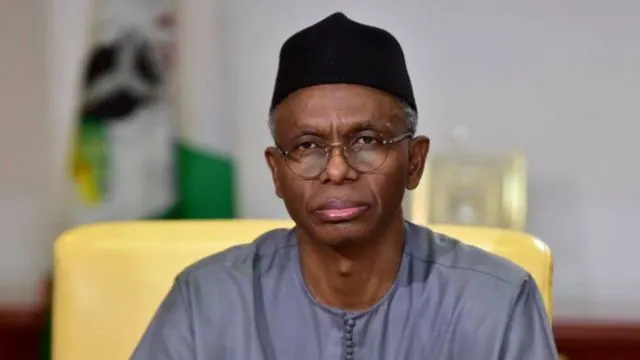
Former Kaduna state governor Nasir Ahmad El-Rufai has addressed concerns over the silence of some of his former colleagues, friends, and family members amid his current legal challenges. In a personal statement, El-Rufai said adversity has given him a clearer perspective on some of his relationships. He spoke of standing by people during difficult moments, sometimes at a considerable personal cost, but insisted that he never offered such support with the expectation of reciprocity.
El-Rufai's statement comes as he faces ongoing legal proceedings, including a Federal High Court case in Abuja over alleged unlawful interception of telephone communications. The court has reserved ruling on his no-case submission and fixed October 26, 2026, for the ruling. El-Rufai has pleaded not guilty to the charge. He reflected on his past relationships, saying his conduct towards colleagues, friends, family members, and causes he believed in had largely been guided by his Islamic faith, personal values, and conscience.
The former governor acknowledged that some of the people he had previously supported might respond differently now that circumstances had changed. He said some might choose to speak publicly, others could remain silent, while some might even distance themselves from previous relationships or seek to present those relationships differently. El-Rufai added that he did not intend to judge people merely because their response to his current situation differed from what he or others might have expected.
El-Rufai said those decisions were freely made and that he remained personally responsible for them. He also acknowledged that his current circumstances had changed the way he viewed some relationships. "Adversity has a way of illuminating relationships," he said, explaining that what he had learnt during the difficult months could lead him to quietly reconsider the nature of certain relationships.
Despite the apparent withdrawal or silence of some people around him, El-Rufai said he had no regrets about the support he had offered in the past. He maintained that whenever he stood by an individual or a cause, he did so because he genuinely believed it was the right thing to do at the time. El-Rufai also said he bore no resentment towards those who had chosen not to extend similar support to him in his present circumstances.
El-Rufai ruled out seeking revenge or retribution, stressing that he would leave questions of ultimate accountability to God. He said he was not interested in retaliation, adding that he believed ultimate accountability belonged to Almighty Allah, both in this world and in the Hereafter. This position reinforces the tone of his statement, which does not directly accuse any named individual of wrongdoing.
El-Rufai concluded his reflection by shifting attention from the immediate reactions of his associates to the longer judgment of history and personal conscience. He said everyone would ultimately have to live with the choices they made, while posterity would determine how those choices were remembered. The former governor added that his principal concern was to remain at peace with his conscience and, above all, with Almighty Allah.
Key points
- Former Kaduna governor Nasir El-Rufai has addressed concerns over the silence of some of his former colleagues, friends, and family members amid his current legal challenges.
- El-Rufai said he had no regrets about the support he had offered in the past and bore no resentment towards those who had chosen not to extend similar support to him in his present circumstances.
- The former governor ruled out seeking revenge or retribution, stressing that he would leave questions of ultimate accountability to God.