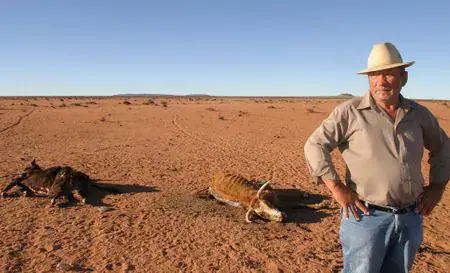
South Africa is bracing for a hotter and drier summer due to an intense El Niño, posing risks to farmers. Despite this, planting of summer grain and oilseed crops is progressing well, thanks to improved soil moisture from recent rains. Wandile Sihlobo, South Africa's Agriculture and Land Envoy, notes that farmers are taking advantage of current soil conditions to plant crops early. This comes as forecasters predict one of the most intense El Niño periods, leading to a drier and hotter summer season through to the first quarter of 2027.
The Crop Estimates Committee's farmers' intention-to-plant data, released on October 27, 2026, shows that farmers intend to plant 4.5 million hectares of summer grain and oilseed, a 2% decrease from the previous year but aligned with the five-year average. This includes maize, sunflower seed, soybeans, groundnuts, sorghum, and beans. While year-on-year declines are expected, farmers seem to be maintaining decent area plantings despite the El Niño-induced drought and higher input costs.
A record 17.7-million-tonne maize harvest in the 2025-26 production year has provided a cushion against potential supply pressures. This harvest, up 6% year on year, is the largest on record. Combined with roughly 2.4 million tonnes of stocks at the start of the season, South Africa's available supplies are substantial, against an annual maize consumption of 12 million tonnes.
The ample maize harvest and stocks have helped keep maize prices relatively lower, despite fears of an El Niño drought. As of October 30, 2026, white and yellow maize prices were around R3,700 per tonne and R3,800 per tonne, respectively, below the levels of over R4,000 per tonne seen previously. However, prices are expected to rise as the season continues and maize demand in southern Africa picks up.
While the current situation is favorable for consumers, farmers are facing higher input costs, which may be affected by the relatively lower prices. Nevertheless, the key point is that South Africa has ample grain supplies, which will continue to cushion consumers and the animal feed industry over the coming months.
Major risks remain for crop yields, and the weather outlook will be closely monitored to gauge the season's outcome. The season's outcome will influence grain and oilseed supplies from mid-year 2027, with the country relying mostly on available summer grain supplies from the 2025-26 season during the first quarter and, to an extent, the second quarter of 2027.
Wandile Sihlobo, author of "Balance and Reason: A Growth Path for South Africa’s Agriculture," notes that the current situation is being closely watched, with his book set to be released on November 9, 2026. As the heatwave intensifies across South Africa, households are feeling the impact, but the focus remains on the farming sector and its response to the El Niño weather patterns.
Key points
- A record 17.7-million-tonne maize harvest has provided a cushion against potential supply pressures.
- Ample grain supplies will continue to cushion consumers and the animal feed industry over the coming months.
- Maize prices have remained relatively lower due to the ample supplies, but are expected to rise as the season continues.