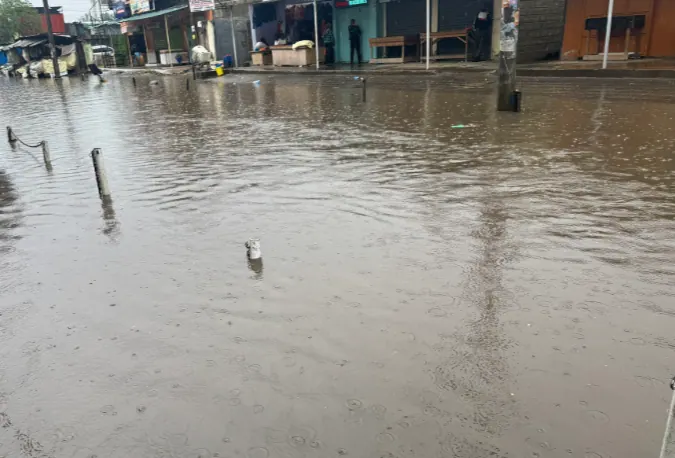
The Kenya Meteorological Service has announced that the country has formally entered the October-December rainfall season, with wetter-than-normal conditions expected in several parts of the country. Acting head of the Kenya Meteorological Service Authority Edward Muriuki said rains had started in parts of 24 counties, including the Coast, western Kenya, and the Rift Valley, and would continue spreading to other areas.
Muriuki urged farmers to rely on detailed forecasts issued by county meteorological officials, as the onset and intensity of the rains would vary across regions. He said county-specific weekly and monthly forecasts were available from the offices of respective county directors of Meteorological Services. The remaining counties are expected to receive the rains next week or the following week, with Turkana and Samburu expected to be the last to experience the onset in the third or fourth week of October.
Rains have already started in several counties, including Nandi, Kakamega, Vihiga, Bungoma, Siaya, Busia, Baringo, Nakuru, Trans Nzoia, Uasin Gishu, Elgeyo Marakwet, West Pokot, Kisii, Nyamira, Kericho, Bomet, Kisumu, Homa Bay, Migori, and Narok. The Coast counties of Mombasa, Kwale, Lamu, and Kilifi, as well as the Tana Delta, are also experiencing the onset. In Marsabit, Mandera, Wajir, Garissa, and Isiolo, rains are expected to begin in the first or second week of October.
The Met has warned that above-average rainfall could improve soil moisture, support land preparation and planting, regenerate pasture, and improve water availability for livestock. However, it also warned that excessive rainfall could cause waterlogging, crop diseases, disruption of farm operations, and difficulties transporting agricultural produce. The agency expects particularly heavy rainfall in parts of the Coast and northeastern Kenya.
Muriuki said temperatures would also remain warmer than average across the country. The October-December season is influenced by several climate systems, including El Niño and the Indian Ocean Dipole (IOD), which measures differences in sea temperatures between the western and eastern tropical Indian Ocean. The World Meteorological Organisation expects a positive IOD to develop during the September-November period alongside strengthening El Niño conditions.
Muriuki cautioned against treating El Niño as the sole determinant of rainfall, saying that rainfall is influenced by several climate systems, including El Niño and the Indian Ocean Dipole. The rains are expected to continue into January in many central, western, and eastern counties. In Marsabit, Mandera, Wajir, Garissa, and Isiolo, the season is expected to end in the first or second week of December.
The Met has warned of possible flooding, waterlogging, and landslides, advising residents in low-lying areas and near rivers to take the forecast seriously. Turkana and Samburu are expected to record poor to fair rainfall despite the wider wetter-than-normal outlook.
Key points
- El Niño rains are expected to hit Kenya from next week, with wetter-than-normal conditions expected in several parts of the country.
- The Kenya Meteorological Service has warned of possible flooding, waterlogging, and landslides, advising residents in low-lying areas and near rivers to take the forecast seriously.
- The October-December season is influenced by several climate systems, including El Niño and the Indian Ocean Dipole (IOD).