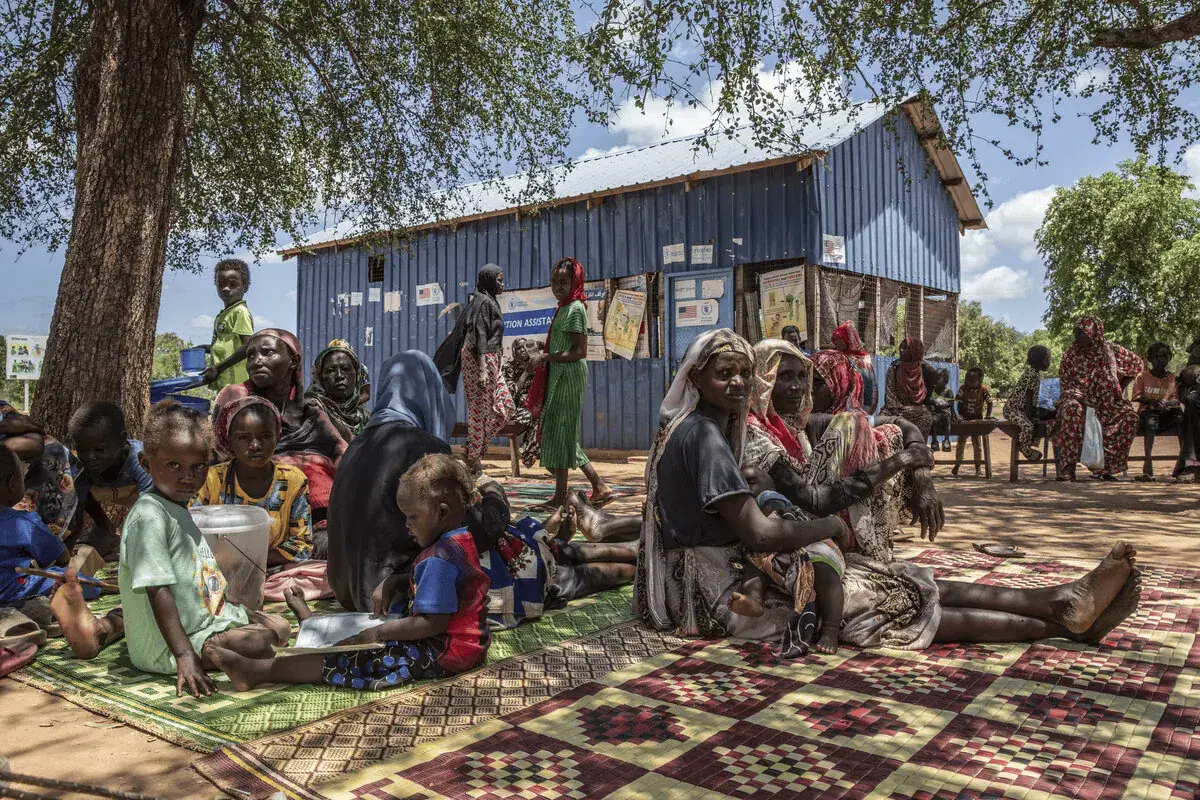
The Food and Agriculture Organization of the United Nations (FAO) and the United Nations World Food Programme (WFP) have identified 16 hunger hotspots worldwide where acute food insecurity is projected to worsen significantly between December 2026 and May 2027. El Niño has pushed Southern Africa and the Central American Dry Corridor onto the list, with Southern Africa's drier and hotter conditions threatening planting, farm work, and future harvests. Up to 3 million people in Zimbabwe, 2.6 million in Malawi, and 1.8 million in Mozambique are projected to face high levels of acute food insecurity.
The latest Hunger Hotspots report, released twice a year through the Global Network Against Food Crises, lists 16 hotspots, up from 13 in June. El Niño is a major driver behind three of the four newly identified hotspots: Southern Africa, the Central American Dry Corridor, and northeastern Uganda. Chad has been added to the list due to the continued spillover effects of the conflict in neighboring Sudan. The report warns of a risk of famine in parts of Sudan and South Sudan.
In the Central American Dry Corridor, the 2026 Primera season was the driest in four decades, with crop losses topping 75 percent in many areas. As food stocks run out, the 2027 lean season could start early. In Guatemala alone, 3.2 million people are projected to face high levels of acute food insecurity between October 2026 and February 2027. FAO and WFP are calling for urgent humanitarian action across all 16 hotspots, above all where a risk of famine has been identified.
Conflict and armed violence remain among the primary drivers of acute food insecurity in 12 of the 16 hotspots, including all five hotspots of highest concern: Sudan, South Sudan, Somalia, parts of Nigeria, and Yemen. In four of these five hotspots, the latest analyses identified or projected people facing Catastrophe, the most severe phase of the Integrated Food Security Phase Classification (IPC), marked by starvation and death.
The most severe situations are in Sudan and South Sudan, where the risk of famine has been identified. Under a reasonable worst-case scenario, there is a risk of famine in 13 areas of North Darfur and South Kordofan in Sudan through January 2027, while in two camps for displaced people in South Darfur, acute malnutrition levels have already exceeded famine thresholds. In South Sudan, the latest available analysis indicated a risk of famine in four counties of Upper Nile and Jonglei states through July 2026.
Despite the severity of the situation, funding for humanitarian assistance for food security and nutrition in these hotspots fell by 62 percent, from USD 5.1 billion in 2022 to USD 2.0 billion in 2025. FAO and WFP are urging for safe, unimpeded access to people in need. “El Niño is intensifying, threatening crops and harvests in already vulnerable regions and increasing the risk of acute food insecurity,” said FAO Director-General QU Dongyu.
FAO and WFP are working together to protect 9 million people in 22 countries through a joint El Niño anticipatory action plan. The plan aims to prevent damage to harvests, livestock, and incomes. WFP Executive Director Luke J. Lindberg emphasized the need for urgent action, stating, “I’ve called upon all nations to banish famine to the history books. This report tells us where famine could strike next, so the timing to follow through on our commitment is now.”
Key points
- El Niño is intensifying, threatening crops and harvests in vulnerable regions.
- 16 hunger hotspots identified worldwide, with a risk of famine in parts of Sudan and South Sudan.
- Funding for humanitarian assistance in hotspots fell by 62 percent between 2022 and 2025.