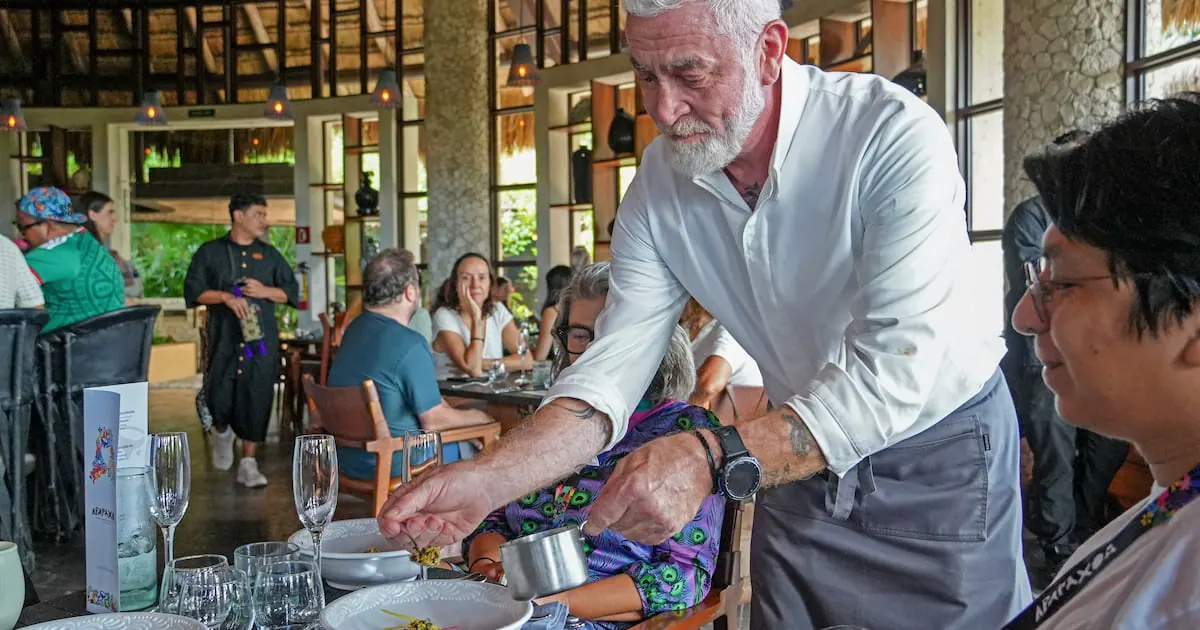
The world's top chefs are bracing for the impact of a record-breaking El Niño on global food systems, with droughts, floods, and heatwaves expected to disrupt ingredient availability, quality, and prices. At the Apapaxoa gastronomic festival on Mexico's Caribbean coast, culinary stars discussed the challenges posed by the climate phenomenon. United Nations experts have predicted an exceptionally strong cycle of El Niño, which causes global changes in winds and rainfall, leading to erratic weather conditions.
Brazilian chef Alex Atala, whose Sao Paulo restaurant D.O.M. is known for its Amazonian-inspired cuisine, has been adjusting his menu weekly due to changing ingredient availability. "In the last three years, I've been creating an annual menu that I end up adjusting many times, almost weekly, because certain products aren't available," Atala said. Ants, a popular ingredient in his restaurant, are now only available for customers who specifically request them.
El Niño can also disrupt transportation, leading to delayed and spoiled ingredients, Atala added. Flooded roads or wildfires can delay the delivery of fresh products, affecting the quality and availability of ingredients. This can have a ripple effect on the entire food system, leading to cultural losses and changes in traditional cuisine.
Spanish chef Quique Dacosta, whose restaurant in Denia was affected by torrential rain in 2024, emphasized the impact of extreme weather events on the food industry. The storm caused significant damage to vineyards, orange groves, and rice plots, essential for traditional paella. Dacosta noted that footfall also takes a hit during stormy seasons, as fearful customers cancel their reservations.
While El Niño ramps up weather conditions in some parts, it produces a vacuum in others. Mexican chef Roberto Solis noted that this is the first year without hurricanes in the Mexican Caribbean, which can affect seafood dishes at his restaurant Huniik. Hurricanes typically carry moisture and move ocean currents and plankton, impacting the availability of certain ingredients.
Danish chef Rasmus Munk is experimenting with chocolate alternatives due to the pressure on the chocolate market. His Copenhagen restaurant Alchemist is using brewer's spent grains to create non-chocolate products, providing a local alternative. Japanese cooks are also working with a new selection of seafood, as El Niño has altered ocean migratory routes.
The impact of El Niño on global food systems is a pressing concern for the culinary greats gathered in Mexico. Chefs are calling for future food resilience and stressing the gravity of the situation to customers. Dominique Crenn, a French-born chef in San Francisco, warned that El Niño "is changing everything," while Alvaro Clavijo expressed concerns about water shortages and rationing in Colombia.