The humanitarian crisis in South Sudan is being compounded by El Niño, which is expected to bring increased risks of drought and flooding to the region. According to the United Nations Office for the Co-ordination of Human Affairs (OCHA), a stronger El Niño is expected to hit the region in late 2026. This is particularly concerning for South Sudan, where existing fragility is being pushed to a breaking point. The country's complex protracted fragility is being exacerbated by conflict, displacement, flooding, economic instability, weak institutions, food insecurity, and climate change.
The situation in South Sudan is dire, with 7.8 million people facing extreme hunger, according to findings from April this year. In some areas, conditions have worsened, with 73,300 people now facing starvation. The statistics highlight the severity of the crisis, but also the resilience of the people. Women, girls, and children are remaining resilient in the face of overwhelming challenges. However, the crisis is not limited to hunger, as South Sudan is also grappling with its largest ever cholera outbreak and the risk of Ebola spreading from neighbouring Democratic Republic of Congo.
The country's healthcare system is struggling to cope with the crisis, with less than half of the population having access to primary healthcare. Treatable illnesses are rapidly becoming life-or-death situations without nearby clinics or staff to treat them. The situation is being further complicated by a shortage of humanitarian resources, as aid budgets are being cut and development funding is under pressure. This is resulting in fewer health services, decreased necessities like food and water, and reduced protection for women and girls.
Despite the scale of need, the situation in South Sudan is receiving limited international attention. Humanitarian organisations working on the ground have seen firsthand the dangers of abandoning those most vulnerable during climate shocks. Without immediate global action, climate shocks will only continue to spread. The international community has a role to play in addressing the crisis, particularly given that countries like South Sudan have contributed least to global emissions but are paying the highest price for a crisis they did little to create.
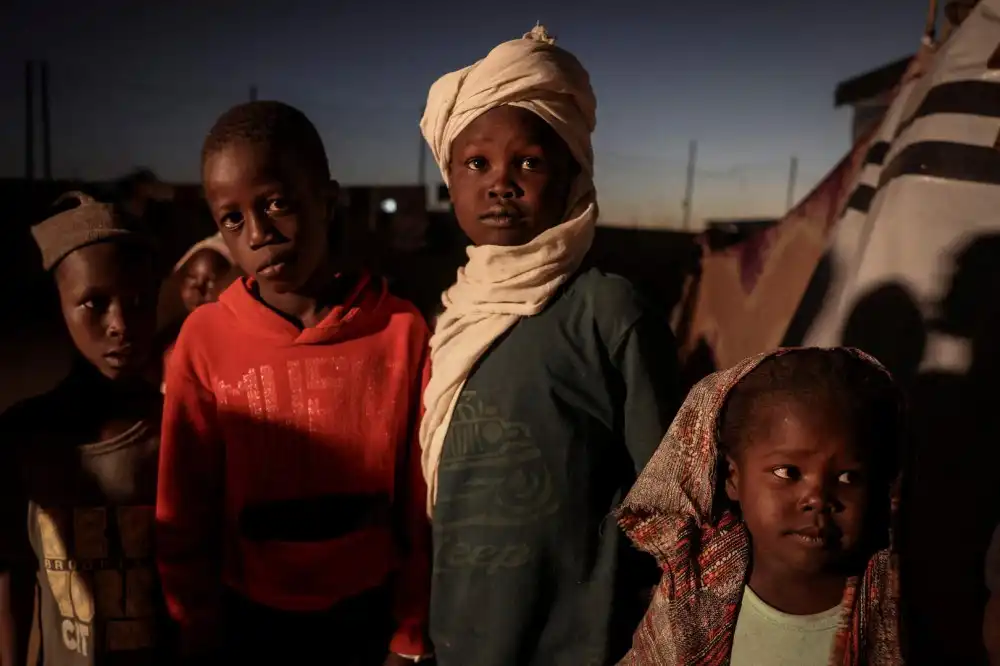
South Sudan has taught the world that resilience is deeply human over the past 15 years. It lives in women who rebuild households for their young children after every flood, in communities that continue sharing scarce resources, and in local leaders who continue mediating peace under impossible circumstances. However, resilience should never become a justification for asking people to endure endless crises. The international community must act now to ensure the people's dignified survival.
The country's resolve remains unbroken, despite being a fragile nation. Oxfam South Sudan country director Shabnam Baloch has highlighted the need for immediate action to address the crisis. The situation in South Sudan may seem distant to some, but the forces driving the climate emergency are global. Leaders have a role to play in addressing the crisis, and it is essential that they match the resilience of the people with the resources, political will, and climate action needed.
The humanitarian crisis in South Sudan requires immediate attention and action from the international community. The country's people are facing unprecedented challenges, and it is essential that they receive the support they need to survive. The situation is a stark reminder of the need for global action to address climate change and its impacts on vulnerable communities.
Key points
- El Niño is expected to exacerbate the humanitarian crisis in South Sudan, with 7.8 million people facing extreme hunger.
- The country's healthcare system is struggling to cope with the crisis, with less than half of the population having access to primary healthcare.
- The international community must act now to ensure the people's dignified survival, matching the resilience of the people with the resources, political will, and climate action needed.