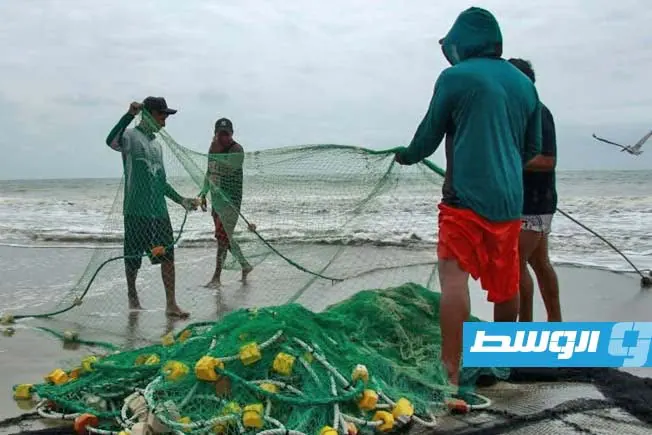
Fishermen along the Pacific coast of Latin America are experiencing a severe economic crisis due to record-high ocean temperatures caused by El Niño and climate change. The warmer waters have led to the migration of key fish species, such as anchovies, tuna, and mackerel, to deeper and cooler waters, away from the coastlines. This has resulted in reduced catches and revenues for artisanal fishermen.
The effects of the crisis are being felt from Ecuador to Panama, with fishermen forced to travel longer distances and spend more days at sea, incurring higher fuel and ice costs. However, their earnings are often insufficient to cover expenses. In some cases, fishermen have abandoned their livelihoods and turned to alternative professions, such as construction. Many have expressed concerns that government support favors large companies, leaving the artisanal sector neglected.
According to data from the European Copernicus Observatory, August saw an unprecedented average ocean temperature of 21.07°C. This has had a ripple effect on local and regional markets. In Ecuador, the prices of fish like sea bass and swordfish have doubled due to limited supply. Panama has also experienced shortages, impacting commercial and service activities, such as restaurants and market stalls in ports.
The crisis has led to significant economic hardship for artisanal fishermen and their communities. In Peru and Panama, many fishermen have been forced to seek alternative livelihoods due to the decline in fish stocks and profitability. The situation has also affected the livelihoods of those employed in related industries, such as fish processing and marketing.
The impact of El Niño and rising ocean temperatures on artisanal fishing in Latin America has significant implications for food security and sustainable livelihoods. The sector is a vital source of income and nutrition for many coastal communities. Efforts are needed to support artisanal fishermen and promote sustainable fishing practices in the face of climate change.
Governments and international organizations are being urged to provide support to artisanal fishermen and address the root causes of the crisis. This includes investing in climate-resilient fishing practices, providing financial assistance, and promoting sustainable seafood trade. The situation highlights the need for a coordinated response to address the impacts of climate change on vulnerable communities.
The effects of El Niño and rising ocean temperatures on artisanal fishing in Latin America are a stark reminder of the far-reaching consequences of climate change. The crisis underscores the need for urgent action to mitigate the impacts of climate change and promote sustainable development. KEY_POINT: El Niño and rising ocean temperatures have led to a severe economic crisis for artisanal fishermen in Latin America.
Key points
- The crisis has significant implications for food security and sustainable livelihoods in coastal communities.
- Governments and international organizations are being urged to provide support to artisanal fishermen and address the root causes of the crisis.