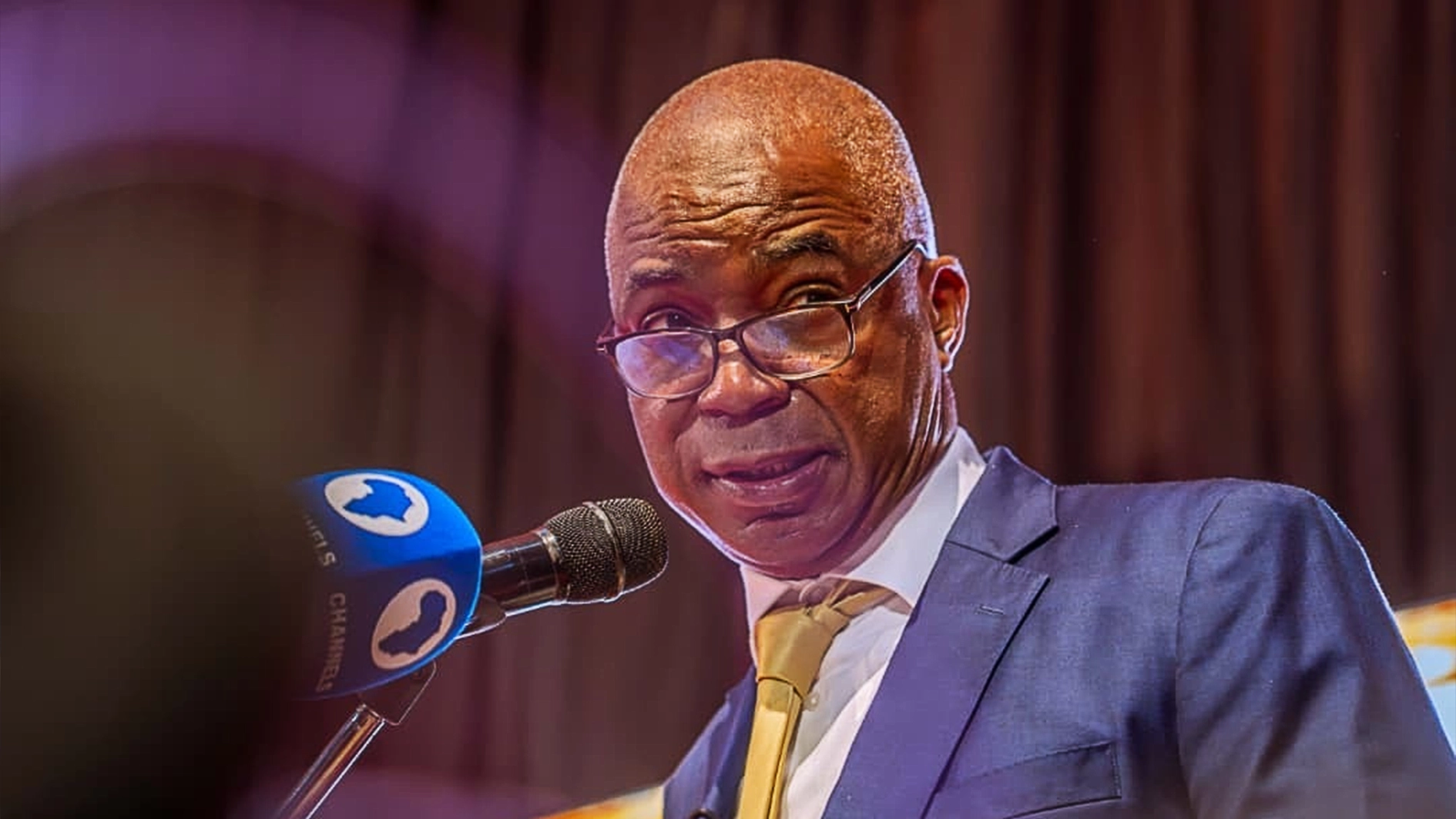
The Chancellor of Ekiti State University (EKSU), Dr. Tunji Olowolafe, has emphasized the need for Ekiti State to translate its strong academic and knowledge base into sustainable wealth creation and economic prosperity. He made this call while delivering the lead paper at the Ekiti at 30 Future Summit in Ado Ekiti. Olowolafe stressed that the state must take decisive actions to provide reliable power, practical vocational skills, and direct connections to industrial supply chains and global markets to secure a brighter future.
Olowolafe acknowledged the contributions of past governors, leaders, and stakeholders to the development of Ekiti State over the past three decades, particularly in the education sector. However, he noted that the future of the state would increasingly depend on its ability to harness emerging technologies such as artificial intelligence, robotics, biotechnology, automation, and new energy systems. These technologies are rapidly transforming how humanity learns, works, produces, and trades.
The Medical Doctor-Turned-Industrialist highlighted the importance of digital advancement in translating education into wealth. He cited the Ekiti Knowledge Zone as a major technology-driven initiative capable of connecting the state to the global economy. Once complete, the Ekiti Knowledge Zone will provide a platform for young people to build technology ventures without leaving Ekiti, serving clients globally, and bringing income back to the state.
Olowolafe proposed the introduction of functional energy support across the 177 wards in the state to strengthen schools, healthcare facilities, and businesses while stimulating industrial development. He suggested an immediate, ward-by-ward technical audit to establish local micro-grids powered by renewable energy in each ward. These projects are bankable and within the state’s execution capacity, and support from the Rural Electrification Agency (REA) will accelerate this effort.
The EKSU Chancellor also identified the need to expand the state’s technical education capacity. He noted that the six technical colleges already established by the state would not be sufficient to meet the growing demand for technical education among young people across the 16 local government areas. Olowolafe called for the expansion of these institutions, modernization of their curricula, and the importation of technical expertise from countries with advanced vocational education systems.
Olowolafe advocated for greater engagement between government and the people in identifying and addressing priority needs. He cited the establishment of the Gbemisola Olowolafe Memorial Community Secondary School in his hometown of Are-Ekiti as an example of what could be achieved through effective stakeholder engagement. The ambition is to develop the school into a world-class institution offering education grounded in science, technology, languages, arts, and sports.
The renowned entrepreneur and Chairman of the Tunji Olowolafe Foundation pledged to partner with the state government to establish upgraded, modern, and solar-powered ICT centers in the six government technical colleges in the state. He also promised to bring foreign expertise into vocational training and leverage partnerships with international mining schools to develop the Geology Department of EKSU into a world-class institution within five years.
Key points
- Dr. Tunji Olowolafe calls for Ekiti State to convert its strong academic base into sustainable wealth creation and economic prosperity.
- The EKSU Chancellor proposes the introduction of functional energy support across the 177 wards in the state to stimulate industrial development.
- Olowolafe pledges to partner with the state government to establish modern ICT centers in technical colleges and develop the Geology Department of EKSU.