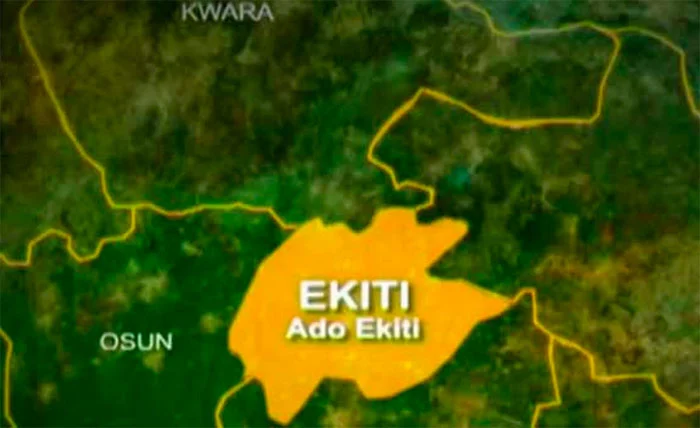
Ekiti State is set to celebrate 30 years of statehood on October 1, 2026. The state was created on October 1, 1996, under the federal military government of General Sani Abacha. This milestone marks three decades of aspirations, sacrifices, challenges, achievements, and resilience of the Ekiti people. The Diamond Club '99 of Ekiti State has felicitated with the people of Ekiti, congratulating them on this remarkable achievement.
The creation of Ekiti State was a result of the determination of generations of Ekiti sons and daughters who believed in the Ekiti project. The Chairman of the Committee for the Creation of Ekiti State, Chief Deji Fasuan, played a central role in the struggle for state creation. His leadership, intellectual depth, administrative experience, and perseverance were instrumental in making the dream of Ekiti State a reality. The Ekiti State Government has continued to recognize his historic role in the creation of the state.
Several notable individuals have been honored for their contributions to the creation and development of Ekiti State. These include Aare Afe Babalola, SAN, Evangelist Bamidele Olumilua, Professor Sam Aluko, and Chief Bode Olowoporoku. The traditional rulers who participated in the diplomacy that strengthened the demand for an Ekiti State have also been recognized. The state government has acknowledged the contribution of the traditional institution and the Committee for the Creation of Ekiti State to the struggle.
Ekiti State has had several administrators and governors who have contributed to its development. Colonel Mohammed Bawa, the first Administrator of Ekiti State, laid the foundation of the new state at a very difficult period. Navy Captain Atanda Yusuf succeeded Mohammed Bawa and administered the state during the transition period leading to the return to democratic government in 1999. Otunba Niyi Adebayo, the first democratically elected Governor of Ekiti State, served from 1999 to 2003.
Other notable governors who have contributed to Ekiti's development include Chief Ayodele Fayose, Chief Segun Oni, Dr John Fayemi, and Governor Biodun Oyebanji. Chief Ayodele Fayose served as Governor from 2003 to 2006 and returned for a second term from 2014 to 2018. His administration contributed to the state's development, particularly through programs and policies directed toward grassroots engagement and the welfare of ordinary citizens. Governor Biodun Oyebanji's administration has emphasized continuity, infrastructure, agriculture, education, healthcare, youth empowerment, and economic development.
Governor Biodun Oyebanji has a unique place in Ekiti's history, having served as Secretary of the Committee for the Creation of Ekiti State under Chief Deji Fasuan. His administration has continued projects inherited from previous administrations, emphasizing the culture of continuity. The state government reports substantial investment in roads, rural development, agriculture, and youth employment, including initiatives encouraging thousands of young people into commercial agriculture.
As Ekiti State celebrates 30 years of existence, the people are reflecting on their journey and looking to the future. The state has earned a reputation as a Fountain of Knowledge, producing professors, academics, lawyers, doctors, engineers, economists, and administrators. The celebration is not just about the past but also about the future, with the present generation encouraged to build on the foundation laid by those who came before them.
Key points
- Ekiti State was created on October 1, 1996, under the federal military government of General Sani Abacha.
- The state has had several notable administrators and governors who have contributed to its development.
- The present administration of Governor Biodun Oyebanji has emphasized continuity, infrastructure, agriculture, education, healthcare, youth empowerment, and economic development.