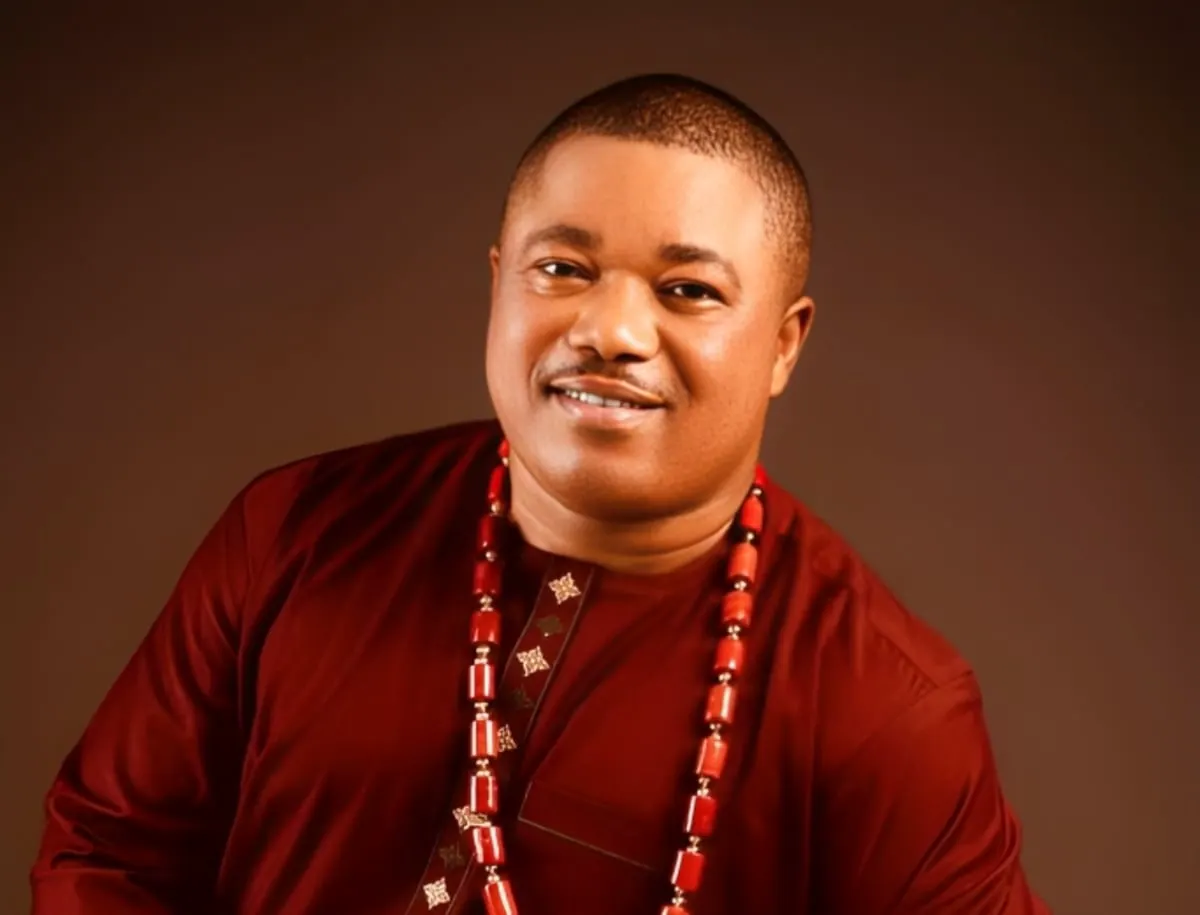
Human rights lawyer and lead counsel to the Indigenous People of Biafra (IPOB), Sir Ifeanyi Ejiofor, has evaluated the speeches delivered by United States President Donald Trump and Israeli Prime Minister Benjamin Netanyahu at the 81st Session of the United Nations General Assembly (UNGA). In a statement, Ejiofor examined the major themes arising from the speeches and Nigeria's absence from the gathering.
According to Ejiofor, President Trump's address emphasized national sovereignty, reform of international institutions, and the use of economic and military power in advancing national interests. He argued against the emergence of a system of global government, taxation, and international institutions that could override national sovereignty. Trump also called for reforms at the United Nations, including reductions in bureaucracy and what he described as waste and unelected global interference.
Ejiofor noted that Trump's address was centred on national sovereignty, institutional accountability, and the continued use of American economic and military influence. Trump defended US military action against Iran, called on Tehran to abandon its nuclear ambitions and support for terrorism, while leaving open the possibility of a negotiated settlement. He also opposed what he considered excessive international regulation of artificial intelligence, stressing the importance of maintaining America's technological advantage.
The atmosphere at the General Assembly reportedly became more contentious during Netanyahu's address, as several delegations walked out when the Israeli leader began speaking. Netanyahu defended Israel's military actions against Iran and its broader security policies. He maintained that Iran remained a major security threat to Israel and argued that Israel's actions were necessary to protect itself and address regional threats.
Netanyahu invoked the 7 October 2023 Hamas attack on Israel, including the deaths of Israeli civilians and the hostage crisis, as central to Israel's security position. He rejected allegations that Israel's conduct amounted to genocide and argued that Hamas operated from civilian areas. Netanyahu also criticised governments and protesters who condemned Israel while, in his account, overlooking threats posed by Iran and Hamas, as well as the persecution of Jews and Christians.
Reflecting on the speeches, Ejiofor argued that the 2026 UN General Assembly demonstrated the continuing importance of sovereignty, national security, economic strength, military capability, diplomacy, and national interest in international affairs. Although the United Nations provides a platform for global diplomacy, participating countries continue to approach international affairs through the prism of their respective national interests.
The commentary also drew attention to President Bola Ahmed Tinubu's absence from the 81st UN General Assembly. Ejiofor noted that Nigerians who had been wondering why the President did not attend the gathering, and why he had not visited the United States since assuming office, should not interpret his absence as an indication that the President was missing. Ejiofor stated that Tinubu was in France on annual leave and that the leave had reportedly been extended by several days.
Key points
- Sir Ifeanyi Ejiofor evaluates speeches by Trump, Netanyahu at UNGA81
- Ejiofor questions President Bola Ahmed Tinubu's absence from UNGA81
- The 81st UN General Assembly highlights the importance of sovereignty and national interest in international affairs