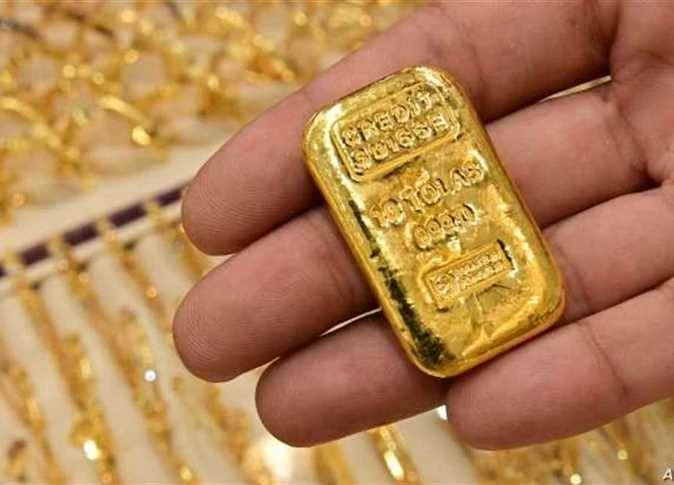
Egypt has seen a significant shift in its gold market, with consumers increasingly opting for gold bars and coins over jewelry. According to the World Gold Council, demand for gold jewelry in Egypt dropped to 4.9 tons in the second quarter of 2026, a 14% decrease from the same period in 2025. This decline is attributed to economic pressures, including high inflation rates and fluctuations in the Egyptian pound's exchange rate against the dollar.
The decline in jewelry demand is linked to the rising cost of purchasing gold, which has been exacerbated by global price increases and local exchange rate fluctuations. As a result, the cost of buying jewelry, which includes not only the raw gold value but also manufacturing costs and other expenses, has become more expensive. This has led consumers to reassess their purchasing decisions, with many opting for alternative forms of gold.
In contrast to the decline in jewelry demand, the demand for gold bars and coins has increased. During the second quarter of 2026, demand for these investment products rose by 6%, reaching 6.2 tons, up from 5.9 tons in the same quarter of 2025. This shift indicates that Egyptians are increasingly viewing gold as an investment opportunity, rather than solely for ornamental purposes.
The trend is further highlighted when examining the total gold demand in Egypt during the first half of 2026. The total demand for gold, including jewelry, bars, and coins, was approximately 22 tons. Of this, 11.9 tons were bars and coins, while 10.1 tons were jewelry. This data suggests that investment gold has become more popular than ornamental gold in Egypt.
According to the World Gold Council, Egyptians' purchases of gold bars and coins during the second quarter of 2026 exceeded the combined total of Saudi Arabia, the UAE, and Kuwait. This significant investment in gold bars and coins reflects a broader trend in which Egyptians are seeking to protect their wealth amid economic uncertainties.
The changing dynamics of the Egyptian gold market reflect a response to economic challenges. As consumers adapt to new realities, their preferences are shifting towards gold as a form of savings and investment, rather than just for decorative purposes. This change could have implications for the local gold market and for consumers' financial strategies.
Moving forward, it will be important to monitor how these trends evolve, particularly in response to any changes in economic conditions or gold prices. The shift towards investment gold highlights the resourcefulness of Egyptian consumers in seeking to safeguard their assets.
Key points
- Egyptians are increasingly buying gold bars and coins for investment purposes.
- Demand for gold jewelry in Egypt decreased by 14% in the second quarter of 2026.
- Gold bars and coins accounted for 11.9 tons of the 22 tons of gold demanded in Egypt during the first half of 2026.