Technical and Vocational Education and Training (TVET) institutions in Kenya are demanding representation in the governance of the proposed Tertiary Education Funding Authority (TEFA). The TEFA is contained in the Tertiary Education, Placement and Funding Bill, 2026, which is currently undergoing public participation. The Bill aims to restructure how universities, TVETs, and other tertiary institutions are financed. TVETs argue that their inclusion in the governance of TEFA is crucial to ensure that the authority understands their unique financial and operational needs.
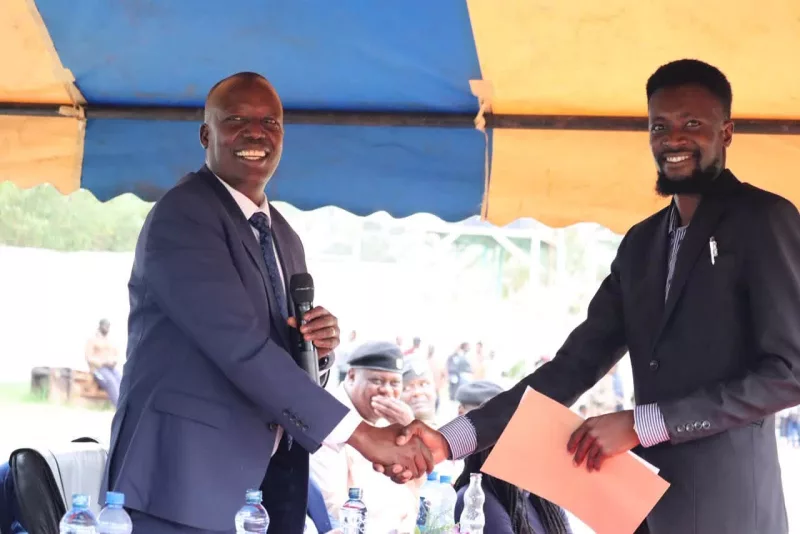
The demand for representation was made during a public participation exercise on the proposed Education Reform Bills at Ol'lessos Technical Training Institute in Nandi county. The management of Ol'lessos National Polytechnic urged Parliament to provide for TVET representation in the governance structure of TEFA, alongside increased funding to support institutions and their trainees. TVETs have been underfunded for a long time, and stakeholders argue that it is time this is addressed, as they play a critical role in equipping young people with technical and practical skills.
The proposed Tertiary Education and Funding Bill seeks to repeal the Helb Act and transfer its functions, assets, liabilities, and staff to TEFA. Stakeholders argue that while the proposed merger could streamline financing, governance must reflect the diversity of institutions that will depend on the authority. TVETs and tertiary colleges want to be involved in decision-making on student loans, scholarships, funding allocation, and other programs administered by TEFA.
Student leaders at Ol'lessos called for a fair and transparent funding system, affordable interest rates, flexible loan repayment terms, and timely disbursement of scholarships and loans. The public participation exercise was conducted by the National Assembly Education Committee, chaired by Tinderet MP Julius Melly. The committee received submissions from various stakeholders, including education officials, Boards of Management representatives, and members of the public.
The Kenya National Union of Teachers supported the retention of the comprehensive school model, while the Kenya Union of Post Primary Education Teachers called for distinct administrative and governance structures for different levels of education, including autonomous Junior Secondary Schools. Stakeholders also called for stronger investment in teacher development. The Centre for Mathematics, Science and Technology Education in Africa (Cemastea) urged Parliament to formally anchor its role in in-service teacher training in the Basic Education Bill.
Moi University proposed that the Kenya Education Management Institute transition into the Kenya School of Education within three years. On learner discipline, stakeholders advocated for stronger guidance and counselling as an alternative to corporal punishment. The committee will consider the concerns raised and incorporate relevant recommendations into its report.
The National Assembly Education Committee will review the submissions and incorporate them into its report. The proposed Tertiary Education and Funding Bill aims to ensure that tertiary institutions are adequately funded, and that students have access to affordable and flexible financing options. The Bill is expected to significantly impact the education sector in Kenya.
Key points
- TVET institutions demand representation in TEFA governance
- Proposed Tertiary Education and Funding Bill aims to restructure tertiary education financing
- Stakeholders call for increased funding and support for TVET institutions