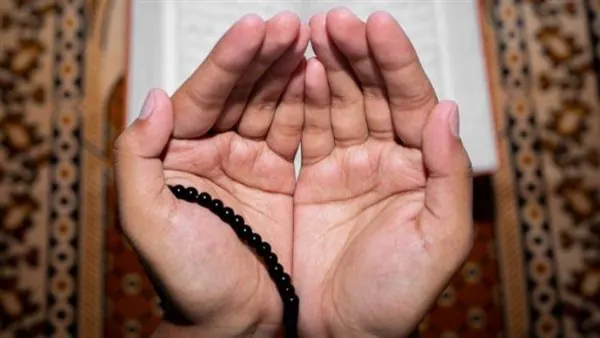
As the new academic year begins in Egypt, many individuals, particularly students, are turning to prayers and supplications to seek divine guidance for improved understanding and academic success. This practice is rooted in Islamic tradition, where Muslims believe that seeking guidance from Allah can facilitate their academic pursuits. Various prayers and supplications have been narrated in the Quran and Hadith, emphasizing the importance of seeking divine assistance.
One such prayer is the recitation of Ayat al-Kursi, which is highly recommended by the Prophet Muhammad (peace be upon him) to be recited in the morning. The verse reads: "Allah is the only deity, the eternal and unchanging. Neither slumber nor sleep overtakes Him. To Him belongs all that is in the heavens and all that is on the earth. Who is it that can intercede with Him except by His permission?" This prayer is believed to bring about a state of mental clarity and focus.
In addition to Ayat al-Kursi, various other prayers have been reported to be effective in improving understanding and memory. For instance, the prayer "O Allah, open to me the doors of Your wisdom, and spread Your mercy upon me" is a supplication that seeks divine guidance and assistance. Another prayer, "O Allah, I entrust to You my understanding, memory, and knowledge, bless me with it, and make it a witness for me on the Day of Judgment," reflects the individual's reliance on Allah.
Many Egyptians also turn to the Prophet Muhammad's (peace be upon him) teachings, which emphasize the importance of seeking knowledge and guidance. The Prophet's statement, "Let each of you choose the most beloved supplication to him, and then supplicate to Allah," encourages individuals to choose prayers that resonate with them. This approach has led to a diverse range of prayers being recited, each with its unique significance and benefits.
The use of specific prayers and supplications has become increasingly popular in Egypt, particularly among students and individuals seeking academic success. While some may view this practice as a means of seeking divine intervention, others see it as a way of cultivating a positive mindset and attitude towards learning. Regardless of perspective, the practice reflects the significance of faith and spirituality in everyday life.
According to Islamic scholars, there is no objection to reciting specific prayers and supplications, as long as they are derived from authentic sources. The Prophet Muhammad (peace be upon him) encouraged his followers to supplicate to Allah, using their own words and expressions. This flexibility has led to the development of a rich tradition of prayer and supplication in Islam.
As the academic year progresses in Egypt, individuals will continue to seek divine guidance and assistance through prayers and supplications. While the effectiveness of these prayers may vary, their significance lies in the spiritual and emotional support they provide to those seeking academic success. By turning to Allah and seeking His guidance, individuals in Egypt and beyond are reminded of the importance of faith and spirituality in everyday life.